
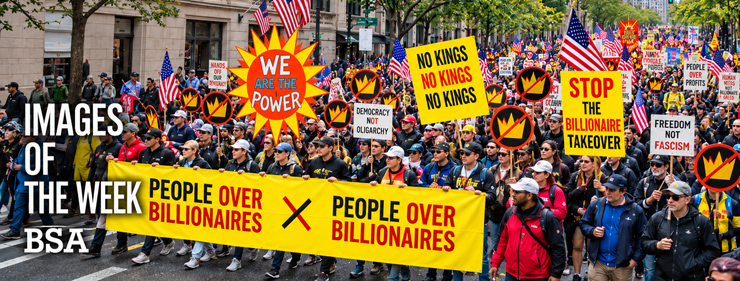
The streets of New York City became a canvas for political expression this past weekend, as hundreds of thousands of demonstrators flooded the metropolitan landscape for the "No Kings" march. This massive mobilization, which spanned from the iconic reaches of Columbus Circle to the dense corridors of Times Square and deep into the outer boroughs, transformed the city into a theater of public discourse. While the event functioned as a traditional protest, the visual language employed—hand-lettered placards, spray-painted banners, and spontaneous installations—blurred the lines between civic activism and public art, creating a temporary, visceral gallery that captured the anxieties and aspirations of the electorate just weeks before the pivotal mid-term elections.
A Landscape of Dissent and Creative Expression
The scale of the "No Kings" march was significant by any metric. While official law enforcement estimates from the New York City Police Department (NYPD) placed the attendance in the tens of thousands, organizers reported figures as high as 350,000, suggesting a level of public engagement rarely seen outside of major national emergencies or historic celebrations. The atmosphere was described by observers as a complex synthesis of "swing, swagger, rage, and humor," reflecting the diverse demographic makeup of the city.

The aesthetic of the march was heavily influenced by the tradition of street art, with participants utilizing stencils, bold typography, and mural-style imagery to convey their messages. The slogan "Regime change begins at home" appeared repeatedly, acting as the visual centerpiece of the movement. This phrase, strategically timed for the approaching mid-terms, served as a rallying cry that sought to bridge the gap between national political trends and localized urban advocacy.
The Intersection of Street Art and Political Mobilization
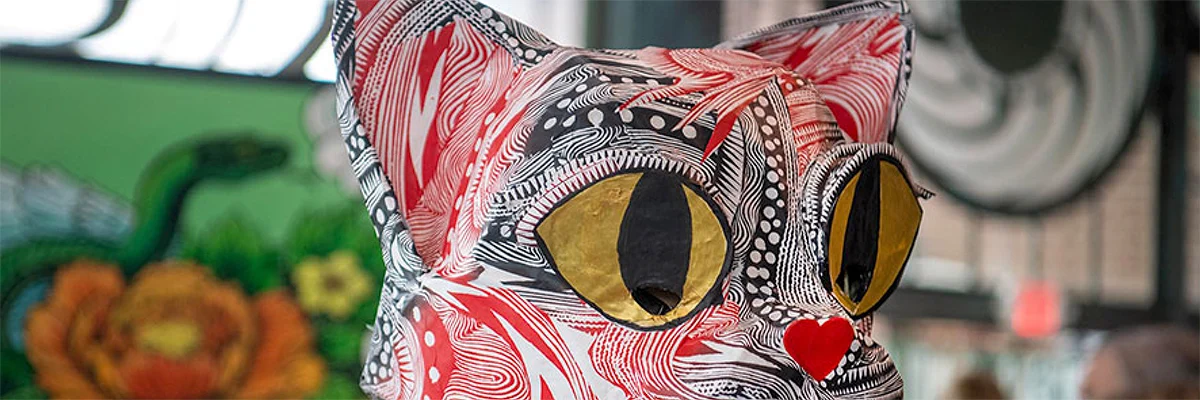
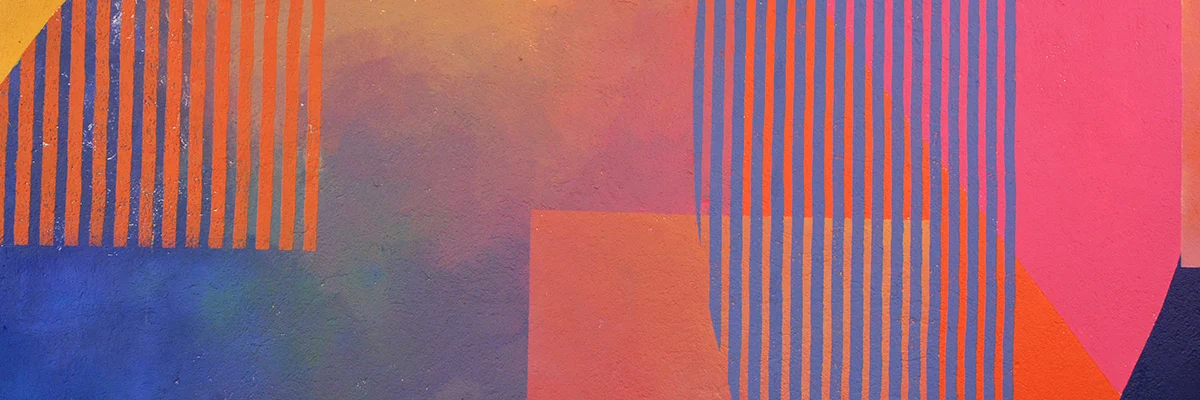
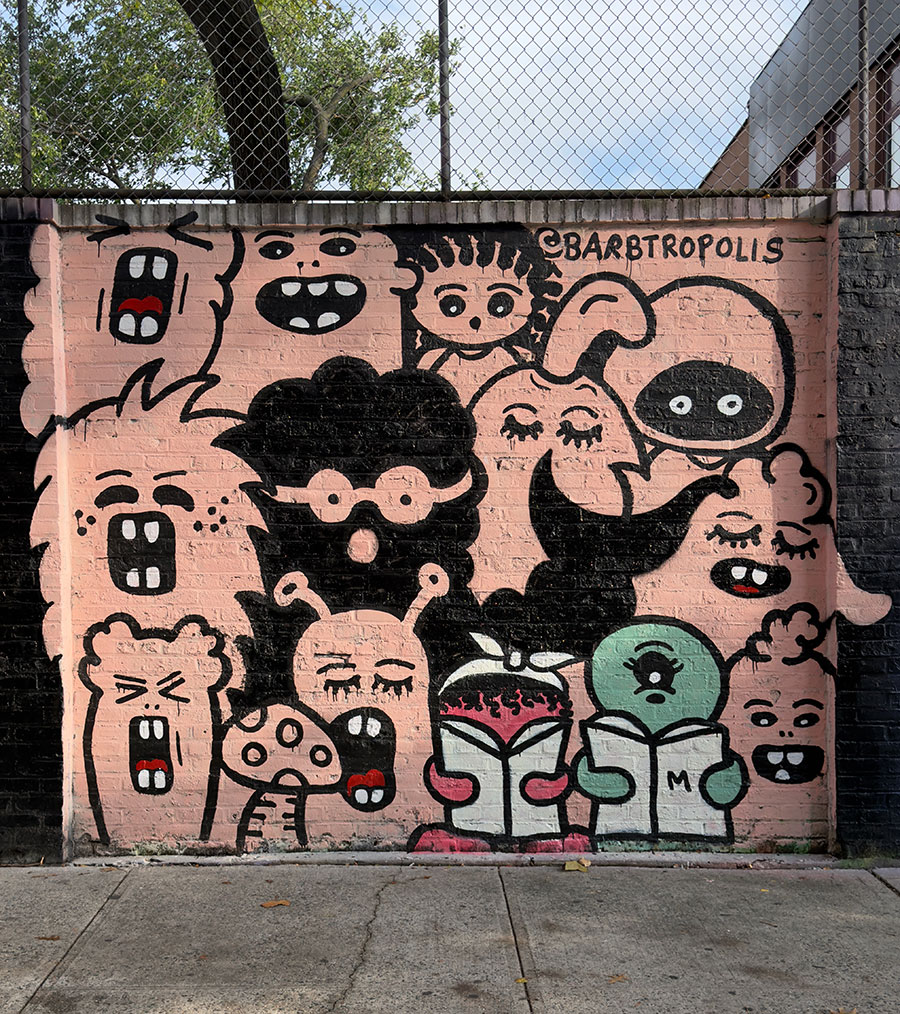
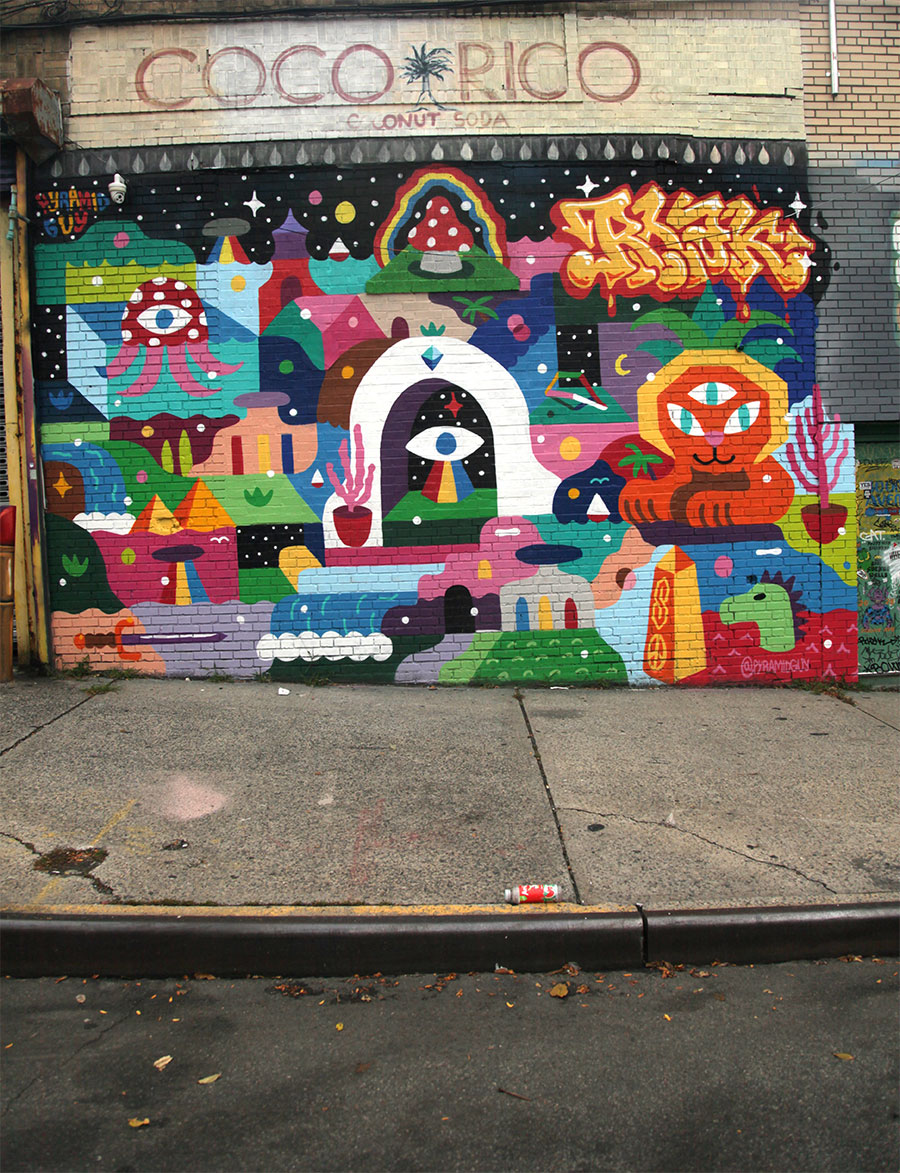
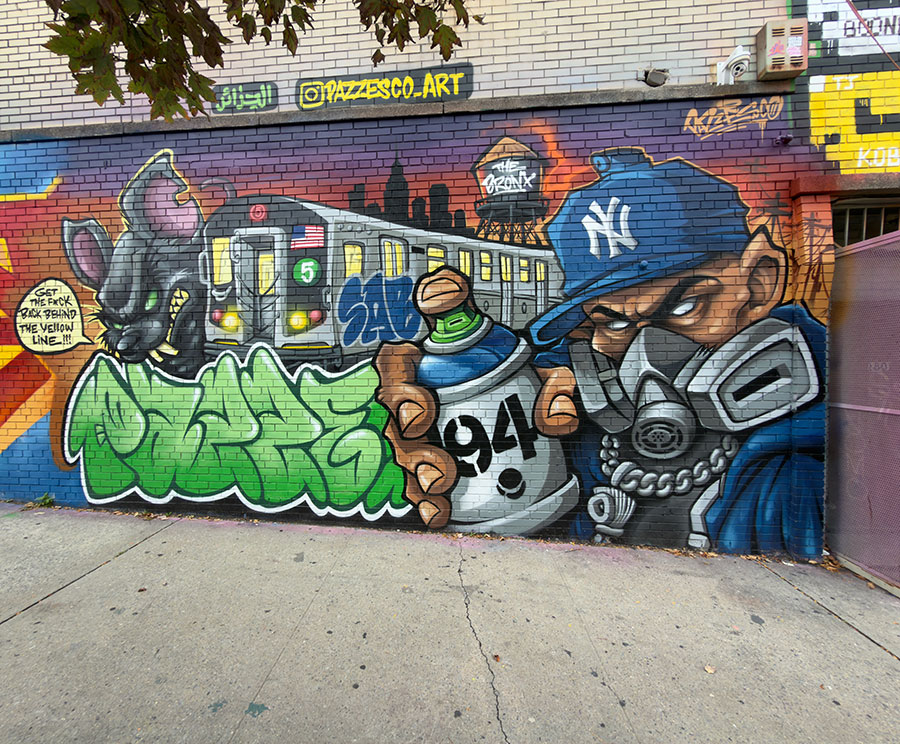
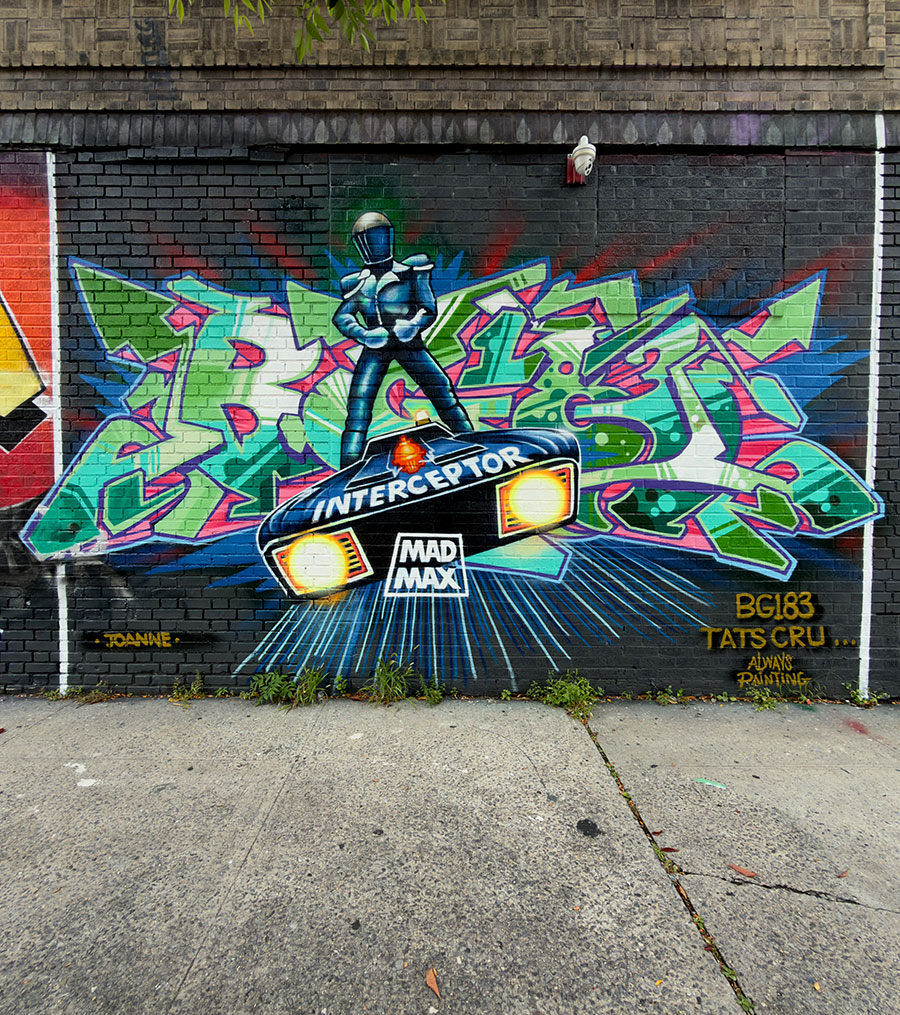
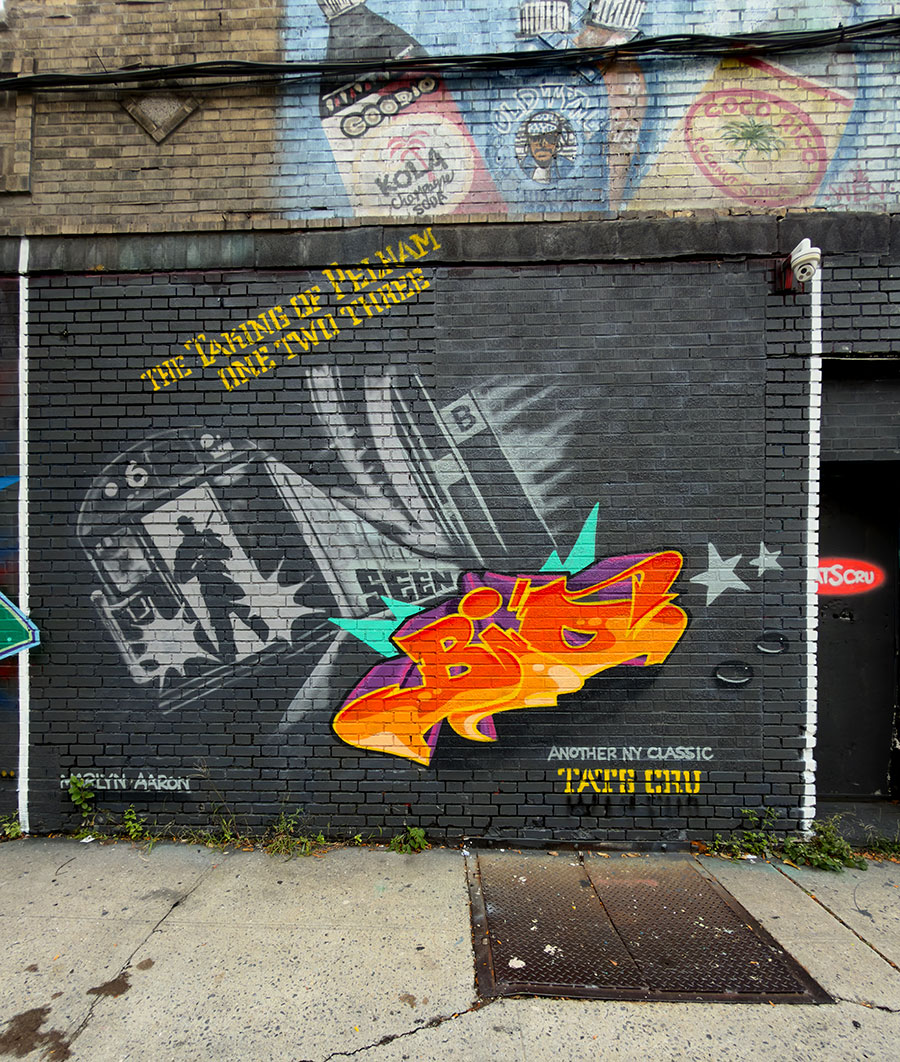
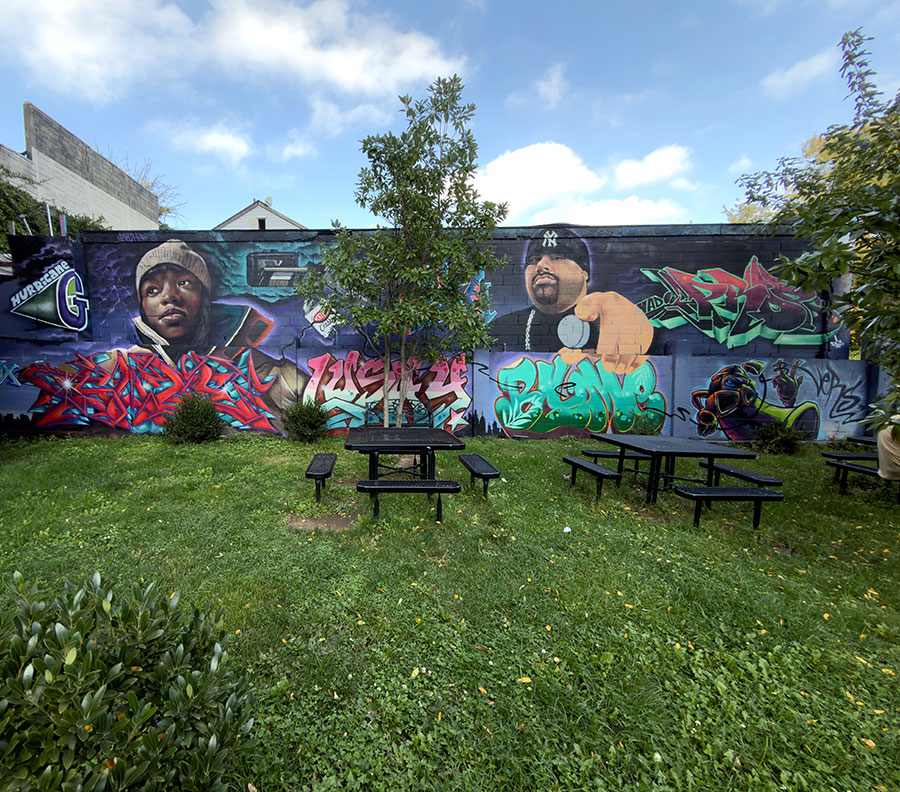
The recent influx of artistic activity on New York streets extends beyond the protest signs. A robust cohort of local and international artists has contributed to a new wave of public works, particularly at the Boone Avenue Walls in the Bronx. This site has emerged as a focal point for contemporary muralism, hosting works by AESOP One, Albertus Joseph, Barb Tropolis, BG 183 (Tats Cru), Bio (Tats Cru), BLUME, Call her Al, CRKSHNK, Danie, Kam S. Art, KENOS, Kobra, Miss Lushy, Pazzesco Art, Phetus88, Pyramid Guy, Sebi Sketch, SHUX, SOZE527, Sue Works, The Butchers Cru, and Vers.
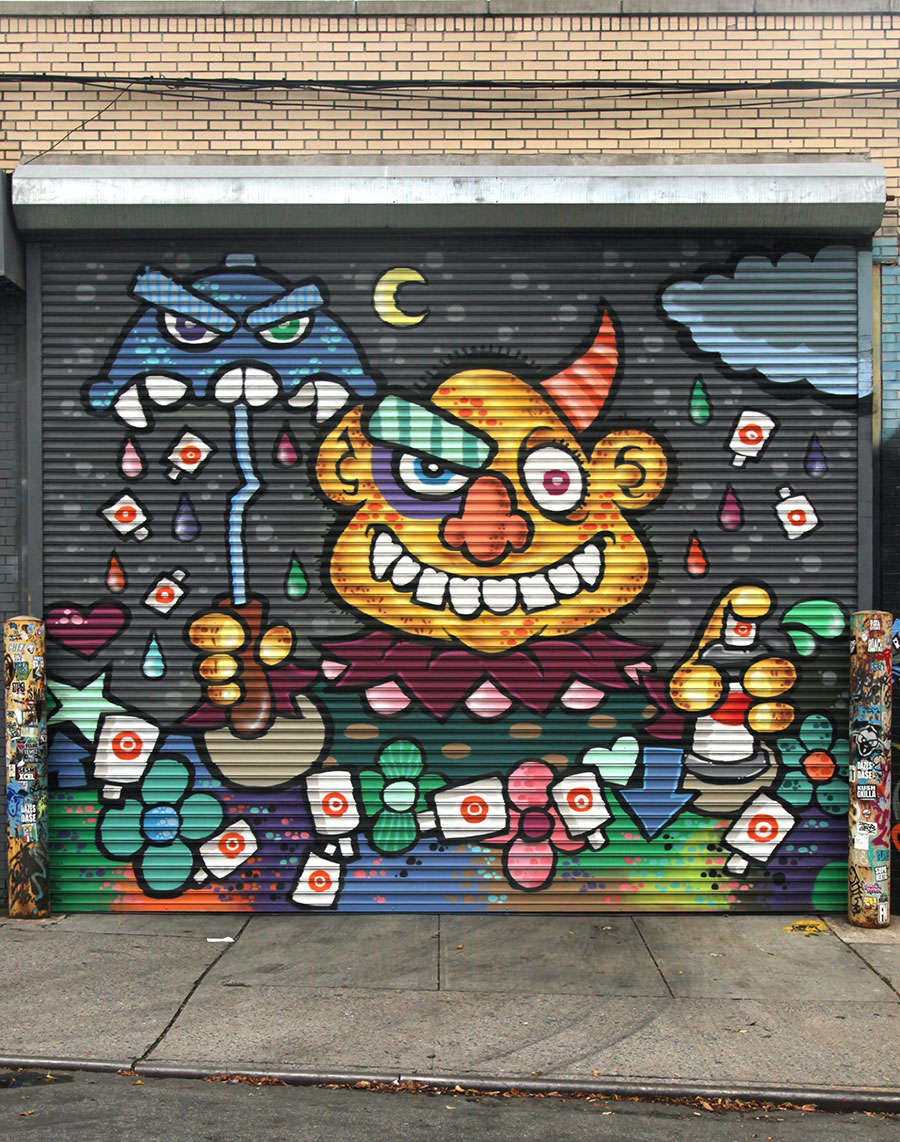
The works produced by these artists in mid-October 2026 serve as a static counterpoint to the kinetic energy of the marches. Where the protest was fleeting and immediate, the murals at Boone Avenue represent a sustained dialogue regarding the city’s cultural identity. Kobra’s contribution, in particular, continues his signature style of vibrant, geometric portraiture, providing a visual landmark that draws residents and visitors alike. The participation of collectives like the legendary TATS CRU underscores the enduring relevance of Bronx-based graffiti culture in the broader context of American public art.
Chronology of Recent Urban Transformations
The current state of public expression in New York follows a specific trajectory of development throughout the fall of 2026. The month began with a series of community-led mural projects, followed by the rapid escalation of political tension as the mid-term election cycle entered its final, high-stakes phase.

- Early October 2026: Initial planning for the "No Kings" march began to coalesce on social media platforms, with local artist groups signaling support for the movement.
- Mid-October 2026: Large-scale mural projects at the Boone Avenue Walls were completed, effectively turning the location into an outdoor museum of modern dissent and artistic pride.
- October 17, 2026: The day of the "No Kings" march. The city experienced a surge in public activity, characterized by a fusion of street art aesthetics and political demonstration.
- October 18, 2026: Following the protests, photographic documentation by contributors like Jaime Rojo captured the intersection of the city’s built environment and the aftermath of the weekend’s events.
Data and Sociopolitical Implications
The surge in both protest turnout and street art production provides a lens through which to view current voter sentiment. Political analysts note that the high level of civic participation in New York often serves as a bellwether for national engagement levels. The focus on "regime change" and the specific rhetoric of the "No Kings" movement suggests a profound dissatisfaction with existing institutional power structures.
From a sociological perspective, the use of visual art as a primary medium for political communication in 2026 is a significant evolution. By reclaiming public spaces—whether through marches or murals—citizens are engaging in a form of "place-making." They are not merely occupying space; they are defining the values of that space. The murals in the Bronx act as a permanent record of this period, while the posters and signs seen in Times Square act as the temporal, burning edge of the movement.

Official Responses and Public Safety
Municipal authorities managed the large-scale gatherings with a mix of surveillance and traffic management. While the massive turnout necessitated significant road closures and a heightened police presence, the events remained largely peaceful. The NYPD’s role in tracking the event’s scope reflects the city’s ongoing effort to balance the constitutional right to assembly with the logistical challenges of managing a dense urban environment.

City officials have yet to issue a formal statement regarding the specific impact of the "No Kings" march on the upcoming elections, but the visible turnout has forced a shift in the campaign strategies of candidates across the five boroughs. The ubiquity of the art and the message has made it impossible for political actors to ignore the grievances being aired in the streets.
The Role of Public Space in Modern Democracy
The "BSA Images of the Week" series, which documents this current phenomenon, serves as an essential archive of New York’s visual evolution. By highlighting the work of artists like CRKSHNK and the TATS CRU alongside the documentation of mass protests, the archive creates a holistic view of the city’s pulse.
The integration of street art into the political narrative is not a new concept, but in 2026, it has reached a level of sophistication and saturation that is arguably unprecedented. The murals are not merely decorative; they are intentional, often highly political, and deeply embedded in the history of the neighborhoods that host them. As the country approaches the mid-term elections, the role of these public works as catalysts for conversation will likely grow.
Looking Ahead
As the election date draws closer, the visual landscape of New York City is expected to continue shifting. The murals at Boone Avenue and other sites will likely remain as markers of this specific moment in history, offering a visual testament to the demands of the populace. Whether the intensity of the "No Kings" movement results in concrete electoral shifts remains to be seen, but the impact of the aesthetic movement—the colors, the lines, and the raw, hand-painted slogans—is already cemented in the city’s collective memory.

The confluence of organized political protest and the decentralized, spontaneous nature of street art suggests that the city is currently in a state of high creative and civic output. For observers and residents alike, the coming weeks represent a critical period where the art on the walls and the voices in the streets will finally be measured against the outcome of the ballot box. New York continues to prove that its streets are not just pathways for transit, but are, and always have been, the most vital and honest stage for the American democratic experiment. Through the lens of the artists and the persistence of the protesters, the message is clear: the city is watching, the city is speaking, and the city is ready for change.