For more than six decades, The Beach Boys have occupied a foundational space in the landscape of American popular music. Defining an entire era of sunshine, surf culture, and complex vocal harmonies, the group forged a timeless catalog of hits that continue to resonate across generations. From chart-topping anthems like “Surfin’ U.S.A.” and “California Girls” to groundbreaking artistic achievements like “Good Vibrations” and “Kokomo,” the band’s cultural footprint remains indelible. However, the enduring legacy of the legendary group has recently been overshadowed by pressing concerns regarding the health and well-being of co-founder and longtime frontman Mike Love, following a distressing on-stage incident that prompted widespread public concern.
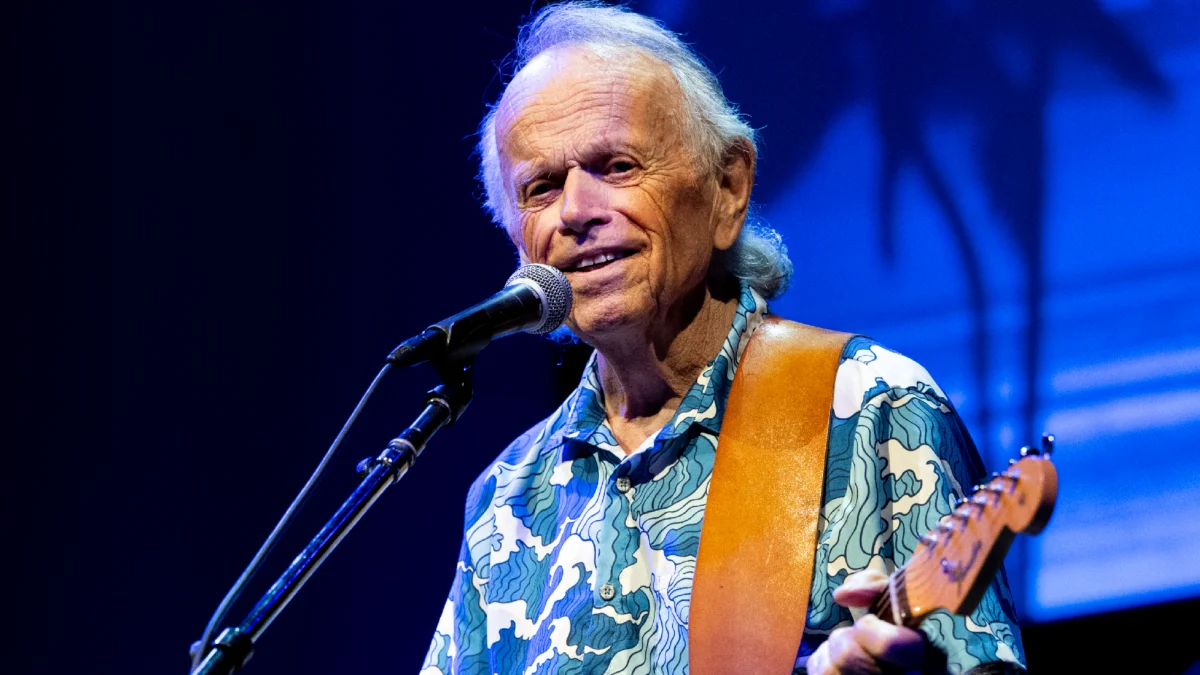
The situation has not only brought the band’s touring future into sharp focus but has also prompted rare, candid reflections from founding member Al Jardine. In a recent interview with Rolling Stone, Jardine addressed the stark reality of Love’s physical condition, the complex history of their relationship, and whether the iconic moniker of The Beach Boys can outlive its current touring iteration. Jardine’s comments provide a rare window into the internal dynamics of one of rock and roll’s most enduring, yet famously fractured, institutions.
An Alarming On-Stage Incident and Immediate Reactions
The catalyst for the current wave of concern occurred when Mike Love appeared visibly unresponsive during a live performance, sparking immediate alarm among concertgoers and fans monitoring the tour online. The unsettling optics of the performance quickly circulated across social media and music news outlets, raising urgent questions regarding the singer’s health and his ability to safely sustain a demanding touring schedule.
For Al Jardine, watching his longtime musical partner struggle on stage was a deeply affecting experience. Speaking with Rolling Stone, Jardine did not mince words about the emotional toll the incident took on him. He admitted that witnessing Love’s condition was both "shocking" and "depressed," noting that he had to actively pull himself together mentally just to walk out and perform his own set that same evening.
Despite their historical differences, Jardine’s reaction was rooted in genuine human concern rather than professional rivalry. Describing the visual impact of the moment as "awful," Jardine confessed that he was left momentarily speechless by the ordeal, while still acknowledging Love’s lifelong dedication to his craft and his status as a consummate professional.
The Drive to Perform: A Lifelong Vocation or a Trap?
A central theme of Jardine’s commentary was the relentless nature of the touring lifestyle and Love’s apparent inability to step away from the stage. Having spent the vast majority of their lives performing for audiences worldwide, members of legacy acts often face a difficult psychological transition when physical limitations finally catch up with them.
According to Jardine, the pressure forcing Love to continue performing is entirely self-imposed. "He wants to be on stage, but he just doesn’t know how not to do it," Jardine explained. Suggesting that performing has become the sole identity Love knows, Jardine offered a poignant assessment of his peer’s predicament: "He doesn’t know what else to do, so I think he’s trapped."
This relentless drive has frequently collided with the harsh realities of aging in the music industry. The physical demands of travel, late nights, and continuous vocal delivery take a heavy toll on legacy artists. In the wake of Love’s recent health struggles, management was forced to postpone the remaining dates of their scheduled summer tour, bringing the issue of artist health and safety to the forefront of the music community’s collective consciousness. Jardine’s professional and personal advice to his longtime colleague was simple and unequivocal: "I think he needs to repair himself."
A Complex History: From Harmony to Legal and Creative Fractures
To fully understand the weight of Jardine’s recent statements, one must examine the intricate and often turbulent history shared by the members of The Beach Boys. Formed in Hawthorne, California, in 1961 by brothers Brian, Dennis, and Carl Wilson, along with their cousin Mike Love and friend Al Jardine, the band achieved unprecedented commercial success under the creative guidance of the late Brian Wilson.
However, behind the lush harmonies and idyllic lyrical themes of endless summers lay decades of internal friction, artistic disagreements, and legal battles. Throughout the 1980s, 1990s, and beyond, disputes over songwriting credits, financial compensation, and the commercial rights to the band’s name frequently strained relationships within the camp.
One of the most notable public fractures occurred during the 1990s, when Jardine and Love experienced a significant falling out regarding the legal utilization and ownership of The Beach Boys name. This dispute ultimately led Jardine to chart a different course for his own musical endeavors, touring and recording under the banner of the Pet Sounds Band—a nod to the critically acclaimed 1966 masterpiece engineered by Brian Wilson. Meanwhile, Mike Love retained legal licensing rights to tour under the official moniker of The Beach Boys, maintaining a classic-style lineup that performed for decades across international venues.
Despite these historical divisions and divergent career paths, the passage of time and the shared weight of their collective legacy have occasionally bridged the gaps between the surviving members, making Jardine’s current expressions of empathy all the more significant.
The Resilience and Future of the Beach Boys Brand
As the music world speculates on whether Mike Love will return to the stage or opt for a well-deserved retirement, fundamental questions remain regarding the institutional future of The Beach Boys. Few musical entities possess a brand as universally recognized and culturally pervasive, bridging the gap between early 1960s surf rock and sophisticated baroque pop.
When asked whether the legendary group could survive the eventual departure or retirement of Love, Jardine expressed high confidence in the strength of the brand, while remaining uncertain about the practicalities of future live performances. "I think the brand will go on and on and on," Jardine remarked. "I don’t know about performing. Performance-wise, I haven’t a clue what would happen. We’ll find out."
Jardine’s perspective highlights a modern reality for classic rock acts: the music and the corporate-artistic brand often outlive the physical capacity of the original creators to execute them live. Whether through archival releases, tribute configurations like the Pet Sounds Band, or future institutional projects, the catalog of The Beach Boys has been permanently etched into the cultural canon of Western music.
Broader Implications for Legacy Touring Artists
The situation surrounding Mike Love and The Beach Boys serves as a broader case study for the aging demographic of classic rock performers currently dominating the live music market. As foundational artists from the 1960s and 1970s enter their eighth and ninth decades of life, the music industry faces an ongoing ethical and logistical challenge regarding tour longevity.
Promoters, managers, and fans are increasingly forced to grapple with the delicate balance between honoring an artist’s desire to perform and safeguarding their health. The postponement of legacy tours due to medical emergencies has become an increasingly frequent occurrence, prompting industry analysts to reevaluate the sustainability of grueling global tour itineraries for elderly performers.
In the case of The Beach Boys, the immediate priority—at least from Al Jardine’s perspective—transcends box office receipts and tour schedules. With health concerns taking absolute precedence, the focus has shifted toward personal recovery and preserving the dignity of artists who have given the world a lifetime of foundational music. Whether the curtain has fallen permanently on Mike Love’s time under the stage lights remains to be seen, but the enduring cultural resonance of the music he helped create is guaranteed to endure long after the final chord fades.