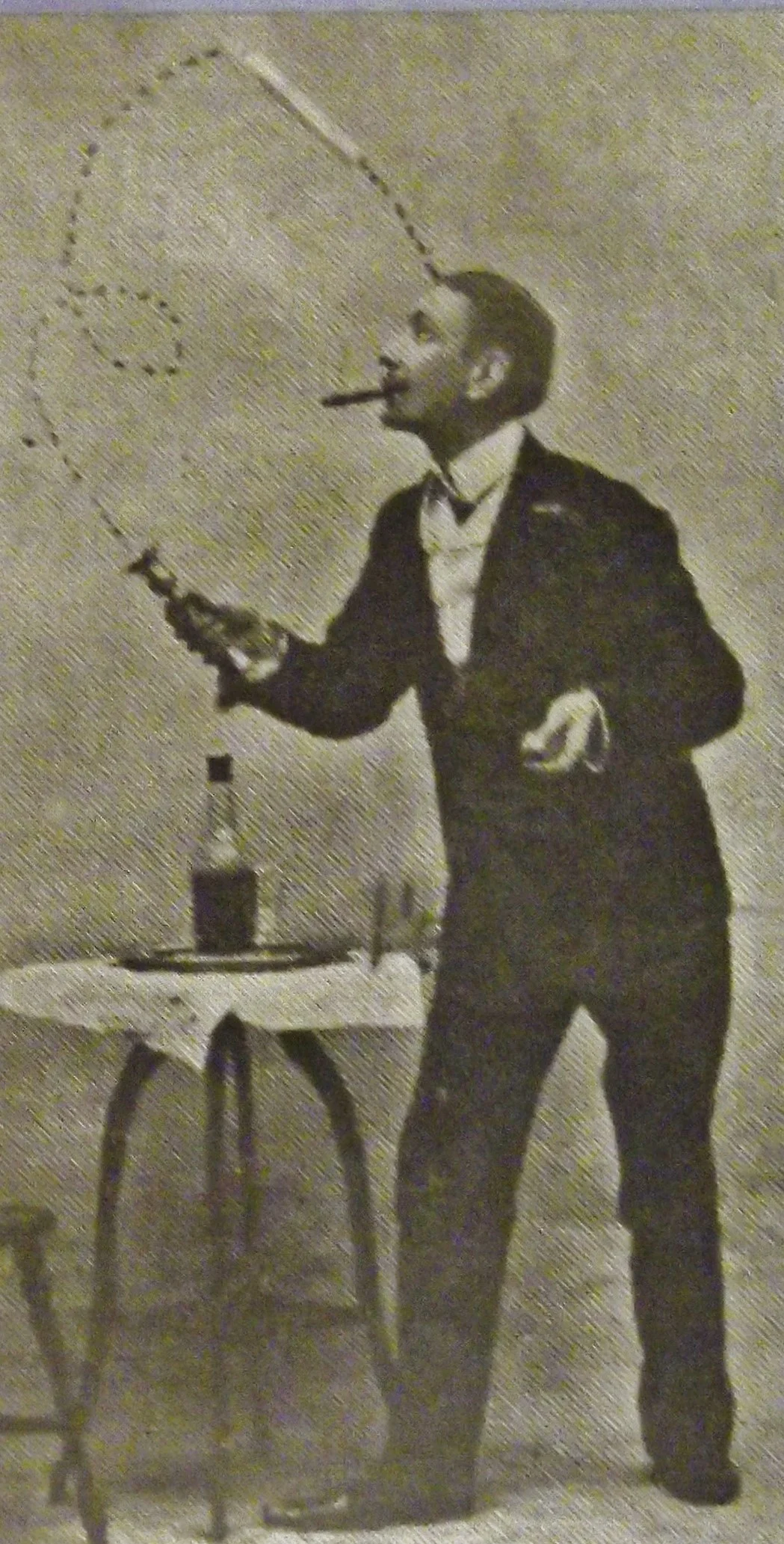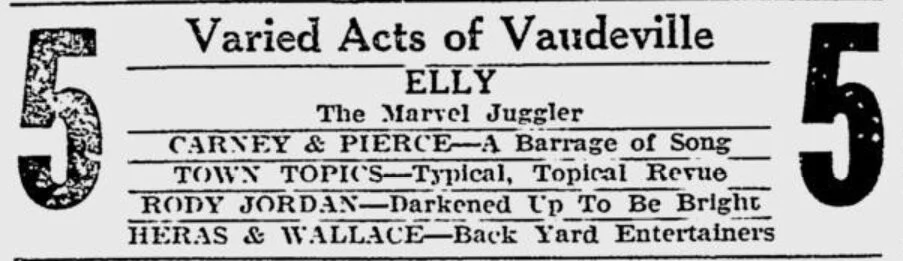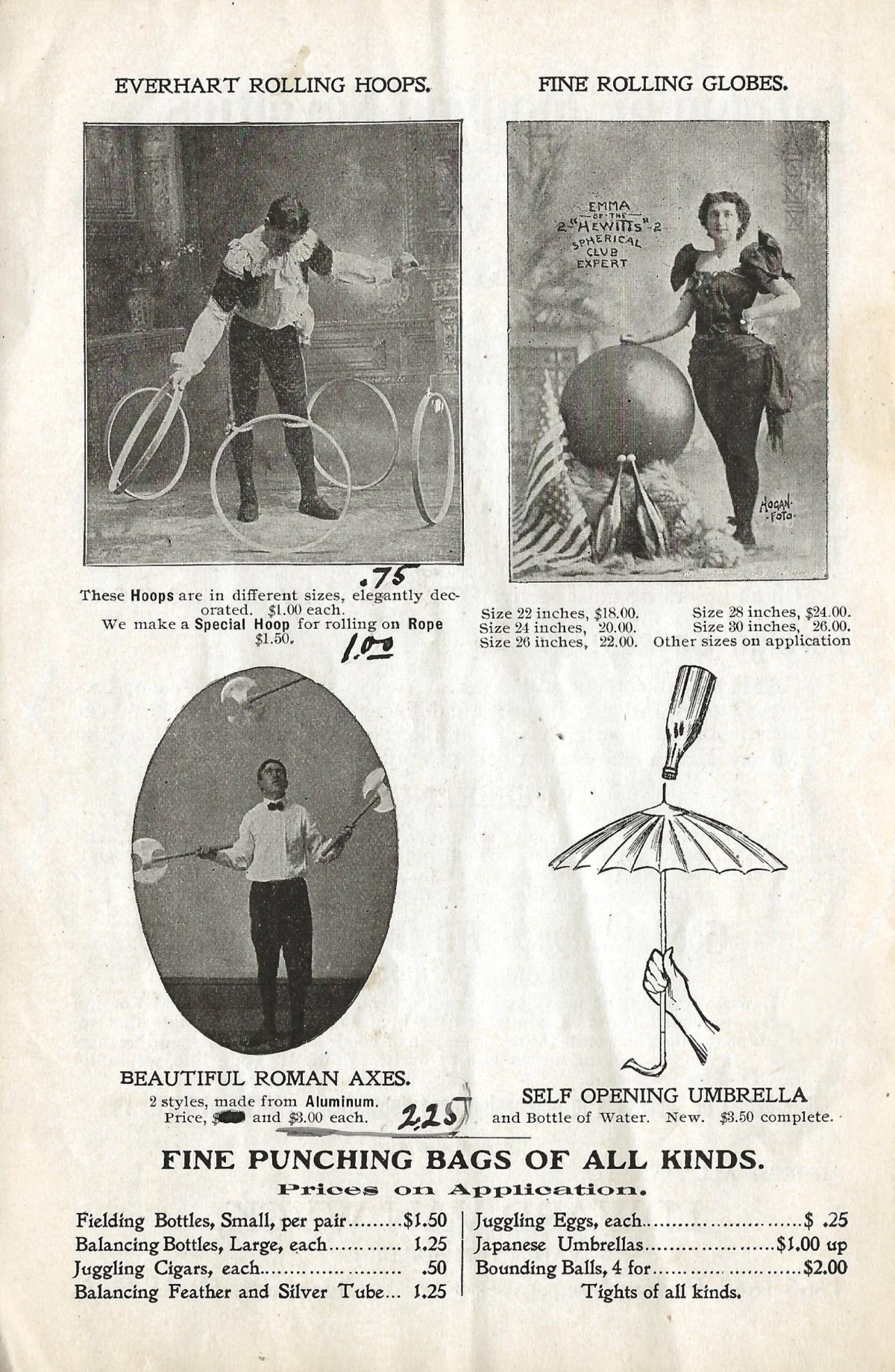
The categorization of what constitutes "juggling" has historically been far more expansive than the modern focus on toss-based patterns. During the zenith of the Vaudeville era, from the turn of the 20th century through the mid-1960s, the art of performative bag punching was frequently classified under the umbrella of juggling. This categorization was not merely an aesthetic choice but a professional one; the skill sets required—rhythmic precision, rapid eye-hand coordination, and the ability to maintain a consistent momentum with a moving object—were viewed as synonymous with the discipline of traditional object manipulation.
The Evolution of a Performance Discipline
At the start of the 1900s, the performance landscape was dominated by variety acts that blended athleticism with entertainment. Bag punching, which originated as a training method for boxers, was adapted into a theatrical spectacle. Performers utilized specialized, lightweight leather bags mounted on spring-loaded or elastic cord apparatuses, allowing the puncher to strike the object in complex, rhythmic patterns.
For the audience of the early 20th century, these displays were considered a feat of dexterity. Practitioners often synchronized their strikes with musical accompaniment, creating a percussive performance that mirrored the auditory patterns of tap dancing or drum work. Because many of these performers were also trained in club juggling, hat manipulation, or plate spinning, the transition between these acts was seamless. The industry viewed these artists as "specialty manipulators," a broader term that comfortably accommodated both the toss juggler and the rhythmic bag puncher.

Chronology of Performative Bag Punching
The trajectory of this art form is well-documented through the promotional materials and catalogs of early 20th-century entertainment agents.
- 1900: The publication of America and Europe’s Greatest Jugglers serves as a primary historical record, featuring prominent bag punchers such as Eddie Gillen, who was also widely recognized for his proficiency with juggling clubs.
- 1903: John and Mary Lockos, a husband-and-wife duo, solidified the presence of bag punching in the variety circuit, gaining significant billing in industry catalogs of the time.
- 1906–1947: The career of Milo Vagge, known professionally as Jerry Jerome, represents the longest sustained period of success for a practitioner of both disciplines. Vagge’s integration of hoop rolling and bag punching into his act allowed him to remain a staple of the circus circuit, eventually reaching the prestigious Ringling Brothers and Barnum & Bailey stage in 1941.
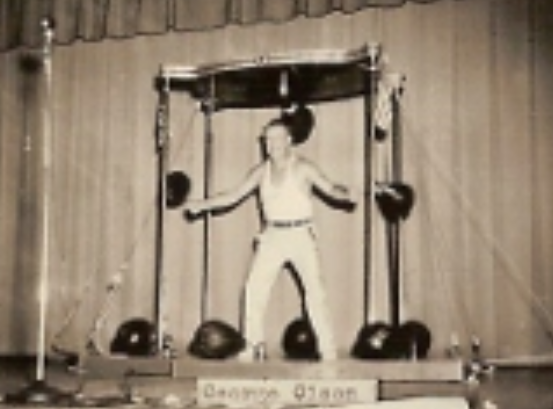
- 1960: The International Juggling Association (IJA) Convention featured a performance by George Olson, marking what is currently identified as the final significant public exhibition of traditional performative bag punching within a professional juggling context.
The Van Wyck Influence
A central figure in the commercialization of this skill was Edward Van Wyck, an influential figure in the theatrical supply industry. His catalogs did more than just document the performers; they provided the tools of the trade. By offering professional-grade punching bags alongside juggling equipment, Van Wyck effectively codified the link between the two disciplines. This cross-pollination of equipment sales suggests that the demand for these items was driven by a shared demographic of performers who viewed themselves as masters of physical manipulation, regardless of the specific apparatus being utilized.

Supporting Data and Notable Figures
The inclusion of bag punching in the professional repertoire was not limited to human performers. Historical records from 1901 document the existence of "Mannie," a pit bull owned by Laura Comstock, which achieved fame in the Vaudeville circuit for its ability to strike a punching bag in a rhythmic, controlled fashion. This act, while unconventional by modern standards, was a high-profile example of how the movement mechanics of the act were appreciated as a form of performance art.
Other notable figures, such as Otto G. Trumpoldt (performing as Otto Haines), further bridged the gap between boxing-adjacent physical fitness and the theatrical arts. These performers often utilized complex, multi-point striking techniques that required the same degree of spatial awareness as a three-ball cascade, yet they were executed with a force and tempo that set them apart from standard juggling.

Analytical Perspective: Why the Decline?
The decline of bag punching as a recognized juggling sub-discipline can be attributed to several factors. As Vaudeville waned in popularity following the rise of cinema and television, the variety act format underwent a period of specialization. The "jack-of-all-trades" performer, who could juggle, spin plates, and punch bags, became less economically viable than the specialized circus performer or the stand-up comic.
Furthermore, the athletic perception of juggling shifted. By the mid-20th century, the IJA and similar organizations began to prioritize technical proficiency in toss juggling, particularly as the "juggling pattern" became the standard metric for skill. The rhythmic, percussive nature of bag punching, which lacked the visual "flight" element of traditional juggling, became increasingly viewed as a relic of the music hall era.

Broader Impact and Historical Preservation
The research conducted by organizations such as the Museum of Juggling History has been instrumental in reclaiming the narrative of these early 20th-century performers. By cataloging the transition from the era of Milo Vagge to the final exhibition by George Olson, historians are providing a clearer view of the fluid boundaries of performance arts.
The implications of this research are significant for the contemporary juggling community. It challenges the modern definition of the art form, suggesting that "juggling" has always been a term that encompasses any highly skilled manipulation of objects for the purpose of public entertainment. When viewed through this lens, the rhythmic, percussive strikes of a bag puncher are not an anomaly, but rather a fundamental branch of the history of dexterity.

While modern audiences may be accustomed to the high-speed patterns of current IJA record holders, the legacy of the bag punchers serves as a reminder that the history of juggling is inextricably linked to the broader evolution of the variety stage. The practitioners of the early 1900s were innovators who understood that the audience’s fascination with the impossible was not limited to objects thrown into the air, but extended to any object controlled with precision, speed, and rhythm. As researchers continue to uncover photographs, catalogs, and silent film footage from this period, the definition of the "juggler" will likely continue to expand, reclaiming the diverse and often surprising range of skills that defined the golden age of performance.