The year 1968 stands as one of the most tumultuous, culturally transformative periods in modern global history. Marked by intense political upheaval, civil rights movements, widespread anti-war protests, and profound social shifting across the Western world, the era demanded a soundtrack that could both reflect the chaos and offer a temporary escape from it. Amid this backdrop of historic turbulence, the popular music landscape flourished, producing a vast catalog of timeless recordings that continue to resonate across generations.
While musical trends evolved at a breakneck pace during the late 1960s, a select handful of songs released in 1968 achieved a level of cultural permanence that transcends decades. For those who grew up during the era, as well as subsequent generations discovering the golden age of analog recording, certain melodies and vocal performances remain instantly recognizable. A detailed examination of three defining tracks from 1968—Percy Sledge’s "Take Time To Know Her," Steppenwolf’s "Magic Carpet Ride," and The Box Tops’ "Cry Like A Baby"—reveals the distinct songwriting craftsmanship, commercial trajectories, and lasting cultural footprints that cemented their status as masterworks of late-sixties pop, soul, and rock.
Soul, Caution, and Crossover Success: Percy Sledge and Take Time To Know Her
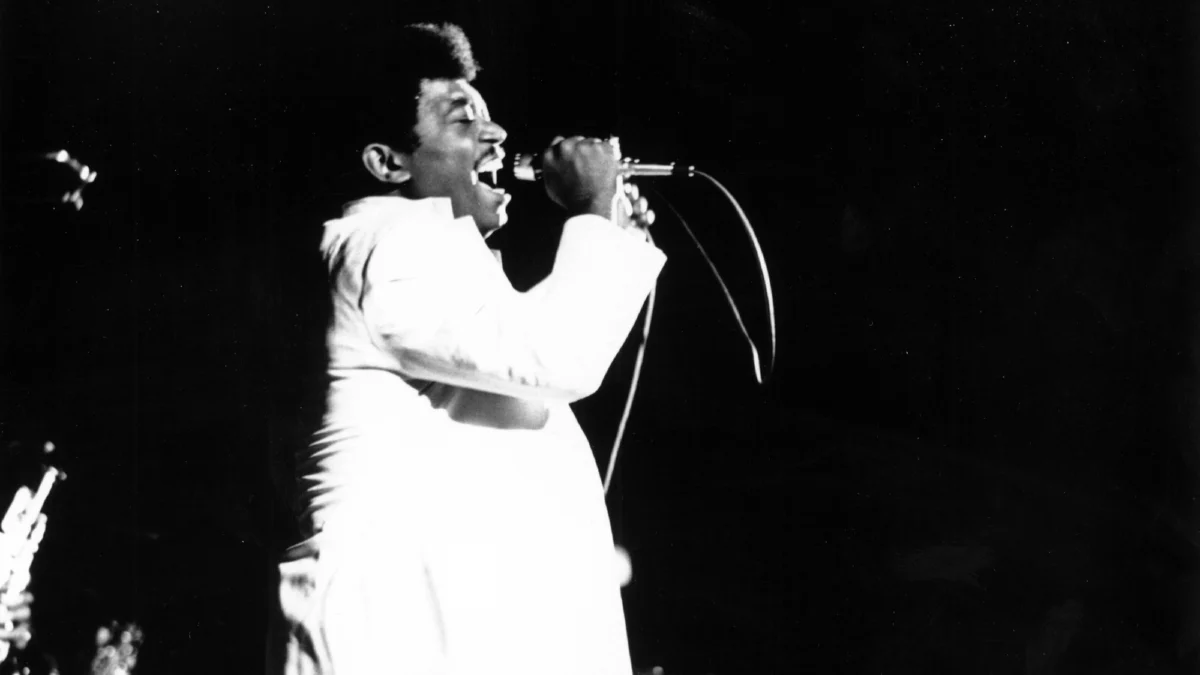
By the time 1968 arrived, soulful balladeer Percy Sledge had already secured his place in music history. Two years prior, in 1966, the former agricultural worker and hospital orderly from Leighton, Alabama, captured international attention with his monumental debut single, "When A Man Loves A Woman." That raw, emotional recording reached the summit of the charts and became an enduring standard of soul music. However, matching the stratospheric success of a generational debut is a challenge that has eluded many artists. For Sledge, the pursuit of a defining sophomore era culminated in the release of his fourth studio album, Take Time To Know Her, and its titular single.
Written by songwriter Steve Davis, "Take Time To Know Her" functions as a narrative-driven cautionary tale. The lyrical framework presents a mother warning her son against rushing into a passionate, impulsive romance. The central message of the song is articulated plainly in its memorable refrain: "Take time to know her / It’s not an overnight fling / You better take time to know her / Please please don’t rush into this thing." Infused with Sledge’s trademark emotive delivery—characterized by a weeping vocal style and deep, gospel-hued conviction—the track captured the complexities of human relationships with poignant gravity.
Commercially, the single proved to be a formidable crossover success. It climbed into the Top 10 on the Billboard R&B chart while simultaneously breaking into the Top 20 on the broader Billboard Hot 100. Despite its strong performance, "Take Time To Know Her" holds a bittersweet distinction in Sledge’s discography: it marked his final major commercial chart hit on a national scale. Aside from his career-defining 1966 debut, Sledge’s chart presence peaked with this 1968 release, leaving it as the closing major chapter of his chart-topping era, even as his legacy as a premier soul vocalist endured for decades through relentless touring and critical acclaim.
Heavy Metal Thunder and Psychedelic Escape: Steppenwolf and Magic Carpet Ride
While soul music provided poignant reflections on human relationships, the burgeoning counterculture and harder-edged rock sounds of 1968 sought entirely different dimensions. Enter Steppenwolf, a transnational rock band formed primarily in Los Angeles, whose heavy blues-rock instrumentation and raspy, authoritative vocals helped pioneer the stylistic foundations of what would eventually become heavy metal. Having already made an indelible mark on the cultural consciousness earlier in the year with their blistering anthem "Born To Be Wild"—a track famously immortalized in the counterculture road film Easy Rider—the band faced the formidable task of maintaining momentum.
They answered that challenge later in 1968 with the release of their second studio album, aptly titled The Second. The record featured "Magic Carpet Ride," a track composed by frontman John Kay and bassist Rushton Moreve. Musically, the song combined a driving, heavy-groove rhythm section with swirling psychedelic textures, soaring guitar riffs, and Kay’s unmistakable, gravelly vocal delivery. Lyrically, the track invited listeners into an expansive world of sensory exploration and escapism, perfectly aligned with the era’s fascination with expanded consciousness and fantasy worlds. The song’s invitation was direct and hypnotic: "Well, you don’t know what we can find / Why don’t you come with me little girl / On a magic carpet ride."
The release of "Magic Carpet Ride" solidified Steppenwolf’s commercial dominance during a critical transition period in rock history. Following closely on the heels of "Born To Be Wild," the single became the band’s second Top 5 hit on the Billboard charts in 1968. Remarkably, much like Sledge’s trajectory, "Magic Carpet Ride" also represented the final time Steppenwolf would breach the Top 5 tier of the charts. Yet, its impact was instantaneous and profound. The song’s introductory riff and soaring chorus became a staple of album-oriented rock radio, cementing the band’s reputation as architects of heavy rock thunder and ensuring the track’s ongoing presence in cinema, television, and classic rock retrospectives.
Memphis Soul-Rock and Accidental Inspiration: The Box Tops and Cry Like A Baby
Down in Memphis, Tennessee, a different brand of musical alchemy was taking place under the guidance of producer Dan Penn. The Box Tops, fronted by the distinctive, raspy-voiced teenager Alex Chilton, had already captured the public’s imagination in 1967 with their international smash hit "The Letter." Possessing a signature sound that blended blue-eyed soul, garage rock, and sophisticated orchestral pop arrangements, the group was constantly in search of material that could match the distinctive punch of their debut.
In 1968, they found that vehicle in "Cry Like A Baby," the title track of their sophomore studio album. Written by the powerhouse songwriting duo Dan Penn and Spooner Oldham, the track is a masterclass in evoking deep regret and heartache. The lyrics capture the raw vulnerability of looking back on a lost romance: "As I look back on a love so sweet now / I cry like a baby / Every road is a lonely street / I cry like a baby." Musically, the track departed from conventional guitar-driven rock by incorporating an electric sitar, played by Chips Moman, which gave the arrangement a haunting, distinctively modern texture that set it apart on the contemporary radio dial.
The origin story of "Cry Like A Baby" remains one of the most charming anecdotes in the history of American songwriting. Penn and Oldham had spent an entire night desperately attempting to write a suitable follow-up track for The Box Tops, struggling against intense writer’s block. Exhausted and frustrated as dawn broke, the pair decided to abandon the session and head out for breakfast. Sitting at the diner, Oldham remarked to Penn that he was so thoroughly exhausted from the night’s futile efforts that he felt like he could "cry like a baby." Penn immediately recognized the poetic cadence of the phrase, and the core concept of the song materialized on the spot.
The resulting track became one of only two major Top 10 chart successes for The Box Tops, sitting alongside "The Letter." Its commercial triumph proved that the band was not merely a one-hit wonder of the garage-soul boom, but a legitimate recording outfit capable of delivering polished, emotionally resonant chart-toppers. The song’s unique instrumentation and Chilton’s mature, world-weary vocal delivery defied his young age, leaving an enduring mark on the blue-eyed soul genre.
The Broader Historical Impact and Legacy of 1968’s Sonic Landscape
Looking back at the musical ecosystem of 1968 through the lens of these three distinct recordings—Percy Sledge’s soul-stirring cautionary tale, Steppenwolf’s psychedelic heavy-rock anthem, and The Box Tops’ accidental masterpiece of regret—illustrates the remarkable stylistic diversity that defined the era. Popular music in 1968 was not monolithic; rather, it functioned as a multifaceted mirror reflecting the anxieties, escapist desires, and emotional complexities of a rapidly changing world.
The commercial metrics of these tracks further highlight the fleeting nature of peak chart dominance, even for the era’s most talented performers. For Sledge, Steppenwolf, and The Box Tops, these specific 1968 releases marked the final ascent to the upper echelons of the Billboard charts, functioning as high-water marks in otherwise diverse careers. Yet, their inability to continually replicate those specific chart peaks did little to diminish their cultural footprint.
Decades after their initial release on vinyl and magnetic tape, "Take Time To Know Her," "Magic Carpet Ride," and "Cry Like A Baby" continue to enjoy heavy rotation on classic hits formats, digital streaming platforms, and archival retrospectives. They serve as enduring testaments to an era when songwriting craftsmanship, distinct vocal identities, and studio experimentation converged to create a musical legacy that subsequent generations continue to study, celebrate, and embrace.