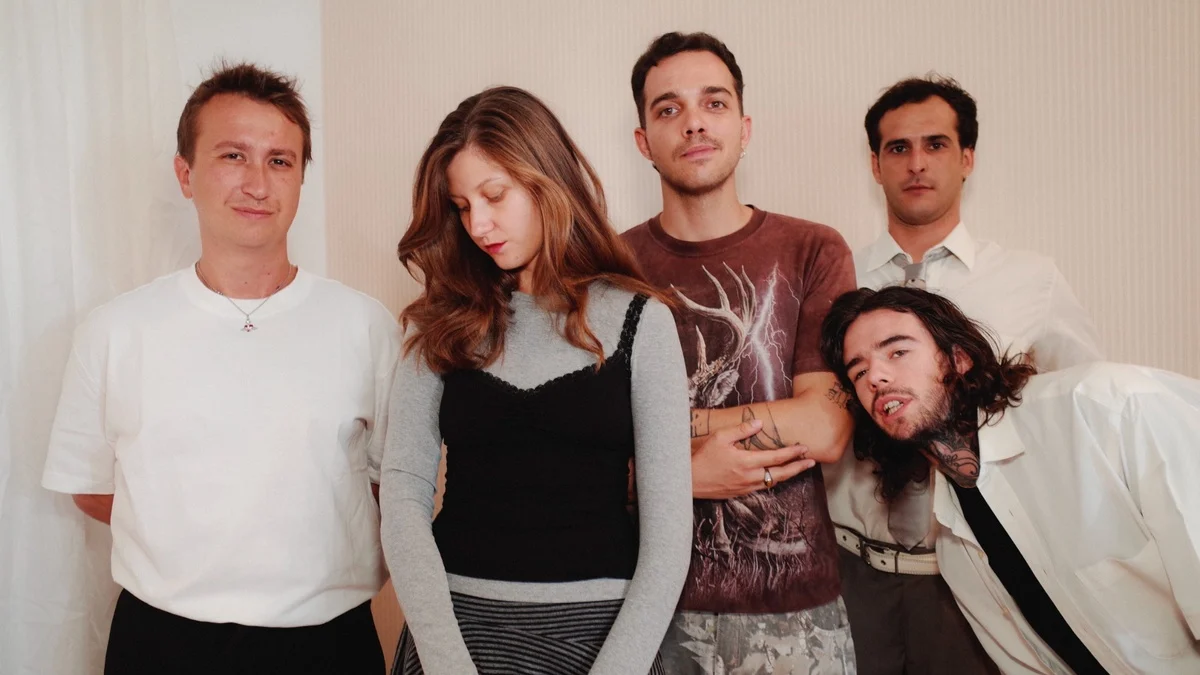
Over the past decade, the musical landscape of Spain has undergone a profound structural and artistic transformation, shifting from a collection of isolated, localized independent scenes into a powerhouse of commercial viability and international reach. At the heart of this evolution is Niña Polaca, an indie-rock outfit whose trajectory mirrors the broader renaissance of Spain’s alternative music sector. From recording their debut album with rudimentary equipment in a Madrid apartment to selling out some of the country’s most prestigious venues, the band has witnessed firsthand how a new generation of artists has revitalized Spanish rock and pop on an unprecedented scale.
As the music industry continues to grapple with shifting consumption habits, streaming economics, and post-pandemic touring realities, acts like Niña Polaca are defining a new blueprint for longevity. Blending artistic integrity with acute business pragmatism, the group stands as a prominent example of how contemporary Spanish indie acts are navigating the delicate balance between countercultural roots and mainstream success.
From the Bohemian Streets of Malasaña to Underground Roots
The origins of Niña Polaca trace back to 2018 in Malasaña, a bohemian neighborhood in central Madrid historically recognized as a crucible for the city’s nightlife and underground counterculture. Vocalist and primary lyricist Álvaro Surma met bassist Beto while residing in the same building. What began as informal jam sessions quickly evolved into a serious musical endeavor as the pair recruited additional members to flesh out their dynamic, garage-inspired sound.
During their formative years, the band cut their teeth playing in tiny local clubs across Madrid and Alicante, operating within a tight-knit community of emerging artists. By late 2019, their growing live reputation and infectious melodic sensibilities caught the attention of Subterfuge Records, a prominent independent label in Spain, which signed the group and provided a formal platform for their burgeoning career.
However, the band’s entry into the recording world was remarkably unpolished. Surma has frequently recounted how the group initially lacked foundational technical skills, admitting that they did not initially know how to properly play their instruments, sing professionally, or operate studio equipment. Their debut studio full-length was assembled at home using just two low-quality microphones, relying on raw enthusiasm rather than production polish. Against all odds, this DIY recording resonated widely, sparking a grassroots following that would soon break containment and propel the band toward mainstream visibility.
A Meteoric Live Evolution and Milestone Achievements
The tipping point for Niña Polaca arrived in the early 2020s, coinciding with a post-pandemic surge in demand for live music across Spain. In 2023, the band achieved a major milestone by headlining La Riviera, a legendary Madrid venue with a capacity of approximately 2,000 people. What followed was an extraordinary run of commercial success: between 2023 and 2024, the group sold out La Riviera five consecutive times—a rare feat for an independent guitar-driven act.
Surma has often expressed disbelief at the rapid acceleration of the band’s career, recalling moments of surreal realization backstage before stepping out in front of thousands of devoted fans. This upward trajectory is set to reach a new peak in January, when Niña Polaca will headline the Movistar Arena in Madrid, marking the largest indoor headlining performance of their career to date. With floor tickets having sold out months in advance, the upcoming arena show underscores how far the band has traveled from their humble, apartment-studio beginnings.
This live momentum is not isolated to Madrid. Niña Polaca has maintained an exhaustive touring schedule, including prominent slots at Spain’s major summer music festivals and a forthcoming 16-date headlining tour that features numerous sold-out stops across the Iberian Peninsula.
The Business of Indie: Pragmatism and Sustainability
Despite the romanticism often associated with the rock-and-roll lifestyle, Niña Polaca’s long-term survival has been anchored by strict financial discipline and structural organization. Surma has frequently emphasized that raw musical talent accounts for only a fraction of a band’s longevity; the economic realities of touring and album production pose existential threats to many emerging artists.
Drawing comparisons to the high attrition rate among their peers from the Malasaña scene—estimating that only about 10 percent of the bands they started alongside remain active today—Surma points to the financial traps that ensnare young musicians. Touring expenses can quickly outpace revenues, turning live performance into a losing proposition if not managed carefully. To mitigate these risks, Niña Polaca adopted a corporate mindset, treating the band as a structured business entity. They expanded their touring personnel and operational overhead strictly in tandem with verified financial growth.
This pragmatism is reinforced by Surma’s professional background. Until recently, he maintained a career in legal tech, and he has since partnered with bandmate Rubén Manchón to launch a dedicated management and booking company. This dual perspective—balancing the uninhibited expression of a songwriter with the strategic foresight of an entrepreneur—has allowed the band to navigate the complexities of the modern music industry without compromising their artistic identity.
Lyrical Specificity and the Sound of Modern Spanish Rock
Musically, Niña Polaca’s catalog bridges the gap between introspective storytelling and upbeat, infectious indie-rock arrangements. Surma’s lyrical approach relies heavily on autobiographical specificity, drawing inspiration from everyday locations, personal relationships, and pop culture touchstones. In this regard, he cites songwriting icons like Bruce Springsteen and The National as primary influences, subscribing to the theory that deeply localized, specific narratives possess universal emotional resonance.
This lyrical grounding is counterbalanced by what Surma describes as the band’s signature blend of "irony and a mean streak." Their latest studio album, "¿Dónde está la ONU cuando más la necesitas?" (Where Is the United Nations When You Need It?), tackles more mature themes while retaining quirky references spanning cinematic touchstones like The Matrix and CSI, historical figures like William Wallace, and tongue-in-cheek song titles such as "Suena ABBA cuando enciendes el motor" (ABBA Is Playing When You Turn the Engine On).
A Broader Renaissance: The State of Spain’s Music Scene
Niña Polaca’s rise is emblematic of a broader, transformative period for the Spanish music industry. Surma frequently draws parallels to La Movida Madrileña, the vibrant countercultural movement of the early 1980s that reshaped Spain’s cultural landscape in the wake of the democratic transition, producing iconic acts like Nacha Pop and Alaska y los Pegamoides. Today’s scene, he argues, is experiencing a similarly dense concentration of creative talent and commercial momentum.
This renaissance extends well beyond Niña Polaca. Other independent acts who emerged during the same period have scaled similar commercial heights. Carolina Durante has transitioned smoothly into arena-level venues through partnerships between independent label Sonido Muchacho and Universal Music Spain. Meanwhile, Arde Bogotá has evolved from regional independent circuits into stadium-level draws, releasing their sophomore album, Manufacturas del Club de la Gente Sola, via Sony Music following sessions in Los Angeles with renowned producer Joe Chiccarelli.
Furthermore, Spain’s international musical footprint has expanded exponentially. Global superstars Rosalía and C. Tangana previously demonstrated the global viability of contemporary Spanish perspectives. Concurrently, a younger, genre-fluid generation of artists—including Judeline, rusowsky, Ralphie Choo, and pablopablo—has captured international audiences by defying traditional genre boundaries.
While these diverse artists do not belong to a single unified micro-genre, their collective success points to a robust, highly visible Spanish music ecosystem characterized by increased production values, specialized show direction, and expanded international reach.
Implications and Future Outlook
As Niña Polaca prepares for their landmark performance at the Movistar Arena, the implications of their journey extend to the broader independent music community in Southern Europe. The traditional boundaries separating "independent" and "mainstream" music have blurred significantly, with indie acts routinely selling out major sports arenas and partnering with major label conglomerates while maintaining artistic autonomy.
For Surma, the ultimate reward of this rigorous journey remains the profound human connection forged during live performances. What began as private words written in a bedroom now manifest as communal anthems sung in unison by thousands of fans. As Niña Polaca continues to chart its course through an increasingly competitive and professionalized industry, the band stands as both a beneficiary and a driving force of Spain’s ongoing musical golden age—proving that sustainable enterprise and authentic artistic expression can coexist on the grandest stages.