As the 1960s drew to a close, popular music stood at a fascinating crossroads. The countercultural explosion, psychedelic experimentation, and profound socio-political upheaval that defined the middle of the decade were slowly giving way to the slicker production values, introspective singer-songwriters, and diverse genre blending that would characterize the 1970s. Yet, before the curtain fell on the sixties, the airwaves were dominated by singles that managed to encapsulate both the exuberance of the past decade and the evolving sensibilities of the next. Released in the landmark year of 1969, three distinct tracks—Tom Jones’s passionate balladry, The Dells’ sophisticated R&B modernization, and Neil Diamond’s enduring stadium anthem—left an indelible mark on popular culture. Decades later, these recordings continue to resonate deeply with audiences, maintaining a permanent place in the collective musical memory of anyone who grew up during that transformative era.
The Transatlantic Journey of Tom Jones and Love Me Tonight
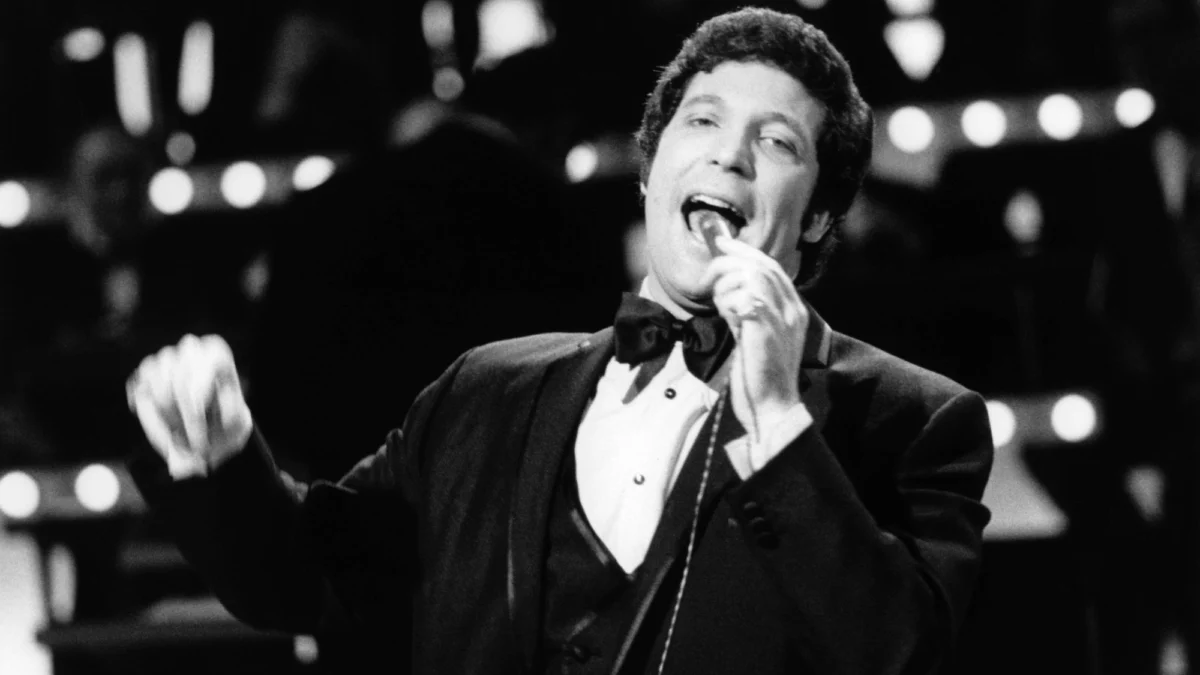
By 1969, Welsh vocalist Tom Jones had firmly established himself as a powerhouse international entertainer, known for his commanding stage presence, booming baritone, and immense popular appeal. That year, Jones added another major milestone to his burgeoning career by securing a prominent Top 10 hit with the soaring romantic ballad "Love Me Tonight."
The trajectory of the song offers a fascinating look at the international nature of the mid-century music industry. Originally conceived in Italy, the composition was crafted by the formidable songwriting trio of Lorenzo Pilat, Mario Panzeri, and Daniele Pace. Recognizing its universal melodic appeal, lyricist Barry Mason subsequently penned the English-language adaptation that Jones would ultimately record and immortalize. Interestingly, despite its commercial success and enduring popularity, "Love Me Tonight" was not packaged into any of Jones’s contemporary studio albums at the time, operating instead as a standalone single that conquered charts purely on the strength of radio airplay and jukebox rotation.
Lyrically, the track leaned into the dramatic, impassioned style that defined Jones’s signature persona. The chorus famously implores:
“Tell me, baby, that you need me, say you’ll never leave me / Love me tonight / Hold me now my heart is aching, until the dawn is breaking / Love me tonight.”
The song’s widespread resonance was further demonstrated later that same year when legendary balladeer Johnny Mathis recorded his own distinct interpretation of the track. Mathis included his version on his studio album titled Love Theme From “Romeo And Juliet” (A Time For Us), cementing the composition’s status as a contemporary standard beloved by vocal purists and mainstream listeners alike.
The Evolution of The Dells and the Reimagining of Oh, What a Night
While Tom Jones was conquering the pop charts with continental flair, the legendary R&B vocal group The Dells were busy executing one of the most remarkable self-reworkings in soul music history with their track "Oh, What A Night." The group’s fascination with the composition spanned more than a decade, showcasing their dedication to perfecting their craft and adapting their sound to changing eras.
The song first materialized in 1959—though recorded slightly earlier—as the title track of their freshman album, appearing under the slightly altered spelling "Oh, What A Nite." Written by group members Marvin Junior and Johnny Funches, the track provided The Dells with their very first major commercial breakthrough, propelling them into the Top 5 of the charts and establishing them as a formidable force in rhythm and blues. The original recording relied on the classic doo-wop aesthetics of the mid-1950s, characterized by lush vocal harmonies and a gentle, romantic yearning.
Thirteen years after its initial conception, the group made the bold decision to revisit and re-record the composition, releasing it in 1969 with the streamlined spelling "Oh, What A Night." By the time this uptempo rendition hit the airwaves, The Dells were operating at the absolute peak of their creative and commercial powers. They had recently scored massive hits with sophisticated, orchestrated soul masterpieces such as "Stay In My Corner"—which climbed to the top of the R&B charts—alongside beloved crossover smashes like "Always Together" and their inventive soul-inflected take on "I Can Sing A Rainbow."
The 1969 iteration of "Oh, What A Night" captured a group that had matured vocally and stylistically. The heartfelt lyrics continued to resonate across generations:
“Oh, what a night to love you, dear / Oh, what a night to hold you near / Oh, what a night to squeeze you, dear / That’s why I love you so.”
This successful bridge between 1950s vocal group traditions and the lush, cinematic soul of the late 1960s demonstrated The Dells’ unique ability to remain relevant as musical tastes shifted beneath their feet.
Neil Diamond, Brother Love’s Travelling Salvation Show, and the Birth of Sweet Caroline
Perhaps no single track from 1969 has achieved a greater degree of ubiquity in modern public life than Neil Diamond’s iconic singalong anthem, "Sweet Caroline." Released early that year as part of his fourth studio album, Brother Love’s Travelling Salvation Show, the song stands as a towering achievement in Diamond’s legendary songwriting career.
Unlike many of his contemporaries who relied on collaborative writing teams, Diamond served as the sole writer for "Sweet Caroline," demonstrating an innate knack for crafting melodies that could unite massive crowds. The track’s infectious rhythm and unforgettable chorus quickly captured the public imagination:
“Sweet Caroline / Good times never seemed so good / I’ve been inclined / To believe they never would / Oh, no, no.”
Upon its release, "Sweet Caroline" achieved historic commercial milestones for the artist, officially becoming Diamond’s first multi-platinum single. For decades, music critics and fans alike speculated about the real-world inspiration behind the female name immortalized in the chorus. The mystery was eventually solved when Diamond himself revealed the surprising historical context behind the track’s creation. He noted that the song was deeply inspired by Caroline Kennedy, the young daughter of President John F. Kennedy, whose photograph in a magazine evoked a feeling of innocence and joy that translated directly into the uplifting melody.
In the decades following its 1969 debut, "Sweet Caroline" transcended its status as a mere chart-topping pop record to become a permanent fixture in global sports culture, communal gatherings, and popular celebrations. Its sustained presence across major league ballparks, weddings, and public events stands as a testament to the timeless songwriting craftsmanship of the late-sixties era.
Broader Impact and the Legacy of 1969 Pop Music
Looking back at the musical landscape of 1969 through the prism of these three enduring recordings reveals a fascinating portrait of an industry in transition. While rock music was increasingly pushing toward heavier guitar-driven sounds and complex conceptual albums—typified by the burgeoning underground scenes of the era—traditional pop, soul, and adult contemporary radio remained heavily anchored in exceptional vocal performances and masterclass songwriting.
The success of Tom Jones, The Dells, and Neil Diamond in this specific window of time highlights the sheer diversity of the late-sixties musical ecosystem. These artists did not rely on the psychedelic studio wizardry of the era’s counterculture icons; instead, they anchored their work in timeless emotional themes, sophisticated arrangements, and immediate melodic hooks.
From an economic and industrial standpoint, the year 1969 marked a crucial financial peak for the recorded music business, paving the way for the corporate expansion of the entertainment sector throughout the 1970s. Singles like "Love Me Tonight," "Oh, What A Night," and "Sweet Caroline" proved that music with universal appeal could cross demographic boundaries, uniting older generations who favored traditional vocal styling with younger audiences embracing modern pop arrangements.
Ultimately, the enduring legacy of these three tracks goes far beyond historical nostalgia. They serve as sonic bridges connecting the twilight of a revolutionary decade to the modern era of popular music. For the children of the 1960s who heard these songs crackling through transistor radios, television broadcasts, and jukeboxes for the very first time, these melodies remain hardwired into their personal histories. As contemporary audiences continue to sing along to the booming chorus of "Sweet Caroline" or sway to the dramatic crescendos of Tom Jones and The Dells, the vibrant spirit of 1969 lives on, proving that truly great songwriting defies the boundaries of time.