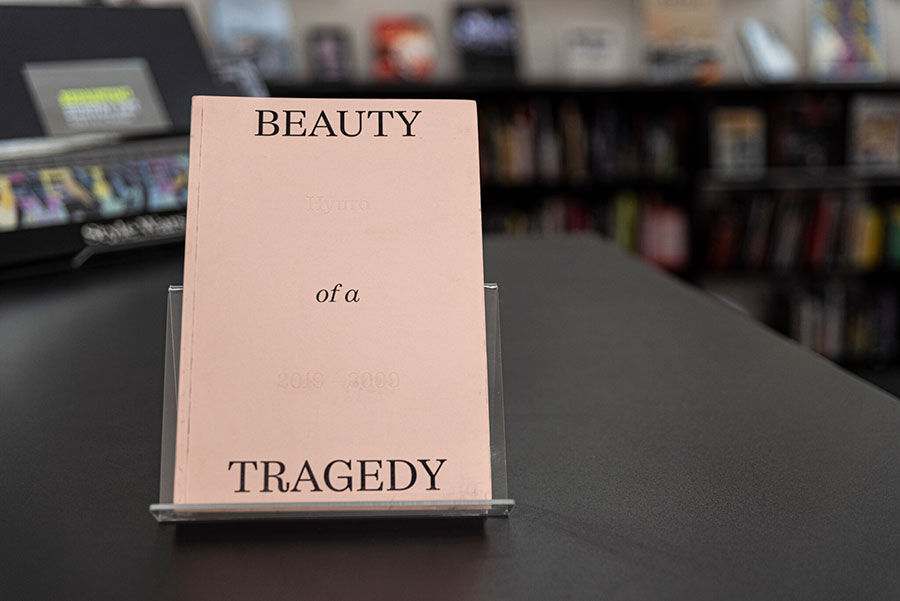
The release of the monograph Hyuro: Beauty of a Tragedy serves as a definitive, retrospective archive of the late Argentine muralist Tamara Djurovic, known globally by her artistic pseudonym, Hyuro. Published by Impressum in 2022, this comprehensive volume documents the profound, often quiet, influence of an artist whose career was tragically cut short in 2020 at the age of forty-six. Unlike traditional monographs that focus on the technical spectacle of street art, this publication acts as a scholarly examination of a singular creative trajectory—one that moved away from the neon-soaked commercialism of the 2010s street-art boom toward a deeply introspective, socio-political narrative. Designed by Ángela Almeida and Maria Gómez-Senent, the book bridges the gap between muralism and social commentary, incorporating sketches, personal writings, and collaborative reflections from luminaries such as photographer Martha Cooper, curator Monica Campana, and artist Escif.
A Chronology of a Quiet Revolution
To understand the significance of Hyuro’s work, one must situate it within the timeline of the global muralist movement. The early 2010s were defined by the rapid scaling of street art festivals, which often prioritized "Instagrammable" aesthetics, massive proportions, and high-visibility branding. Hyuro, based primarily in Valencia, Spain, stood in stark opposition to this trend.
Her practice began to gain international momentum around 2010. By 2012, she was a fixture in European and South American street art circuits, yet she consistently rejected the "festival-as-spectacle" model. Her work during this period—characterized by muted palettes, surrealist domesticity, and the recurring theme of the female body in conflict—challenged the status quo of urban beautification. Between 2015 and 2019, Hyuro’s output became increasingly focused on institutional critique and the documentation of historical trauma. Her passing in 2020 prompted a wave of tributes globally, cementing her status as a critical voice whose work, while physically ephemeral, left an indelible mark on the public consciousness.

Examining the Thematic Core
Hyuro’s portfolio is not a series of decorative additions to cityscapes but a collection of "acts of witness." The monograph highlights several key thematic pillars that defined her career:
- The Female Experience under Political Constraint: Hyuro frequently explored the intersection of the female body and state control. A prominent example cited in the text is her work in Fortaleza, Brazil, where she addressed the criminalization of abortion. By depicting the female body as "usurped territory," she utilized the urban canvas to initiate public dialogue on reproductive rights.
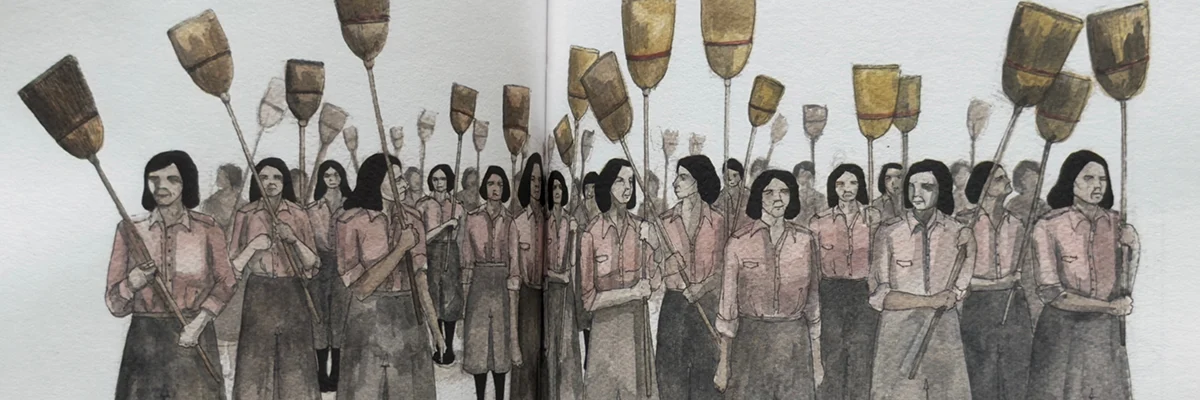
- Historical Memory and Collective Struggle: In Monteleone di Puglia, Italy, Hyuro painted a mural honoring a historical uprising of women protesting food rations under the fascist regime. By choosing to depict localized, often overlooked historical acts of resistance, she repositioned the mural as a tool for historical reclamation.
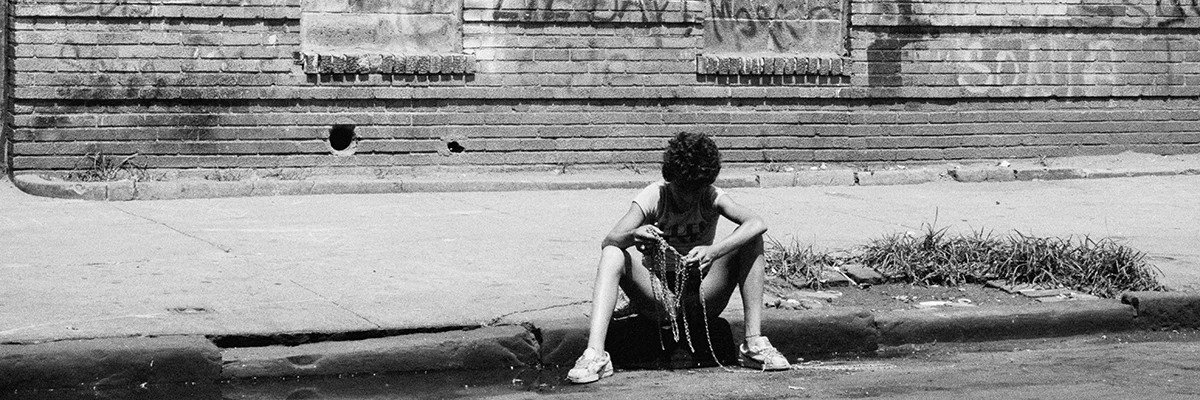
- The Precarity of Childhood: Many of her murals focused on the psychological impact of war and poverty on children. Rather than employing graphic, traumatic imagery, she relied on metaphor—often depicting children in states of transition, play, or quiet contemplation—to convey the weight of systemic failures.
Technical and Aesthetic Departures
The analytical essays within the book provide a crucial look at why Hyuro’s work remained consistently disruptive. Critics and peers noted that her technical execution served her message rather than distracting from it. While contemporary muralists often favored hyper-realism or geometric abstraction, Hyuro’s figures were frequently obscured, cropped, or faceless. This choice was intentional; by removing identifiable features, she allowed the viewer to project their own experiences onto the subjects, transforming the mural from a singular image into a universal inquiry into human vulnerability.
Martha Cooper, the legendary photographer whose work has documented the evolution of street art for decades, noted in the book that Hyuro’s simplicity was a deceptive force. It was an aesthetic of subtraction. Where others sought to overwhelm the viewer with color and scale, Hyuro sought to create a "pause" in the urban environment. This approach is what Monica Campana, curator of the Living Walls project, describes as the "domestication of the street." By bringing themes of intimacy, care, and internal conflict into the public sphere, Hyuro challenged the notion that street art must be "loud" to be impactful.
Institutional Responses and Industry Context
The publishing of Beauty of a Tragedy represents an effort by the arts community to institutionalize Hyuro’s legacy. The editorial team, including Evan Pricco, curated the book to ensure that Hyuro’s own voice—represented through her writings—was prioritized alongside the visual record.
From a market perspective, Hyuro’s work occupies a unique niche. While the "street art market" often chases the high-valuation works of graffiti-derived artists, Hyuro’s contributions have been curated by galleries and cultural institutions, such as Urban Nation Berlin, which recently featured her work as part of their broader initiative to preserve the history of street art. The inclusion of her sketches and preliminary studies in the book provides researchers and students of urban art with a rare, granular view of her creative process, proving that the intellectual labor behind her murals was as significant as the final paint application.
Broader Impact and Social Implications
The implications of Hyuro’s career are manifold. First, she demonstrated that an artist could navigate the commercialized world of international street art festivals without compromising a rigorous, critical agenda. Her work effectively served as a counter-narrative to the gentrification often associated with mural-led urban renewal. By focusing on the marginalized—the elderly, the oppressed, the youth, and those living under the weight of historical memory—she ensured that her murals functioned as sites of local identity rather than tools of corporate or state branding.
Second, the monograph acts as a guide for future practitioners. In an era where the digital footprint of art often outweighs its physical reality, Hyuro’s career emphasizes the importance of site-specificity. She did not just paint walls; she engaged with the local communities of the cities she visited. Her commitment to researching the historical context of each location—from the fascist-era protests in Italy to the specific socioeconomic anxieties of Brazilian cities—is a standard that has been increasingly adopted by a new generation of muralists.
Critical Reception and Legacy
Since its publication, Beauty of a Tragedy has received praise for its refusal to treat the artist as a commodity. The absence of "spectacle" in the book’s design reflects the ethos of the artist herself. By presenting her work as a "reflective archive," the editors have ensured that the reader engages with the artist’s mind as much as her output.

Hyuro’s legacy is now defined by this duality: she was an artist who worked in the most public of spaces, yet she maintained a practice that was intensely private, thoughtful, and quiet. Her ability to synthesize the internal contradictions of human life with the external pressures of political systems remains her most enduring contribution. As global cities continue to struggle with the tension between public space and private interest, Hyuro’s work provides a template for how the street can remain a site of authentic human connection and resistance.
The publication of this book does more than memorialize a lost talent; it provides a necessary recalibration of the street art movement. It reminds the audience that the most powerful art is not always the most visible or the most expensive, but the most honest. Through this archival collection, the work of Tamara Djurovic will continue to challenge, disrupt, and offer solace to those who encounter it, ensuring that her voice—a voice of quiet, persistent truth—continues to resonate long after the paint has faded from the walls she transformed.
Data and Technical Summary
- Book Hyuro: Beauty of a Tragedy
- Artist: Tamara Djurovic (Hyuro)
- Publisher: Impressum
- Publication Date: 2022
- Designers: Ángela Almeida, Maria Gómez-Senent
- Contributors: Martha Cooper, Monica Campana, Evan Pricco, Escif
- Primary Focus: Retrospective collection of murals, sketches, and texts spanning the artist’s career (2009–2019).
- Cultural Significance: Serves as the primary academic and historical resource for the study of Hyuro’s socio-political muralist practice.