
The seventh edition of the Parees Festival, held in the Asturian capital of Oviedo from September 3 to September 9, 2026, has underscored a fundamental shift in how public art interacts with urban environments. By moving away from the traditional model of "parachuted" muralism—where artists arrive with pre-conceived sketches to transform a wall regardless of its location—Parees has solidified its reputation as an exemplar of site-specific cultural production. Following a strategic hiatus in 2025, the 2026 edition returned with a focused roster of three artists: Maite Rosende, Greta von Richthofen, and Mar Herrera. Their interventions represent the latest additions to a growing collection of over 40 murals that function as a living archive of Oviedo’s civic, industrial, and ecological identity.
The Evolution of the Parees Model
Since its inception in 2017, the Parees Festival has sought to differentiate itself from global mural festivals that rely on standardized visual languages. The organizers argue that public art should not merely decorate a city; it should act as a medium for social research and historical preservation. The festival’s methodology is rooted in "contextualized muralism," a process that prioritizes community engagement, academic collaboration, and local historical inquiry long before any paint is applied to a surface.
The 2026 edition serves as a case study in this philosophy. Unlike commercial mural programs that often prioritize visual spectacle for social media, Parees requires its artists to act as researchers. This involves deep immersion in the neighborhoods where they work, including consultation with residents, local historians, and subject matter experts. By treating the city’s civic memory and physical landscape as the primary materials of their work, the artists ensure that the final output is inextricably linked to the site.
Chronology and Artistic Interventions
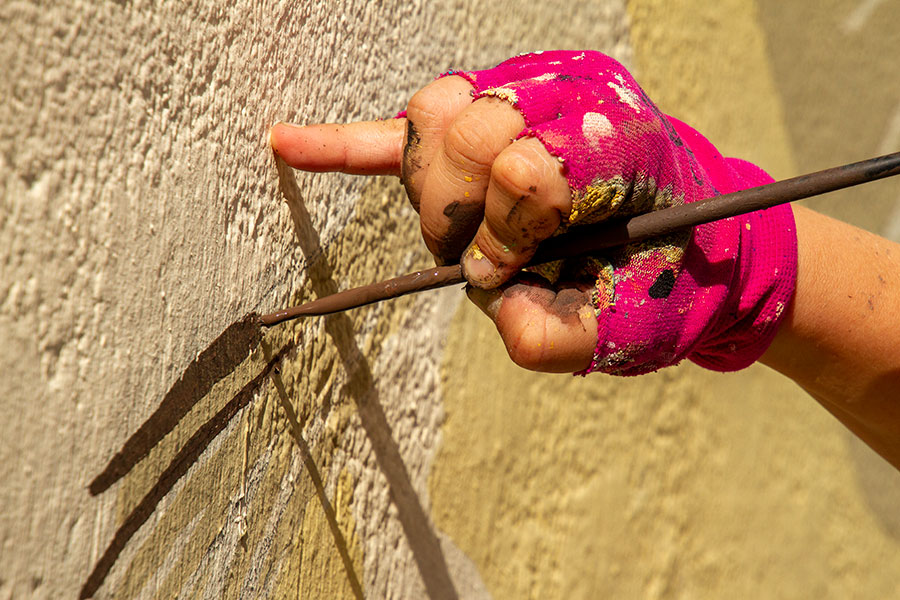
The 2026 festival program was condensed into a single week of intensive on-site production, preceded by months of preliminary research and mediation. The selection of artists reflected a diverse approach to interpreting Oviedo’s identity.
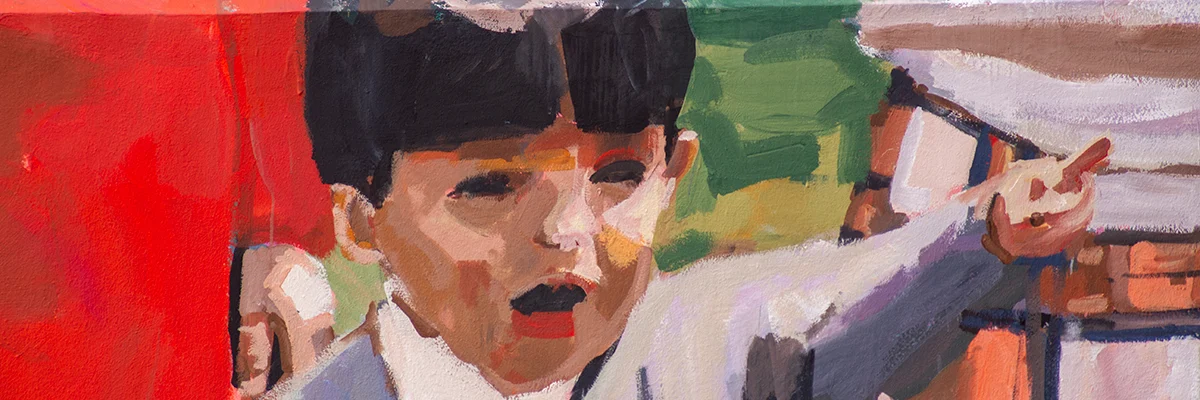
Maite Rosende’s contribution involved a sophisticated act of artistic memory. She revisited La Cometa, a significant mural already embedded in the local psyche. Rather than simply replicating the past, Rosende engaged with the existing composition, allowing new layers and forms to emerge through a process of creative dialogue with the original work. This approach respects the layers of history that define urban spaces, treating murals as living entities rather than static objects.
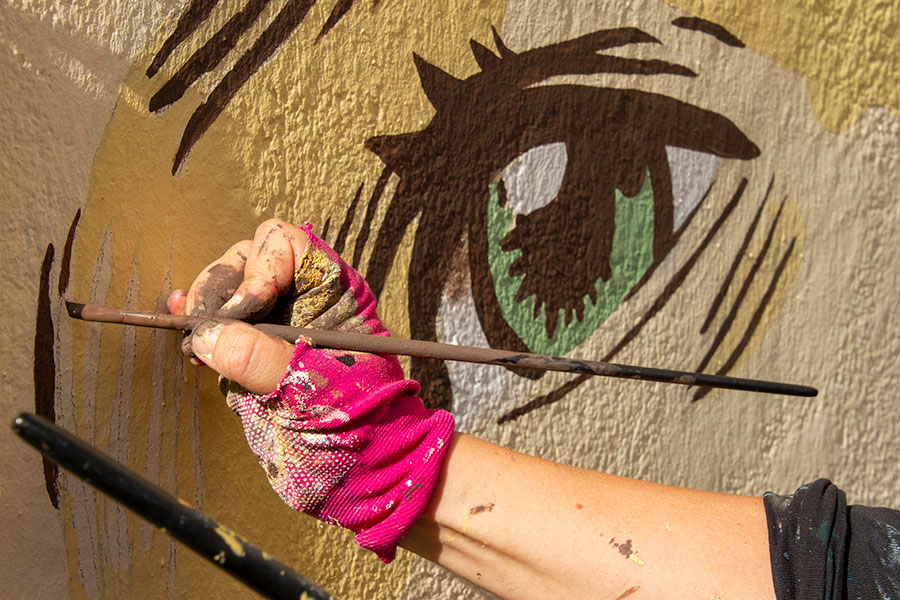
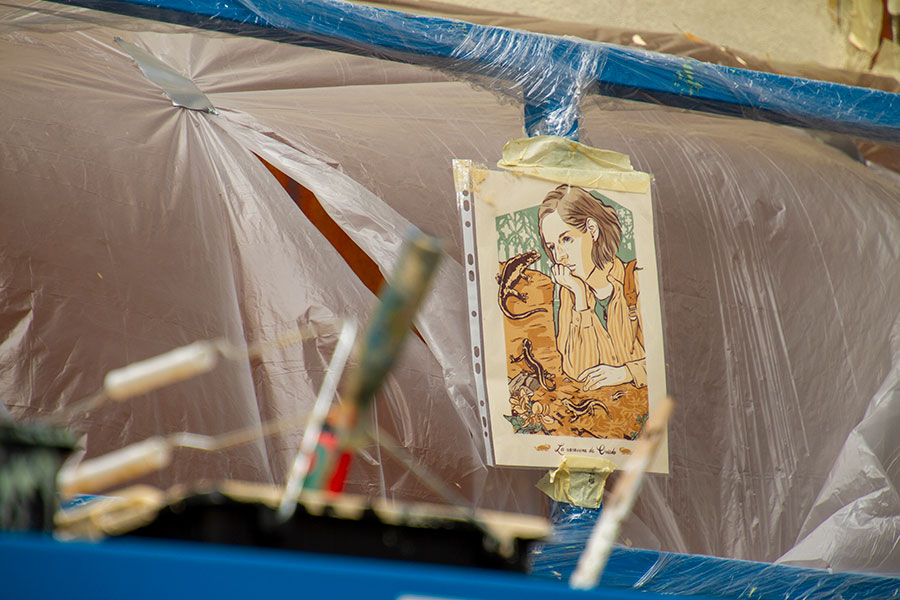
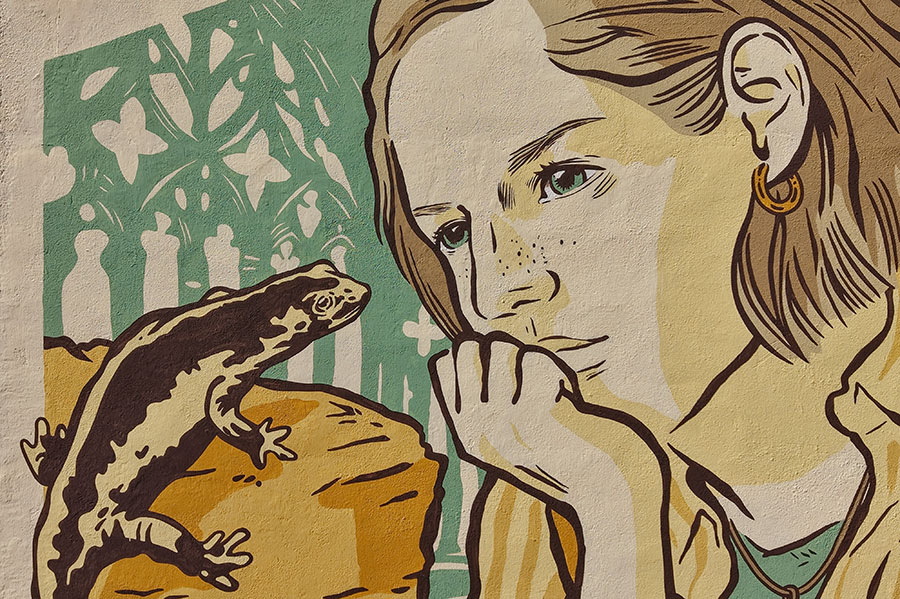
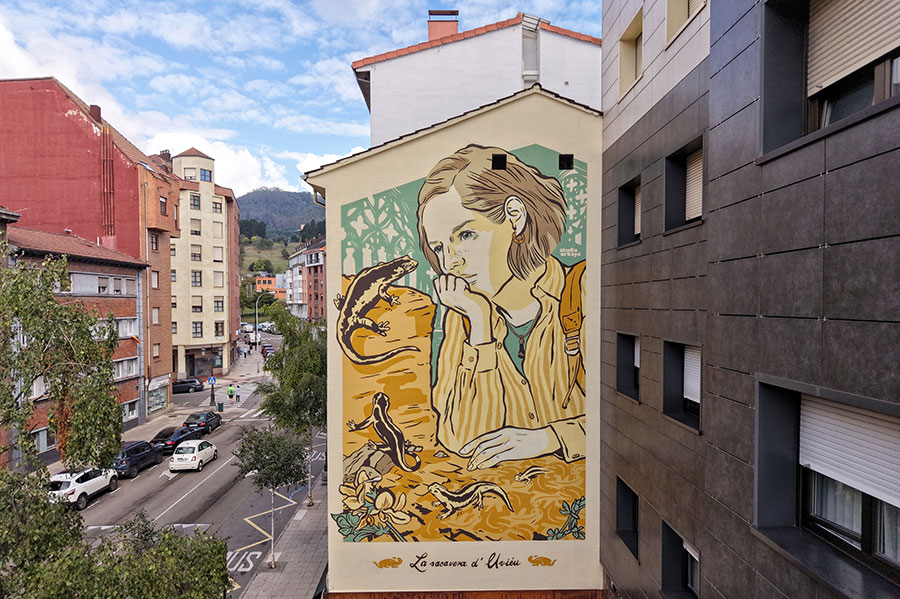
Greta von Richthofen’s intervention provided a sharp contrast, focusing on the intersection of biological science and visual art. Her project centered on the sacavera d’Uviéu, a fire salamander native to the region. To ensure accuracy and depth, von Richthofen collaborated with zoologist David Álvarez from the University of Oviedo. By incorporating elements reminiscent of M.C. Escher’s geometric precision, she transformed a local ecological fact into a surrealist visual narrative, bridging the gap between scientific observation and public artistic expression.
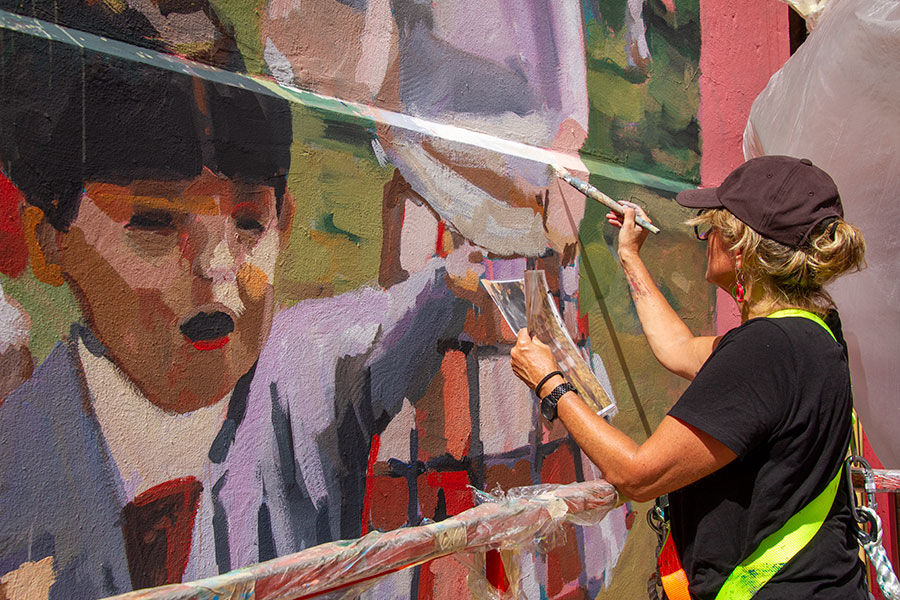
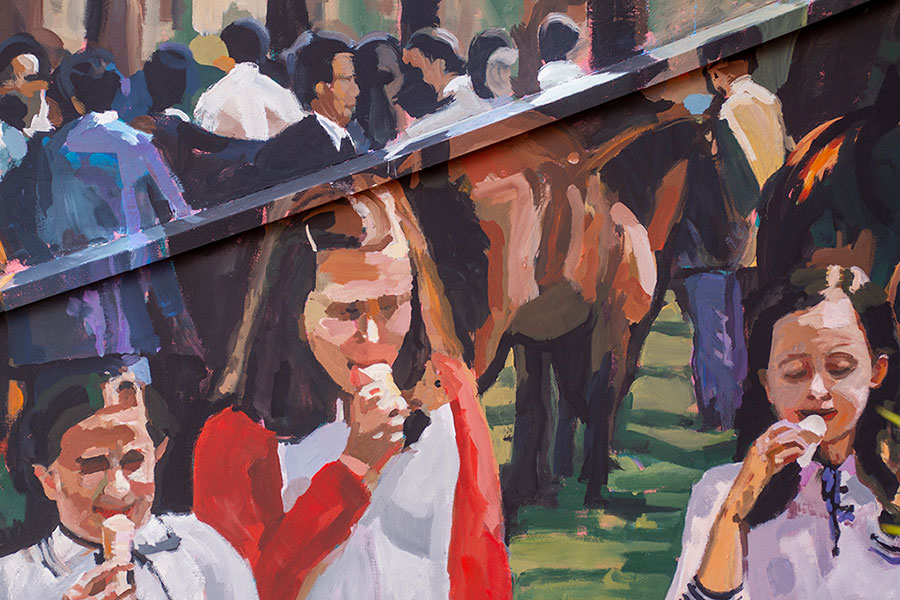
Mar Herrera’s work focused on the Teatinos neighborhood, a process facilitated by local cultural organizations Yetooponese and Raposu Roxu. Her research led her back to the 1970s, specifically the era of the Ascension Fair and the influence of the neighborhood’s former slaughterhouse. By excavating these forgotten social anchors, Herrera’s mural serves as a commemorative piece that reconnects current residents with the industrial and social heritage of their environment.
Data and Institutional Framework
The Parees Festival is supported by a robust institutional framework that treats muralism as a component of urban planning and cultural heritage management. With more than 40 interventions completed since 2017, the festival has effectively created an "open-air museum" that is not curated by a single aesthetic, but by the diverse, multi-layered history of Oviedo itself.
According to festival team member Fer Alcalá, the core objective is to move beyond institutional phrasing and address a simple, fundamental truth: the wall is never a blank canvas; it is a repository of place. The festival’s budget and resources are allocated not just to paint and scaffolding, but to the mediation process. This includes the cost of historical research, coordination with local neighborhood associations, and the integration of professional consultants, such as the aforementioned zoologists and community liaisons.
Sociological and Urban Implications
The impact of the Parees Festival on the city of Oviedo extends beyond the aesthetic enhancement of urban facades. By forcing a dialogue between the artist and the resident, the festival creates a sense of ownership over the public space. When a neighborhood sees its own history, struggles, or local ecology reflected in a large-scale mural, the work becomes a landmark of community identity rather than an external imposition.
This model of "situated muralism" offers a viable alternative to the gentrification-prone models of mural festivals seen elsewhere. In many cities, mural programs are criticized for facilitating "art-washing"—a process where public art is used to increase property values and mask displacement. Parees, however, mitigates this by anchoring its work in local research and community participation. The murals do not need to share a visual style because their connective tissue is not stylistic, but historical and social.
Reactions and Broader Artistic Context
The critical response to the 2026 edition has highlighted the festival’s ability to remain relevant after several years of operation. By pausing the festival in 2025, the organizers demonstrated a commitment to quality over quantity. This tactical break allowed for a re-evaluation of the festival’s goals and ensured that the 2026 return would be marked by projects with significant intellectual and social weight.
The reliance on professional documentation—provided in the 2026 edition by photographers Fer Alcalá and Mira Hacia Atrás—also signals the festival’s commitment to archiving its own history. By treating the documentation of the process as seriously as the execution of the final mural, Parees ensures that the story behind the art is preserved for future generations, preventing the "memory loss" that often plagues urban public art projects.
Conclusion: The Future of Public Art
As urban centers continue to grapple with the pressures of modernization, the approach taken by the Parees Festival provides a blueprint for sustainable public art. The success of the 2026 edition confirms that audiences and residents respond more favorably to work that engages with the reality of their surroundings than to abstract or decorative interventions.
By prioritizing the "contextual" over the "spectacular," the Parees Festival has established a high bar for contemporary muralism. It suggests that the future of public art lies in the ability of artists to act as mediators and historians, transforming the city not by changing its face, but by deepening its self-understanding. As the festival continues to expand its collection of interventions, its role in defining the cultural narrative of Oviedo will likely grow, solidifying its place as a critical institution in the Spanish and European public art landscape. The 2026 edition was a testament to the fact that when a wall is treated with the respect it deserves—as a piece of the city’s living, breathing history—the result is more than just paint; it is an enduring connection between the past, the present, and the people who inhabit the space in between.