
The 1960s remain a foundational epoch in the history of popular music, characterized by rapid experimentation, cultural shifting, and the emergence of distinct regional sounds that captured the imagination of a generation. Amidst the British Invasion and the burgeoning counterculture, American artists were crafting a soundtrack that balanced innocent romance with gritty urban realism and deep-seated wanderlust. The year 1963, in particular, served as a vital bridge between the polished vocal harmony pop of the late 1950s and the ambitious studio wizardry that would define the latter half of the decade. Three defining releases from that pivotal year—The Beach Boys’ "Surfer Girl," The Drifters’ "On Broadway," and Bobby Bare’s "500 Miles Away From Home"—illustrate the diverse sonic landscape of the era. Decades after their initial pressings, these enduring compositions continue to resonate with audiences, serving as permanent fixtures of mid-century American audio culture.
The Genesis of West Coast Pop: "Surfer Girl" and Brian Wilson’s Rise
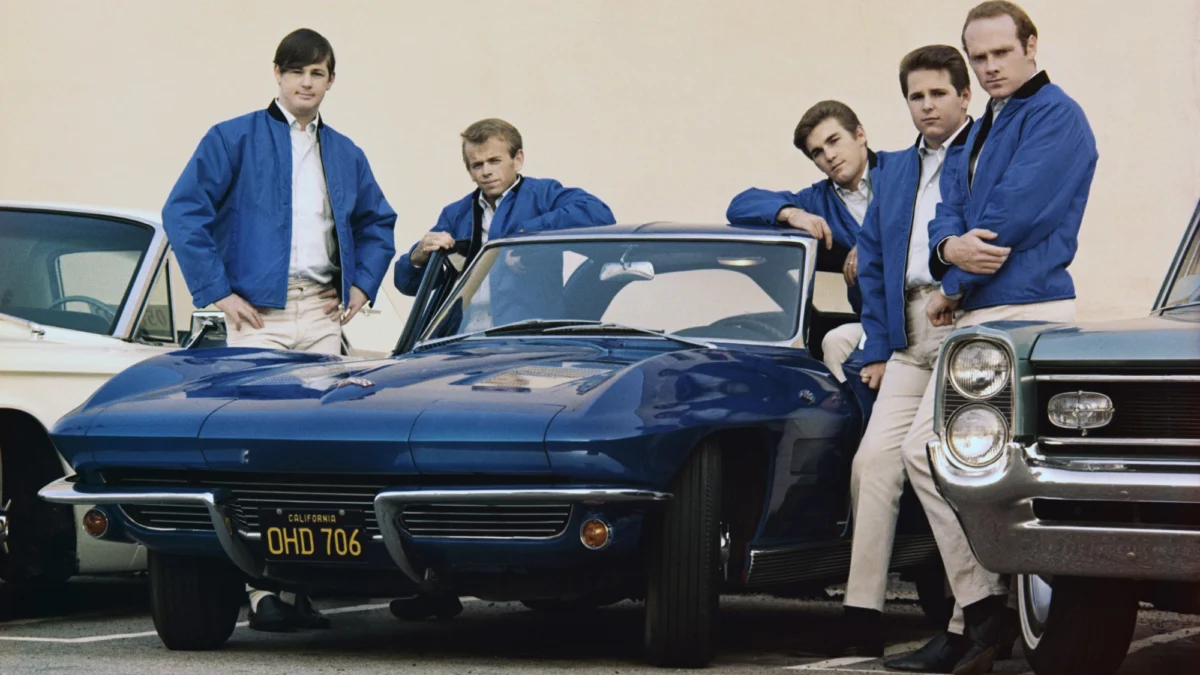
Released in August 1963 as the title track of their third studio album, "Surfer Girl" stands as a watershed moment for The Beach Boys. Written entirely by co-founder Brian Wilson, the song was more than just another ode to the burgeoning California surf culture; it was a complex harmonic achievement that signaled Wilson’s transition from a talented band member to a visionary studio auteur.
According to music historians and archival accounts, Wilson was just 19 years old when he conceptualized the song’s melody. The inspiration behind the track is rooted in an unexpected place: the 1940 Walt Disney animated film Pinocchio. While driving, Wilson found himself humming the melody of the classic Disney tune "When You Wish Upon a Star," adapting its sweeping, nostalgic cadence into a completely new composition centered on youthful romance and coastal lifestyle. The resulting lyric—“Do you love me, do you, surfer girl? / Surfer girl, my little surfer girl”—was deceptively simple, yet it was wrapped in sophisticated, four-part vocal arrangements heavily influenced by the vocal jazz group The Four Freshmen.
Beyond its artistic merit, "Surfer Girl" marked a crucial behind-the-scenes milestone for the band. For the first time in his young career, Brian Wilson received official credit as a record producer. This responsibility gave him unprecedented creative control over the group’s output. Wilson went on to write or co-write all 12 tracks on the Surfer Girl LP, establishing a meticulous work ethic in the recording studio that would eventually yield masterpieces like Pet Sounds. Music critics have long analyzed the track as a foundational blueprint for the California Sound, blending the innocence of early rock and roll with an emotional depth that elevated pop music into high art.
Urban Grit and Resilience: The Drifters and "On Broadway"
While The Beach Boys were romanticizing the sun-drenched shores of the Pacific, The Drifters were capturing the harsh realities of the East Coast entertainment industry with their soaring 1963 single, "On Broadway." Written by the powerhouse songwriting team of Barry Mann, Cynthia Weil, Jerry Leiber, and Mike Stoller, the track functioned as both a cautionary tale and an anthem of indomitable human resilience.
Recorded at Atlantic Records under the guidance of legendary producers Leiber and Stoller, "On Broadway" featured a sophisticated blend of rhythm and blues, orchestral instrumentation, and a distinctive, driving guitar line played by a young studio musician named Phil Spector. The lyrics chronicled the trials of a struggling transplant trying to make it in New York City:
"They say that I won’t last too long on Broadway / On Broadway / I’ll catch a Greyhound bus for home, they all say / On Broadway / But oh, they’re dead wrong, I know they are / ’Cause I can play this here guitar / And I won’t quit till I’m a star on Broadway."
The song struck a chord with listeners during a time of significant socioeconomic transition in American cities. It quickly climbed the Billboard charts, cementing its status as a Top 10 hit for The Drifters. The track’s universal message of perseverance resonated across generations, paving the way for future adaptations. Fifteen years after its initial release, jazz-fusion guitarist George Benson breathed new life into the composition. Benson’s 1978 rendition transformed the R&B classic into an energetic, groove-heavy crossover hit, propelling the song back into the Top 5 and introducing its timeless narrative to a disco-era audience.
The Crossover Appeal of Country Melancholy: Bobby Bare’s "500 Miles Away From Home"
While pop and R&B dominated the coastal airwaves in 1963, country music was undergoing its own commercial expansion through crossover hits that appealed to mainstream listeners. Among the most successful of these was Bobby Bare’s poignant recording of "500 Miles Away From Home."
Originally written by folk artist Hedy West—whose version first appeared on the self-titled debut album of folk group The Journeymen in 1961—the song found its definitive commercial vehicle when Bare recorded it for his own inaugural LP. The track’s haunting chorus captured the universal ache of displacement and homesickness:
"Away from home, away from home / Cold and tired and all alone / Yes, I’m five hundred miles / Away from home."
Bare’s emotive delivery struck a powerful chord with an American public increasingly mobile due to postwar economic shifts, interstate highway construction, and military deployment. The strategy of bridging folk songwriting with mainstream country production proved to be a massive commercial triumph. "500 Miles Away From Home" shattered genre boundaries, simultaneously climbing into the Top 10 across multiple Billboard listings, including the Hot 100, the Adult Contemporary chart, and the Hot Country Songs chart.
The song’s enduring legacy is further evidenced by its extensive global reach and adaptation history. Over the decades, "500 Miles Away From Home" has been interpreted by a diverse array of artists, including pop icons Sonny & Cher and acclaimed country singer Rosanne Cash. Moreover, the composition transcended linguistic barriers. Translated variants of the song were released internationally, finding dedicated audiences in countries such as China, India, and Japan, where the themes of isolation and longing proved universally understood regardless of language.
Chronological Overview of 1963’s Musical Landscape
To fully understand the cultural weight of these three releases, it is helpful to examine the chronological progression of the American music industry throughout 1963:
- Early 1963: The transitional phase of early sixties pop continues, with vocal groups and Brill Building songwriters dominating the charts. Folk revival movements led by artists like Hedy West and The Journeymen bring traditional themes of travel and hardship into urban coffeehouses.
- Spring 1963: The Drifters release "On Broadway," capturing the competitive spirit of the New York music scene. The single rapidly ascends the national charts, demonstrating the commercial viability of socially conscious rhythm and blues.
- Summer 1963: Brian Wilson steps into his role as a producer, guiding The Beach Boys through the recording sessions for "Surfer Girl." The single capitalizes on the rising nationwide obsession with surf culture just months before the British Invasion reshapes the global pop landscape.
- Fall 1963: Bobby Bare achieves mainstream crossover success with "500 Miles Away From Home," proving that traditional Appalachian folk motifs can dominate pop, adult contemporary, and country formats concurrently.
- Late 1963 and Beyond: These foundational recordings solidify their places in broadcast history, providing the structural bedrock for subsequent decades of pop, rock, and country songwriting.
Broader Impact and Cultural Legacy
The enduring popularity of "Surfer Girl," "On Broadway," and "500 Miles Away From Home" offers valuable insight into the mechanics of mid-century popular music production and consumption. Each track represented a different facet of the American experience—youthful escapism, urban ambition, and rural nostalgia—curated by artists who pushed the boundaries of their respective genres.
From an analytical standpoint, these songs exemplify the era’s fluid movement between folk, pop, and rhythm and blues. Brian Wilson’s meticulous arrangement techniques on "Surfer Girl" helped transform pop music from a disposable youth commodity into a respected studio art form. Similarly, the collaborative songwriting process behind "On Broadway" showcased the brilliance of the Brill Building system, where professional lyricists and composers manufactured anthems that spoke directly to the working-class realities of the urban populace. Meanwhile, Bobby Bare’s triumph with "500 Miles Away From Home" demonstrated the immense market potential of crossover appeal, dismantling the strict genre silos that had historically separated country music from the pop mainstream.
Decades after their initial pressings on vinyl, these three 1963 releases continue to be studied by musicologists, sampled by contemporary producers, and cherished by listeners who remember the golden age of analog recording. As physical copies give way to digital preservation and streaming algorithms, the cultural footprint of these tracks remains undiminished—a testament to the enduring power of exceptional songwriting, pristine vocal harmonies, and authentic emotional expression.