
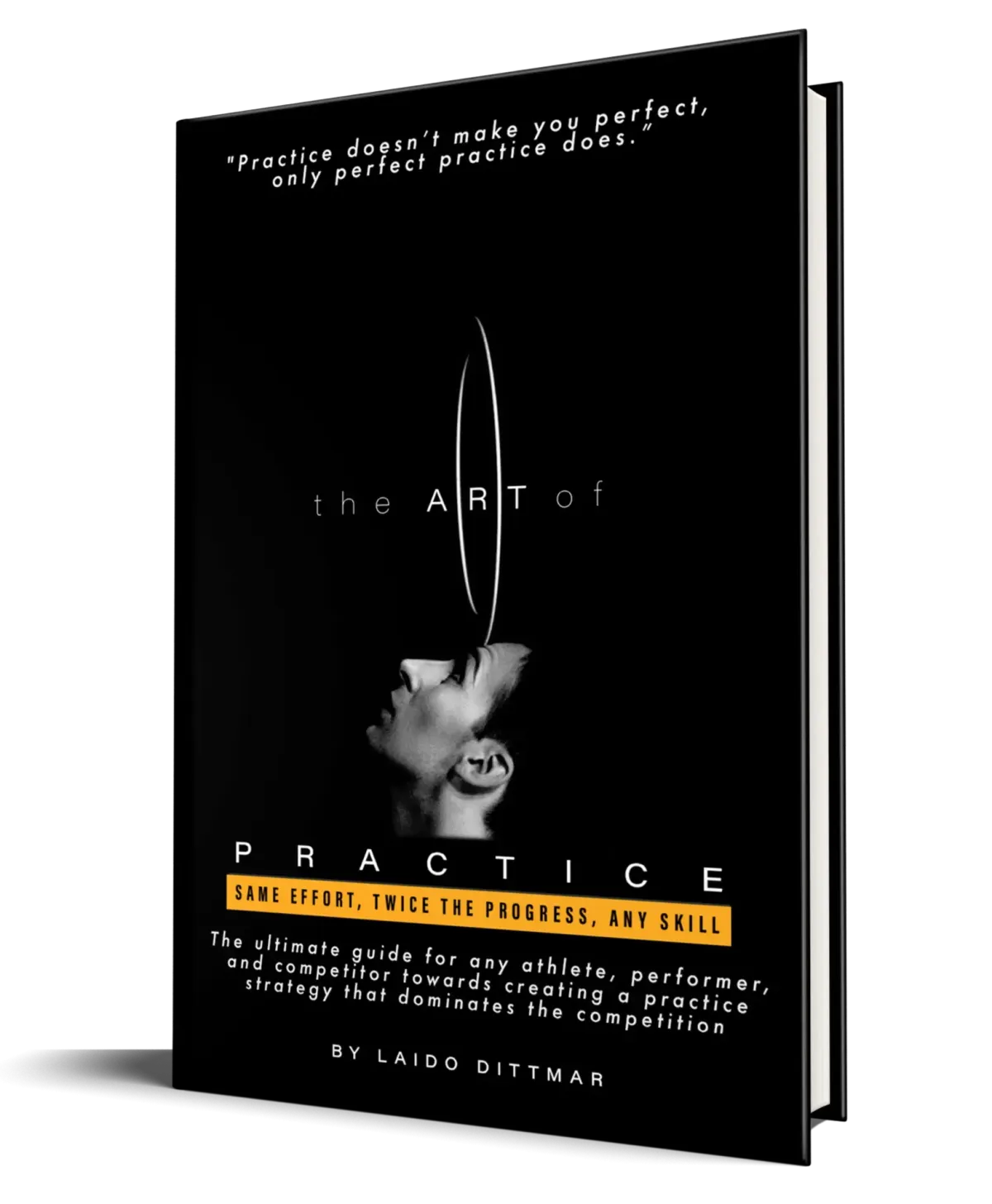
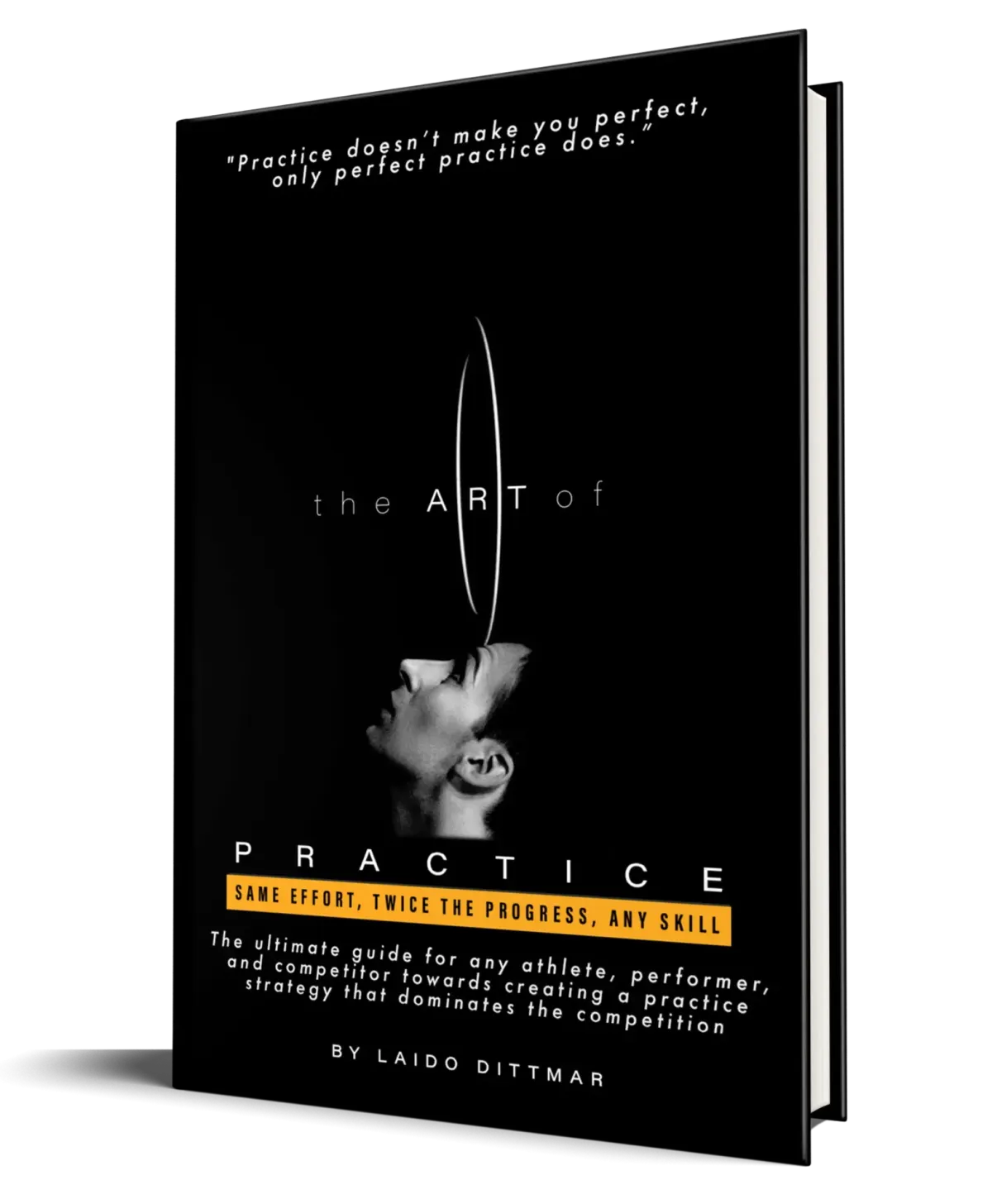
A Paradigm Shift in Skill Acquisition
Dittmar’s latest offering emerges as a significant contribution to the literature on performance psychology, challenging long-held beliefs about the nature of practice and skill development. While his initial work, Fast Juggling Success, focused specifically on the intricacies of juggling, The Art of Practice broadens its scope, arguing that the underlying principles of accelerated improvement are universal. The core premise, encapsulated in its subtitle, is that individuals can achieve "Twice the Progress" with the "Same Effort" in "Any Skill," provided they adopt a fundamentally different approach to their training regimen. This audacious claim is not rooted in mere speculation but in a decade of refined observation, analysis, and practical application.
The book’s release in 2026 marks a culmination of Dittmar’s journey, which began with his personal quest for mastery. His findings resonate with a global audience seeking to optimize their learning curves in an increasingly competitive and skill-dependent world. The review by Eric Shibuya, whose background as a PhD in political science and a veteran juggler lends both academic rigor and practical understanding, provides a crucial endorsement from within the community that first witnessed Dittmar’s insights. Shibuya’s personal testimony regarding the efficacy of Dittmar’s methods in overcoming his own juggling plateaus offers compelling evidence of the system’s transformative potential.
The Genesis of a Revolutionary Method: Laido Dittmar’s Quest
Laido Dittmar’s unique perspective on skill acquisition is deeply rooted in his personal history and professional background. Hailing from a multigenerational circus family, Dittmar was immersed in a world where exceptional physical prowess and artistic mastery were daily norms. However, unlike many born into such legacies, he discovered juggling relatively late, at the age of 17. This late start, by circus standards, ignited a profound quest within him: how to accelerate his improvement to catch up with peers who had been training since childhood. This urgency propelled him to seek out and interview some of the most accomplished circus performers of his time, individuals who embodied mastery and seemingly effortless skill.
Dittmar’s initial approach was straightforward: he posed two deceptively simple questions to these elite practitioners: "How did you get so good?" and "How can I do it too?" The responses, however, proved to be largely unhelpful. As Dittmar recounts, the answers were often vague, filled with platitudes about "focus," "dedication," and "hard work," offering little in the way of actionable strategies. This pattern led Dittmar to a critical realization: asking those he termed "Naturals" – individuals who seemingly acquired skills with inherent ease – how they improved was inherently flawed. Their intuitive process was so ingrained that they often couldn’t articulate the precise mechanisms of their learning. They "just did it," naturally.
This insight marked a pivotal turning point in Dittmar’s research. He understood that the "secret" of the Naturals wasn’t to be found by asking them, but by watching them. He shifted his methodology from interviews to meticulous observation, analyzing the actual practice habits of these high-achievers. This empirical approach, focusing on observable behaviors rather than subjective explanations, allowed him to distill their seemingly effortless mastery into a concrete, replicable system. The culmination of this decade-long observational study and iterative refinement is presented comprehensively in The Art of Practice.
Unpacking the "Natural" Advantage: Focus on Progress, Not Just Practice
At the heart of Dittmar’s groundbreaking analysis lies a fundamental distinction between practice and progress. He posits that most individuals, whom he refers to as "non-Naturals," spend the majority of their time "practicing" what they already know how to do, often within the comfortable confines of their established routines. While this might create a feeling of improvement or maintenance, Dittmar argues it fundamentally hinders true progress. Instead, Naturals, by his observation, adopt a radically different approach:
"Naturals don’t begin with the 99% of tasks they already can do, but start with the 1% they haven’t mastered yet, as soon as it’s physically safe and possible to do." (p.50)
This "1% rule" is the cornerstone of Dittmar’s methodology. It emphasizes a relentless focus on the edge of one’s capabilities, constantly seeking out and engaging with challenges that lie just beyond the current skill level. The objective is not merely to drill existing moves ad infinitum but to actively push boundaries and expand the repertoire of mastered skills. Dittmar convincingly argues that this focused pursuit of improvement inherently safeguards existing skills: "As long as what you’re practicing is similar in nature and more difficult than before, your routine-level skills are safe from decay" (p.64).
The concept of the "comfort zone" is central to Dittmar’s critique of conventional practice. He asserts that while it offers security, it is antithetical to growth: "All long-term positive changes in your life will happen outside your comfort zone, all of them" (p.80). This principle, widely recognized in psychology and personal development, is vividly applied to skill acquisition. Non-Naturals, by repeatedly performing what they already know, remain ensnared within this comfort zone, inadvertently stifling their potential for advancement.
Furthermore, Dittmar highlights the efficiency and intentionality of Naturals’ practice. They are not merely performing; they are testing and exploring. "Professionals test and explore their limits while amateurs guess and work by assumption" (p.94). This strategic approach allows Naturals to precisely identify their current boundaries, ensuring they allocate their energy to the most impactful areas for development. The legendary juggler Anthony Gatto, often cited as a quintessential Natural, corroborates this, noting that when fatigue sets in, one simply starts "practicing mistakes." This underscores the importance of purposeful, focused effort over prolonged, unfocused repetition.
It is also critical to note that Dittmar’s system is not about abandoning fundamentals entirely. Naturals, while pushing limits, are also acutely aware of skill atrophy. As noted in Jonah Botvinick-Greenhouse’s article on long-term practice structure, even experts return to earlier fundamentals if they perceive a decline in those foundational skills. This nuanced understanding ensures that while the focus is on progression, the bedrock of one’s ability remains robust.
Deliberate Practice and Cognitive Science: The Underpinnings
Dittmar’s observations align remarkably well with established principles of cognitive science and performance psychology, particularly the concept of "deliberate practice" championed by psychologist K. Anders Ericsson. Ericsson’s research, which popularized the notion of the "10,000-hour rule" (though often oversimplified), emphasizes that expert performance is largely a product of structured, purposeful practice designed to improve specific aspects of performance. Key components of deliberate practice include:
- Focused Attention: Concentrating intensely on the task at hand.
- Specific Goals: Clearly defined objectives for each practice session.
- Immediate Feedback: Receiving prompt and accurate information on performance.
- Pushing Beyond Comfort Zones: Engaging with tasks that are challenging but achievable.
Dittmar’s "1% rule" and his emphasis on operating outside the comfort zone are direct echoes of these principles. By actively seeking out and mastering the unmastered 1%, practitioners engage in the kind of targeted, high-effort learning that neuroplasticity research indicates is essential for forging and strengthening new neural pathways. The brain’s ability to reorganize itself in response to new experiences and learning is precisely what allows for skill acquisition, and Dittmar’s method provides a practical framework for leveraging this biological capacity.
Moreover, the psychological framework of a "growth mindset," developed by Carol Dweck, finds practical application in Dittmar’s work. A growth mindset, the belief that abilities can be developed through dedication and hard work, stands in stark contrast to a fixed mindset, which assumes abilities are innate and unchangeable. By focusing on progress and actively tackling challenges, Dittmar’s method implicitly cultivates a growth mindset, empowering individuals to believe in their capacity for continuous improvement regardless of their perceived "natural" talent. This synthesis of empirical observation with robust scientific theory strengthens the validity and transformative potential of The Art of Practice.
A Reviewer’s Validation: Eric Shibuya’s Personal Experience
The credibility of The Art of Practice is significantly bolstered by the personal testimony of its reviewer, Eric Shibuya. As Editor-in-Chief of eJuggle and a juggler with over 40 years of experience, Shibuya possesses a deep understanding of skill development within the juggling community. Crucially, Shibuya identifies himself as a "very ‘non-Natural’," making his success with Dittmar’s methods particularly compelling. His candid admission highlights the universal applicability of the system beyond those who might possess innate advantages.
Shibuya recounts his experience applying Dittmar’s concepts from the earlier Fast Juggling Success. He reveals a common pitfall for many practitioners: stagnation in advanced skills, often masked by diligent practice of easier, already mastered routines. Specifically, he notes, "My own six ball practice had long stagnated and I was clearly wasting energy running five balls because it ‘felt’ like I was improving." This anecdotal evidence perfectly illustrates Dittmar’s core argument about the illusion of progress within the comfort zone.
By adopting Dittmar’s targeted approach, Shibuya experienced a breakthrough: "I made more progress using Dittmar’s methods than I ever had before." This direct, quantifiable improvement in a challenging skill like six-ball juggling serves as a powerful endorsement. His subsequent honest self-assessment – "My current lack of improvement can simply be attributed to not practicing six at all" – further underscores the continuous effort required and validates the principle that sustained progress demands consistent engagement with the "1%." Shibuya’s review is not just an academic critique but a personal validation of a system that tangibly transformed his own skill trajectory.
The Broader Landscape of Performance Psychology and Juggling Literature
The Art of Practice does not exist in a vacuum; it builds upon and contributes to a rich body of literature in both the specialized world of juggling and the broader field of performance psychology. Within the juggling community, Dittmar’s work finds parallels with other notable contributions focused on structured practice. Ben Cornish’s 2022 publication, Juggling and the Art of Practice, and Jason Garfield’s Juggling: Fundamental Exercises and Practice Structure, both emphasize systematic approaches to training. Dittmar’s book distinguishes itself by offering a more universal philosophical framework that transcends specific juggling techniques, distilling the very essence of efficient learning. While Cornish and Garfield provide invaluable practical exercises and structures, Dittmar offers the overarching mindset and strategy for maximizing their effectiveness.
Beyond juggling, The Art of Practice resonates deeply with classic and contemporary works in sports and performance psychology. It shares a philosophical lineage with Timothy Gallwey’s seminal 1974 work, The Inner Game of Tennis, which revolutionized thinking about mental obstacles in performance and the concept of "self-1" (the conscious, critical mind) and "self-2" (the unconscious, intuitive self). Both Gallwey and Dittmar advocate for strategies that minimize internal interference and maximize an individual’s innate learning capacity. Similarly, Alice Pinion’s The Match Dart Mindset explores the psychological components of high-level performance, echoing Dittmar’s emphasis on mental frameworks for improvement.
The universal applicability of Dittmar’s principles is further evidenced by the diverse range of testimonials featured on the book’s website. Practitioners from fields as varied as ballroom dancing, Brazilian Jiu-Jitsu, and ice skating attest to the efficacy of his system in their respective disciplines. This cross-disciplinary adoption underscores the idea that the fundamental mechanisms of human learning and mastery are largely consistent, regardless of the specific skill being pursued. Dittmar’s framework provides a common language and actionable strategies for anyone committed to accelerated development.
Analyzing the "Naturals" Term: A Critical Perspective
While Dittmar’s use of the term "Naturals" serves a practical purpose within his analytical framework, the reviewer, Eric Shibuya, rightly includes a crucial footnote addressing its potential implications. The term, while useful for distinguishing individuals who seem to acquire skills with less apparent struggle, "may diminish the actual work many of them do to improve and perfect their art." This is an important nuance. The popular perception of "natural talent" can often overshadow the immense dedication, countless hours of practice, and often superior coaching that even the most gifted individuals undertake.

The critique highlights that "any prodigy starts from an advanced position compared to others, but they still have to do the work." This aligns with contemporary research in expertise, which increasingly emphasizes the role of deliberate practice and environmental factors over purely innate talent. While genetic predispositions might provide a head start in certain areas (e.g., physical attributes for a dancer, cognitive processing speed for a chess player), sustained excellence is almost invariably a product of intensive, purposeful effort.
The footnote also wisely points out the enduring value of good coaching, even for Naturals, citing examples such as Nick and Anthony Gatto, and Albert Moreira and Albert Lucas. These anecdotes underscore that even those with exceptional aptitude benefit profoundly from expert guidance, structured training, and external feedback. Furthermore, the observation that "with time and thought, Naturals can better answer Dittmar’s original questions" as they evolve into coaches themselves (e.g., Albert Lucas) suggests that the implicit knowledge of a Natural can, over time, become explicit and teachable. This critical perspective enriches Dittmar’s framework, acknowledging its utility while encouraging a more holistic understanding of talent, effort, and mentorship in the journey to mastery.
Implications for Education, Training, and Personal Growth
The implications of The Art of Practice extend far beyond the individual practitioner, offering transformative potential for education, professional training, and broader societal development. In educational settings, Dittmar’s methodology suggests a powerful shift from curricula focused on rote learning and the repetitive reinforcement of already known concepts to one that continually challenges students with the "1%" of unmastered material. This could foster deeper engagement, critical thinking, and a genuine love for learning by consistently placing students at the edge of their cognitive capabilities. Educators might design assignments and projects that deliberately push students outside their comfort zones, providing structured support for tackling novel challenges.
For sports training, the book provides a robust framework for optimizing practice sessions. Instead of generic drills, coaches could implement highly personalized regimens that identify each athlete’s specific areas of weakness (their 1%) and design exercises to directly address them. This could lead to more efficient use of training time, reduced burnout from repetitive, unchallenging tasks, and ultimately, higher levels of performance. Teams and individual athletes could see accelerated skill development and a more strategic approach to competition preparation.
In professional development, Dittmar’s principles can encourage a culture of continuous learning and innovation. Employees could be empowered to proactively seek out new skills and challenges, rather than merely maintaining existing competencies. This shift could drive organizational growth, foster adaptability in rapidly changing industries, and enhance problem-solving capabilities by encouraging professionals to constantly expand their expertise beyond their current job descriptions. Companies might invest in training programs that encourage experimental learning and reward efforts to tackle novel, complex problems.
On a personal growth level, The Art of Practice offers a compelling roadmap for anyone seeking to break through plateaus in hobbies, personal projects, or life skills. Whether learning a new language, mastering a musical instrument, or developing a new craft, the book provides the mental framework to approach these endeavors with greater efficiency and purpose. It empowers individuals to take agency over their learning journey, transforming frustration into focused effort and ultimately achieving mastery more rapidly. The promise of "Same Effort, Twice the Progress" holds significant appeal in a world where time is a precious commodity, offering a pathway to unlock latent potential across all facets of life.
Accessibility and Formatting Considerations
The Art of Practice is widely accessible, being released in multiple formats: ebook, print, and audiobook. This ensures that the valuable insights contained within can reach a broad audience with varying preferences for consumption. A notable feature of the audiobook is that it is read by Laido Dittmar himself, which can enhance the listener’s connection to the material, conveying the author’s intended emphasis and passion directly.
However, the reviewer, Eric Shibuya, points out a minor formatting critique regarding the audiobook: "I do wish the audiobook had come with—at least—chapter divisions across its 6+ hour duration." This practical feedback highlights a common challenge in audiobook production. While Dittmar’s voice narration provides an authentic experience, the absence of clear chapter markers in a lengthy audiobook can hinder navigation, making it difficult for listeners to revisit specific concepts or break down their listening into manageable segments. For a book focused on systematic improvement, ease of reference is paramount, and future editions or digital updates could benefit from addressing this minor but impactful point. Despite this small criticism, the availability across platforms ensures that the transformative message of The Art of Practice is readily available to a global readership.
Conclusion: A Mandate for Efficient Mastery
Laido Dittmar’s The Art of Practice: Same Effort, Twice the Progress, Any Skill stands as an extremely valuable and timely addition to the literature on the psychology of practice and personal improvement. Building upon his earlier work and a decade of meticulous observation, Dittmar has distilled complex learning processes into an actionable, universally applicable system. His core insight—the critical distinction between merely "practicing" what is known and actively pursuing "progress" by engaging with the unmastered 1%—offers a profound reorientation for anyone seeking to accelerate their skill development.
The book’s principles, validated by the personal experience of reviewer Eric Shibuya and aligning with established cognitive science, promise tangible benefits for practitioners across all disciplines. From its roots in the demanding world of circus performance to its application in diverse fields like dance, martial arts, and music, Dittmar’s methodology provides a clear pathway to more efficient and effective learning.
For jugglers, in particular, Dittmar’s foundational community, this work is not merely recommended but should be considered required reading. In a community often characterized by dedication but also susceptible to plateaus, The Art of Practice offers a strategic advantage. It equips individuals with the mindset and tools to maximize their limited practice time, ensuring that every moment spent is a step towards genuine mastery. Laido Dittmar has not just written a book; he has provided a mandate for intentional, accelerated mastery in any skill one chooses to pursue.