
The latter part of the 1970s stands as one of the most creatively fertile and commercially successful epochs in the history of modern recorded music. Spanning the crossover between classic rock, soulful R&B, and Southern boogie, the musical landscape of 1977 yielded an extraordinary volume of enduring compositions. Among these, three distinct tracks released that year—Fleetwood Mac’s "You Make Loving Fun," Stevie Wonder’s "Another Star," and The Marshall Tucker Band’s "Heard It In A Love Song"—captured the cultural zeitgeist while demonstrating exceptional songwriting craftsmanship. Decades after their initial release on vinyl and cassette, these tracks remain staples of classic radio formats, streaming playlists, and cultural memory.
A Retrospective on the Musical Landscape of 1977
To understand the cultural weight of these 1977 releases, one must examine the broader socio-musical environment of the late 1970s. The music industry was experiencing a period of massive corporate expansion, alongside a grassroots counter-movement that would soon give birth to punk rock and new wave. Yet, mainstream radio was dominated by sophisticated studio productions, highly polished singer-songwriters, and expansive album-oriented rock (AOR). Artists were given unprecedented studio time and creative freedom by record labels, resulting in dense, layered arrangements that prioritized artistic depth alongside commercial viability.
The year 1977 specifically acted as a bridge between the introspective singer-songwriter era of the early 1970s and the high-gloss, synthesized pop era of the 1980s. Within this transitional window, veteran acts and newly coalesced supergroups alike produced career-defining masterworks. The three tracks under examination—representing pop-rock, Latin-infused R&B, and Southern rock—exemplify the diverse sonic palette that defined the period.
Fleetwood Mac and the Creative Breakthrough of Christine McVie
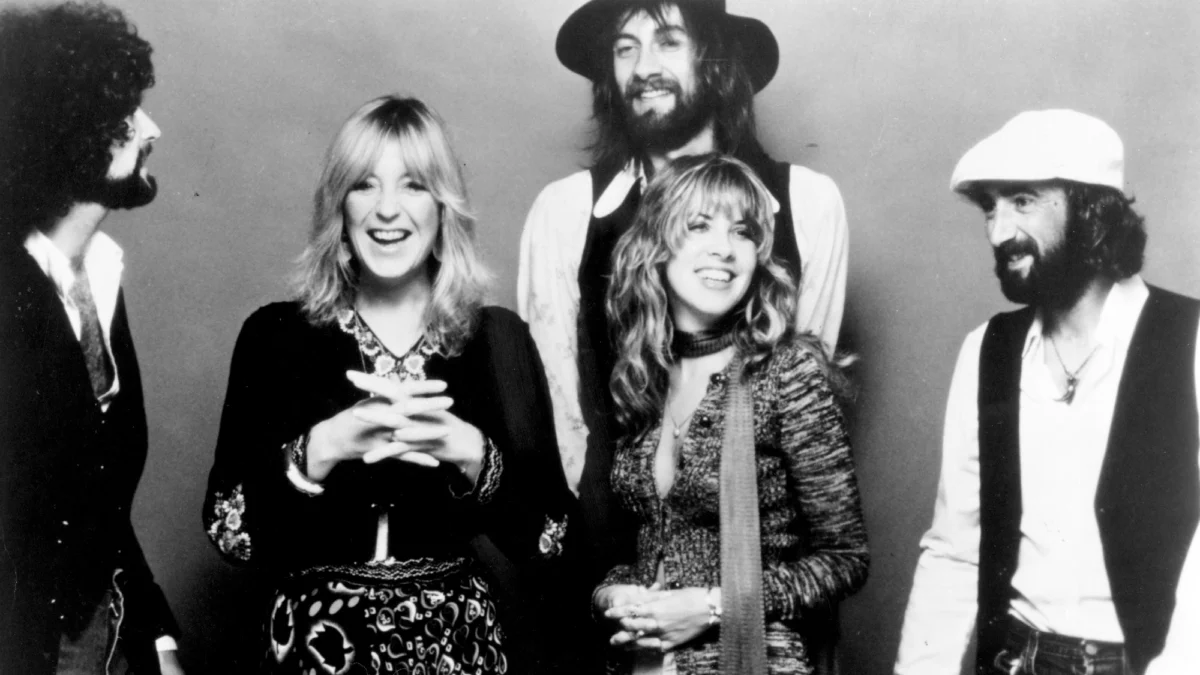
Among the most formidable commercial forces of the era was Fleetwood Mac, a band that achieved legendary status through interpersonal turmoil and relentless creative output. Released as part of their diamond-certified 1977 studio album, Rumours, the track "You Make Loving Fun" served as a vibrant cornerstone of the record. Penned entirely by keyboardist and vocalist Christine McVie, the feel-good tune radiated an infectious optimism that contrasted sharply with the turbulent romantic breakups occurring among other band members at the time.
The lyrics of the track capture a straightforward, uplifting sentiment, most notably reflected in the chorus: "You, you make loving fun / It’s all I wanna do / You, you make loving fun / It’s all I wanna do." Despite the effortless groove and radio-friendly sheen of the final recording, McVie’s journey to writing the song was fraught with intense creative anxiety.
Industry analysts and music historians frequently point to the immense pressure placed on artists following sudden, massive commercial success. For McVie, that pressure manifested as a severe case of writer’s block during the pre-production and recording sessions for Rumours at the Record Plant in Sausalito, California.
"I thought I was drying up," McVie later conceded in interviews regarding the intense sessions. "I was practically panicking because every time I sat down at a piano, nothing came out. Then, one day… I just sat down and wrote in the studio, and the four-and-a-half songs of mine on the album are a result of that."
Chronology and Subsequent Milestones for Fleetwood Mac
Following the monumental success of Rumours, Fleetwood Mac entered an unusual scheduling cycle. "You Make Loving Fun" stood as the band’s final single release for an extended period, as the group did not issue any new singles throughout the entirety of 1978. Instead, the band retreated into the studio to craft their famously avant-garde, double-album follow-up, Tusk, which arrived in 1979 and yielded another Top 10 single.
The legacy of "You Make Loving Fun" has extended far beyond its initial radio run. Decades later, the track continues to inspire interpretations across multiple genres. In 2024, the mainstream country music group Lonestar released a faithful yet distinct country version of the song, demonstrating the cross-genre durability and timeless compositional integrity of McVie’s original 1977 writing.
Stevie Wonder’s Rhythmic Masterclass with Another Star
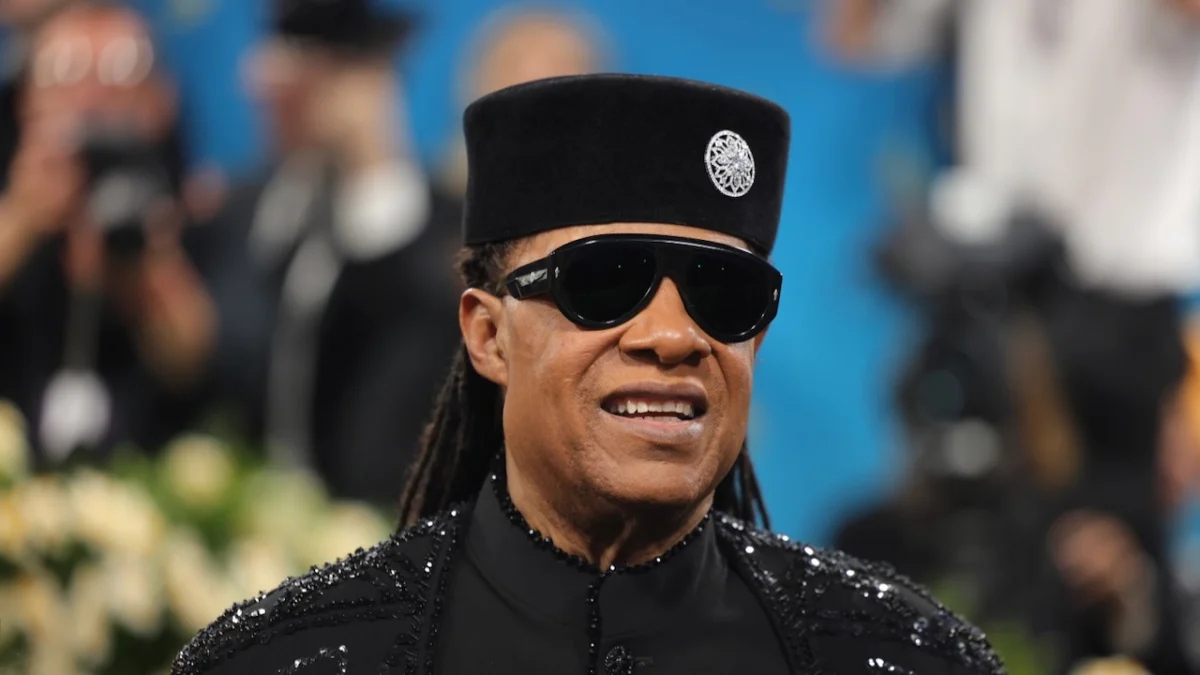
While Fleetwood Mac dominated the rock and pop charts, the R&B and soul landscapes were being permanently elevated by Stevie Wonder. In 1976, Wonder released Songs In The Key Of Life, a monumental double album (with an additional four-track bonus EP) that is frequently cited by critics and musicians as one of the greatest artistic achievements in popular music history. Within this sprawling masterwork lies "Another Star," an upbeat, Latin-infused composition written entirely by Wonder.
The track’s poignant lyricism centers on themes of romantic devotion and the search for enduring connection: "For you / There might be a brighter star / But through my eyes the light of you is all I see." Musically, however, the song functions as a complex rhythmic journey, blending American soul traditions with Afro-Cuban percussion, intricate horn arrangements, and driving acoustic instrumentation.
Background Context on Songs In The Key Of Life
The creation of Songs In The Key Of Life represents a legendary chapter in recording history. Having signed an unprecedented, multimillion-dollar contract renegotiation with Motown Records in 1971—granting him complete artistic control—Wonder spent the mid-1970s recording at a methodical, uncompromising pace. He wrote or co-wrote every track on the ambitious project, utilizing a rotating cast of elite session musicians and vocalists.
The album’s tracklist reads as a compendium of American popular music royalty. Alongside "Another Star," Songs In The Key Of Life featured two chart-topping No. 1 singles, "I Wish" and "Sir Duke," as well as "Isn’t She Lovely," which became one of the most recognizable and beloved compositions of the twentieth century, despite never being officially released as a traditional radio single at the time.
Data and Cultural Impact of Wonder’s 1977 Era
The commercial and critical data surrounding Stevie Wonder’s output during this period underscores his unprecedented cultural dominance. Songs In The Key Of Life debuted at No. 1 on the Billboard 200 chart, remaining there for 14 consecutive weeks and becoming only the third album in history to debut in the top spot. It earned the Grammy Award for Album of the Year in 1977, cementing Wonder’s status as a generational musical titan.
"Another Star," while serving as a dynamic album cut and eventual single release, highlighted Wonder’s ability to merge sophisticated jazz-fusion chords with accessible, danceable rhythms. Musicologists have frequently analyzed the track’s structural complexity, noting how Wonder utilized modal jazz progressions to expand the boundaries of contemporary R&B radio programming.
The Marshall Tucker Band and the Southern Rock Ethos
Shifting genres from soul-infused pop to the sun-drenched sounds of the American South, 1977 also proved to be a defining year for The Marshall Tucker Band. Emerging from Spartanburg, South Carolina, the group blended rock, country, rhythm and blues, and extended jazz improvisation into a signature sound that came to define the Southern rock movement alongside contemporaries like The Allman Brothers Band and Lynyrd Skynyrd.
In 1977, the band released their sixth studio album, Carolina Dreams, which featured the standout track "Heard It In A Love Song." Written entirely by the band’s lead guitarist and resident songwriter, Toy Caldwell, the track was chosen as the sole single from the album, a strategic move by Capricorn Records that paid immediate dividends on both pop and country radio formats.
Lyrical Themes of Wanderlust and Independence
"Heard It In A Love Song" captured the classic archetype of the wandering troubadour—a man prone to restlessness and travel, even when faced with the prospect of domestic stability and genuine affection. Caldwell’s lyrics resonated deeply with a generation of listeners experiencing rapid social change and increased geographical mobility: "If I ever settle down / You’d be my kind / And it’s a good time for me / To head on down the line / Heard it in a love song."
The track’s narrative honesty, combined with George McCorkle’s steady rhythm guitar and Doug Gray’s emotive, weathered vocal delivery, gave the song an authentic emotional weight that separated it from manufactured pop hits of the era.
Commercial Analysis and Legacy within Southern Rock
While The Marshall Tucker Band achieved enduring acclaim within the classic rock canon for anthems such as "Can’t You See" and "Fire On The Mountain," commercial chart success had occasionally proved elusive for their longer, jam-oriented compositions. "Heard It In A Love Song" changed that dynamic, becoming the group’s highest-charting single and their only track to break into the Top 20 of the Billboard Hot 100, peaking at No. 14 in the spring of 1977.
The song’s performance data illustrates the crossover appeal that defined the best of late-1970s radio programming. By bridging the gap between progressive rock station formats and mainstream Top 40 broadcasting, The Marshall Tucker Band secured a permanent place in American radio history. Industry analysts note that "Heard It In A Love Song" helped pave the way for the modern country-rock crossover movement that would flourish in subsequent decades.
Fact-Based Analysis of Implications for Modern Music
Looking back from the vantage point of the modern digital streaming era, the enduring popularity of these three 1977 releases offers clear insights into the mechanics of musical longevity. Unlike highly compressed, heavily automated tracks engineered for instantaneous viral consumption, the compositions of Christine McVie, Stevie Wonder, and Toy Caldwell relied on fundamental songwriting pillars: memorable melodic hooks, harmonic richness, and lyrical vulnerability.
Furthermore, the production techniques of 1977—relying heavily on live room acoustics, organic instrumental interplay, and tape-saturation warmth—have increasingly become a gold standard sought after by contemporary producers and audio engineers. As modern listeners continue to gravitate toward authentic musicianship, songs like "You Make Loving Fun," "Another Star," and "Heard It In A Love Song" serve as permanent reminders of a golden age when studio craftsmanship and raw emotional expression intersected on the global stage.
Conclusion: The Lasting Echo of 1977
The latter part of the 1970s will forever be remembered as a transformative crucible for popular music. Through the resilient pen of Christine McVie, the rhythmic genius of Stevie Wonder, and the heartfelt storytelling of Toy Caldwell, the musical output of 1977 provided a soundtrack that transcended its immediate cultural moment. Whether encountered on vintage vinyl records, classic rock radio syndication, or modern digital streaming algorithms, these three compositions continue to resonate because they encapsulate the universal human experiences of love, wanderlust, and artistic perseverance.