

"Listen to them, the children of the night. What music they make!" This iconic line from Bram Stoker’s Dracula has echoed through theaters for decades, yet for the Broadway stage, the "music" of vampires has historically been a discordant affair. That narrative has officially shifted this week as The Lost Boys celebrates a historic milestone: it is now the longest-running vampire-themed musical in Broadway history. Having opened at the Palace Theatre on March 27, the production has surpassed 200 performances, shattering the long-standing industry stigma that suggested the undead could not sustain a long-term commercial life on the Main Stem.
A History of Broadway’s Gothic Struggles
For nearly a century, Broadway producers have been fascinated by the allure of the vampire. The fascination is rooted in the success of the 1927 stage adaptation of Dracula, which famously introduced American audiences to Bela Lugosi’s definitive portrayal of the Count. The play’s subsequent revivals—most notably the 1977 production starring Frank Langella—proved that the material was fertile ground for drama. However, once a musical score and choreography were introduced, the genre’s success rate plummeted.
The history of the "vampire musical" on Broadway is often cited as a cautionary tale in theatrical economics. Before the success of The Lost Boys, the genre was defined by three major, high-profile failures: Dance of the Vampires (2002), Dracula the Musical (2004), and Lestat (2005). Combined, these productions resulted in tens of millions of dollars in losses and served as a deterrent for producers looking to adapt gothic horror for the stage.
Chronology of the Undead: The Failed Predecessors
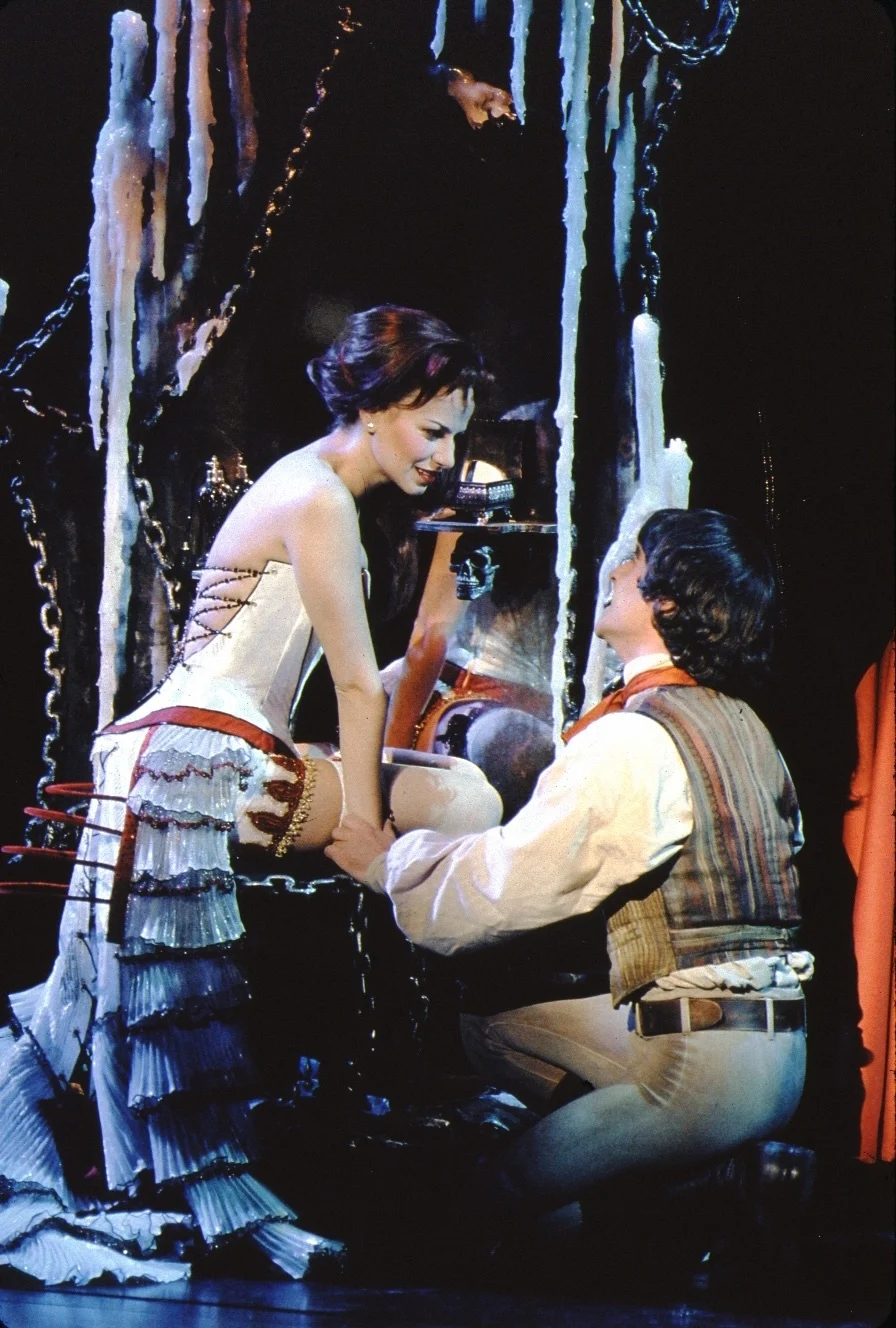
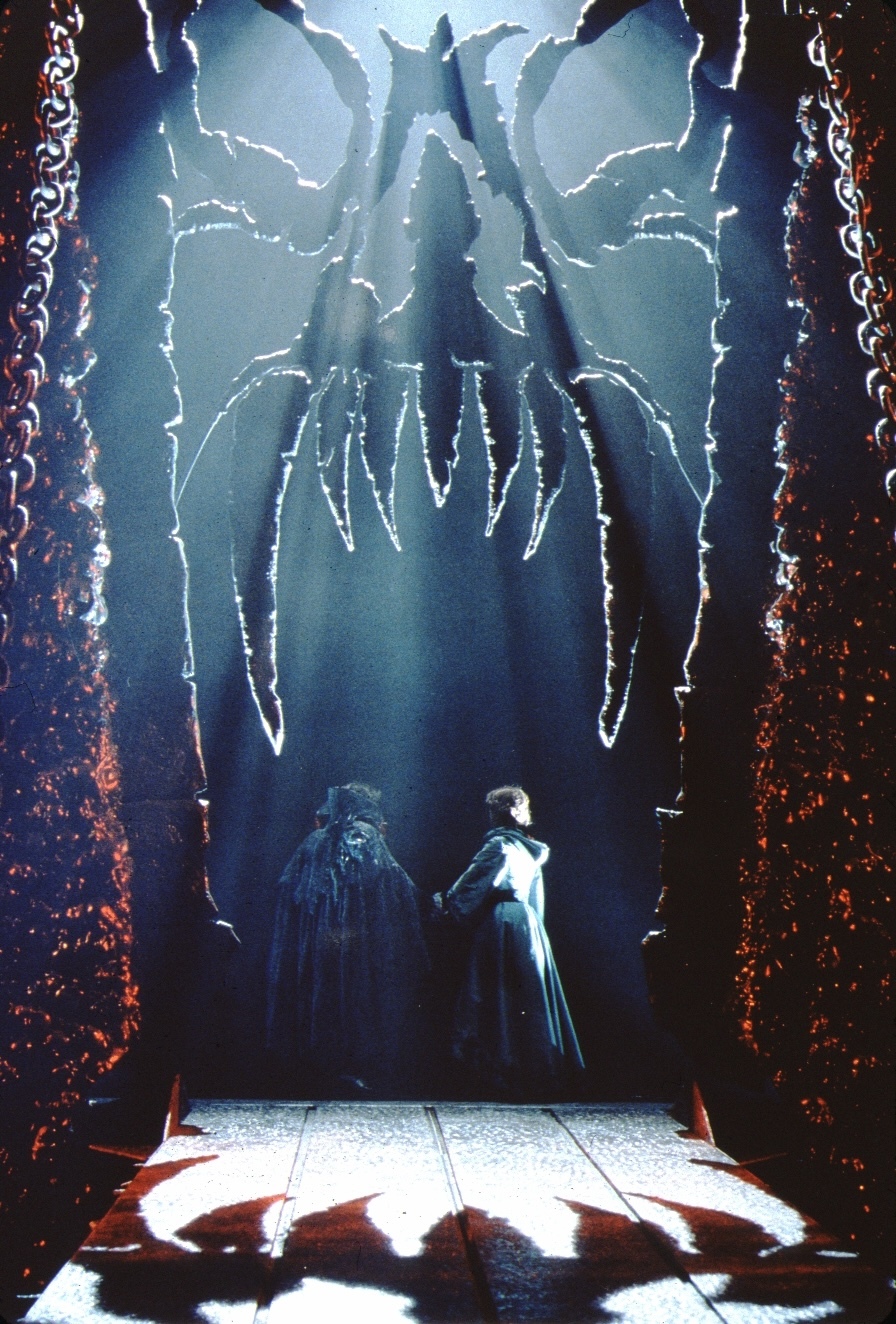
The first major attempt to bring vampires to the musical stage was Dance of the Vampires, a Broadway adaptation of Roman Polanski’s The Fearless Vampire Killers. After a successful run in Vienna as Tanz der Vampire, the production arrived in New York in 2002 facing a chaotic transition. Deprived of its original director’s presence due to legal issues, the show suffered from a tonal identity crisis, pivoting from a dark, gothic romance into a slapstick comedy. Despite a breakout performance by Mandy Gonzalez, who delivered a show-stopping rendition of Jim Steinman’s "Total Eclipse of the Heart," the show closed after 56 performances, resulting in a $12 million loss.

Two years later, Frank Wildhorn’s Dracula the Musical attempted to ground the genre in a more traditional operatic style. Despite high production values and an ensemble cast featuring Kelli O’Hara and Melissa Errico, the show was critically panned for its clunky libretto and derivative score. It shuttered after five months, leaving a $7.5 million deficit in its wake.
The final chapter of this "cursed" era occurred in 2005 with Lestat. Based on the acclaimed Vampire Chronicles by Anne Rice and featuring a score by Elton John and Bernie Taupin, the production initially showed promise during its San Francisco tryouts. However, extensive, uncoordinated revisions mandated by producers led to a disjointed final product. The show closed after only 39 performances. Sir Elton John’s subsequent refusal to release a cast recording effectively erased the musical from the public record, cementing it as one of Broadway’s greatest "what ifs."
Breaking the Cycle: Why The Lost Boys Succeeds
The success of The Lost Boys is not merely a matter of good fortune; it represents a fundamental shift in how Broadway audiences engage with genre fiction. Market analysts have noted that the demographic profile of theatergoers has shifted significantly over the last two decades. Younger audiences, raised on the Twilight saga, True Blood, and the modern television revival of Interview with the Vampire, have a heightened appetite for gothic, supernatural storytelling.
Furthermore, the production’s creative team, led by director Michael Arden, approached the source material with a clear vision that balances the 1987 film’s cult status with the emotional weight of a coming-of-age narrative. Unlike the fractured productions of the early 2000s, The Lost Boys benefits from a cohesive artistic identity. Industry experts credit the casting of Ali Louis Bourzgui and Shoshana Bean with providing the emotional anchor necessary to ground the show’s high-concept fantasy elements.
Data and Financial Implications
The financial trajectory of The Lost Boys offers a stark contrast to its predecessors. While Dance of the Vampires lost $12 million and Dracula lost $7.5 million, The Lost Boys has maintained consistent capacity at the Palace Theatre. The production has utilized modern stage technology—advancements that were not available during the previous failed attempts—to create immersive, realistic effects that satisfy the expectations of a modern, spectacle-driven audience.
The success is also attributed to a shift in production management. By allowing the creative team to maintain a unified vision throughout the rehearsal and preview periods, the producers avoided the "surgical table" approach that famously doomed Lestat. Data from the Broadway League suggests that shows which prioritize thematic consistency and audience-specific genre appeal are seeing higher retention rates in the current post-pandemic climate.
Industry Reaction and Long-Term Impact
The record-breaking run has sent ripples through the theater community. Producers are now reconsidering the viability of "genre-bending" musicals, which were previously deemed too risky. The success of The Lost Boys has, in essence, validated the potential for fantasy, horror, and sci-fi to coexist with the commercial demands of the Broadway proscenium.
"We are witnessing the death of a long-standing Broadway superstition," said one industry analyst. "For years, the ‘vampire curse’ was treated as an immutable law of the box office. The Lost Boys has proven that the audience is not averse to the genre itself; they were simply averse to the lack of narrative focus in previous attempts."
A New Era for Gothic Theater
As Halloweekend approaches, the cast and crew of The Lost Boys are preparing for continued high-demand performances. The show’s ability to weave intricate harmonies with a dark, moody aesthetic has set a new benchmark for stage adaptations. By embracing the earnestness of the genre rather than mocking it or watering it down, the production has effectively captured the spirit of the source material while avoiding the pitfalls of its predecessors.
The impact of this milestone extends beyond the Palace Theatre. It signals to creators that Broadway is ready for darker, more experimental narratives that push the boundaries of what a musical can be. As the theater world looks toward the future, the success of this production suggests that the "music" of the night is finally in tune, and the vampire, it seems, has found a permanent home on Broadway. With a firm foundation and an audience that continues to clamor for the supernatural, The Lost Boys has successfully staked its claim, ending the era of the Broadway vampire curse and beginning a new chapter in musical history.