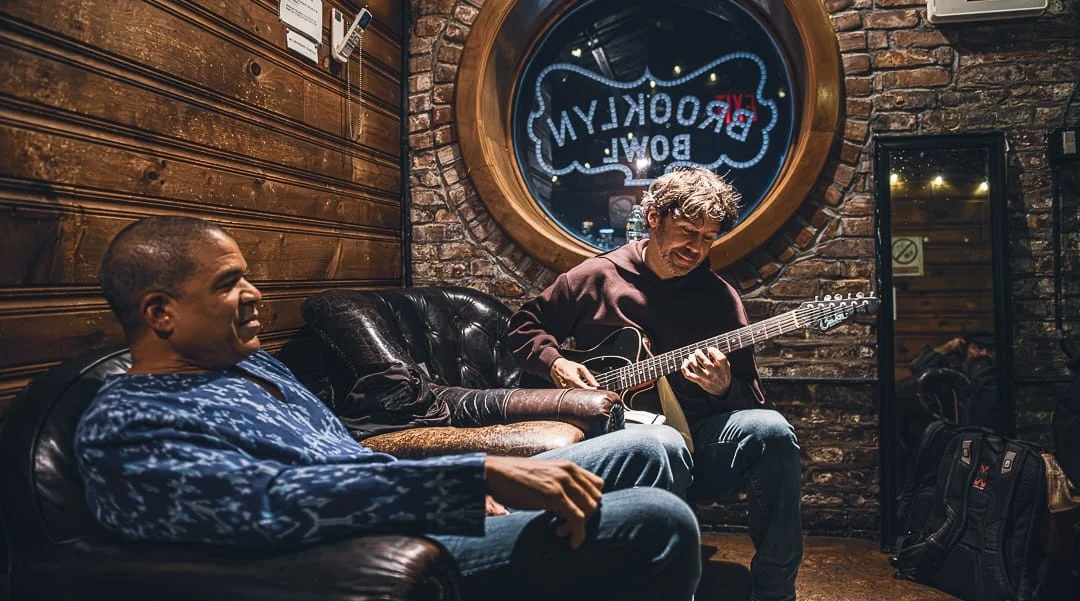

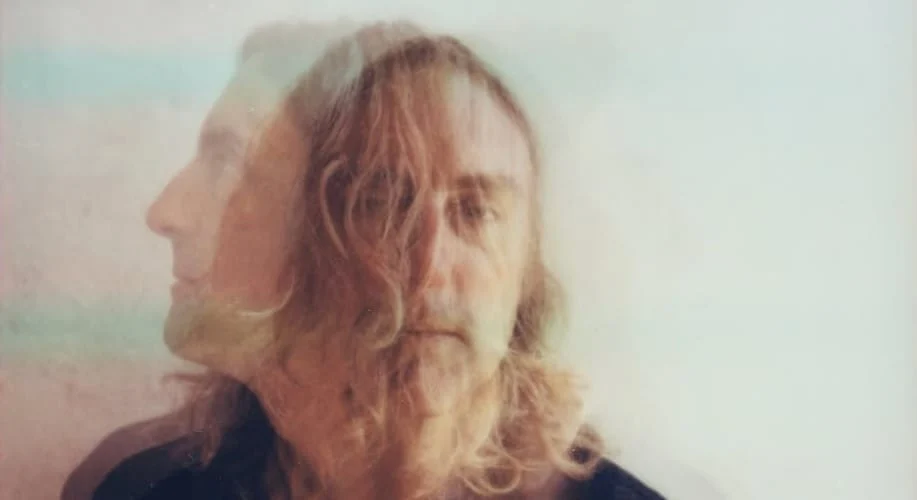
When Carl Broemel first stepped onto the stage at San Francisco’s iconic Fillmore auditorium, he was a 23-year-old musician navigating the grueling, formative years of life in a touring band. As a member of Old Pike, he was the opening act for Ben Folds Five and Travis, peering out from a crowded stage at a room that felt cavernous and intimidating. Nearly thirty years later, the perspective has shifted dramatically. Now a veteran multi-instrumentalist for the acclaimed rock band My Morning Jacket, Broemel has returned to the historic venue not as a fleeting opening act, but as the headline attraction for an ambitious seven-night residency.
The significance of the return is not lost on the 52-year-old musician. "I was in awe of the chandeliers and the venue seemed so huge," Broemel recalls. "That’s the funny thing when you’re in a baby band—every venue seems huge! We barely fit on the stage here with all our equipment now." The contrast between his past and present is underscored by the physical remnants of his career; he notes that a poster from that original Ben Folds Five tour remains displayed in the venue, serving as a tangible bridge between his beginnings and his current status as a stalwart of the American rock scene.
A Chromatic Residency: The Mechanics of the Fillmore Run
My Morning Jacket—comprised of frontman Jim James, drummer Patrick Hallahan, bassist Tom Blankenship, keyboardist Bo Koster, and Broemel—has structured their current San Francisco residency around a unique thematic framework: the colors of the rainbow. Each night of the seven-show run corresponds to a specific hue, with the band tailoring their setlists and stage aesthetics to match. Following the initial red-themed performance, the second night focused on orange, a color Broemel identifies as a personal favorite.
This residency format, which has become increasingly popular among legacy acts seeking to engage dedicated fanbases, allows for a level of setlist experimentation that standard touring does not. With no songs repeated across the seven nights, the band has dipped deep into their extensive catalog, incorporating solo material from Jim James and unexpected covers. Among the highlights was a rendition of the Grateful Dead’s "Sugaree," performed alongside bluegrass guitarist Molly Tuttle.
Broemel acknowledges the inherent pressure in covering legendary material. "Jim got deep into listening to Dead bootlegs recently, so it was his idea to tip our hat to them," he explains. "Sometimes covers are tricky and you feel stupid doing it. Like, I don’t want to be a bad Dead cover band! It takes a couple of times through something to make it your own, but the stakes feel lower in a residency." The collaboration with Tuttle also extended to a cover of Dolly Parton’s "Eagle When She Flies," a nod to the deep-rooted musical heritage that informs Broemel’s own sensibilities.
The Nashville Influence and Musical Lineage
Broemel’s career trajectory is heavily influenced by a childhood surrounded by professional musicianship. His father, Robert Broemel, was a bassoonist with the Indianapolis Symphony Orchestra. Growing up, Carl witnessed the intense discipline required to master an instrument, particularly one as technically demanding as the double-reed bassoon. "Every time I play the saxophone, I feel my dad in there," Broemel reflects. "He poured his heart and soul into it and when you play a double reed instrument, you’re crafting the reeds—buying cane and binding them together. It’s this whole artisanal thing I got to see."
This early exposure to classical music instilled in him a "one-track mind" regarding his own craft. After a brief dalliance with high school sports, which he abandoned due to the dissatisfaction of sitting on the bench, Broemel fully committed to the guitar. His transition into My Morning Jacket was not immediate; following the dissolution of Old Pike, he auditioned for the band to replace departing guitarist Johnny Quaid. He recalls the audition process with Bassist Tom Blankenship with a mix of humility and relief, noting that he was convinced he had failed until Jim James contacted him two days later to confirm his place in the group.
Sustaining Longevity in the Modern Music Industry
As My Morning Jacket approaches its 30th anniversary in 2028, the band’s longevity serves as a case study in interpersonal management and professional sustainability. Broemel attributes the group’s endurance to a commitment to open communication and a willingness to scale back the "grind" of the touring industry.
"We’ve made it through some rocky patches, but we choose to do this still," says Broemel. "If anyone has an issue, we’ll talk about our feelings and try to stay on the same page. It may sound cheesy, but I’m really grateful for it." He further notes that the band has consciously moved away from the unsustainable pace of their earlier years. By limiting the scope of their tours and refusing to "take on more than we can chew," the band has managed to preserve their creative energy.
Central to this shift has been the adoption of cleaner living habits. Broemel admits that the party-centric culture often associated with touring is a recipe for burnout. "If I drink on tour, I’m a mess," he says. "I can’t do both, so I choose tour and I choose the band, and I honestly don’t miss it at all." This sobriety has extended into the studio as well. During the recording of their most recent album, Is, produced by Brendan O’Brien, the band eschewed substance use in favor of a focused, disciplined approach that allowed for faster, more efficient production cycles.
Diversification and Future Endeavors
While My Morning Jacket remains his primary focus, Broemel maintains an active interest in solo and collaborative work, which he believes ultimately enhances his contributions to the band. He points to his work with Tyler Ramsey on the collaboration Celestun as an example of returning to his roots. "I like getting back to focusing on just guitar—no pedals, lights, or drums," he explains. "It’s helped my playing, so when I come back to the band, I’m a little different and enhanced."
This cycle of exploration is reciprocal. The band’s collaborative nature is compared by Broemel to the experience of using a Ouija board: a collective, almost subconscious process where the sum of the parts exceeds the individual input. "I love that feeling of giving part of your control over to other people as the collaboration reveals itself," he notes.
Implications and Upcoming Schedule
The broader implications of the band’s current trajectory suggest a shift toward more deliberate, high-impact project cycles. With Jim James’s recent solo release, Wowed Out, and the ongoing collaborative efforts of the individual members, the band has positioned itself to remain relevant without succumbing to the exhaustion of a perpetual touring cycle.
Following the conclusion of their Fillmore residency on October 11th, the band is scheduled to perform at Suwannee Hulaween in Florida on October 22nd. Their calendar then remains clear until their "One Big Holiday" event in Riviera Maya, Mexico, in January 2027. Despite the gaps in the touring schedule, Broemel confirms that the creative engine is far from idle. "There’s new music brewing for sure," he says. "We did a bunch of rehearsals over the summer and got a bunch of ideas cooking in a folder then, so we’re stoked about that. We’ve set it aside for now to concentrate on this residence, but after that, onwards!"
As My Morning Jacket navigates its fourth decade, the combination of professional maturity, physical health, and creative curiosity suggests that the band is not merely surviving, but actively evolving. For Broemel, the journey from a young guitarist in a struggling band to a seasoned veteran headlining a seven-night stand at The Fillmore is a testament to the endurance of the craft itself.