

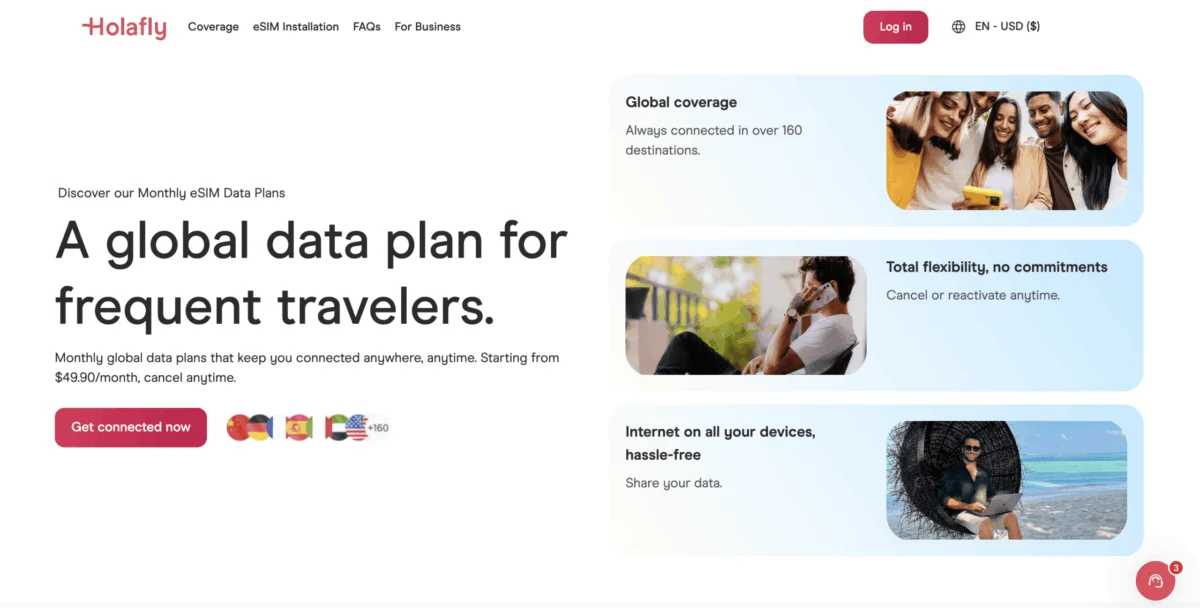
The international telecommunications and travel technology sector has seen a significant shift with the introduction of a continuous, multi-destination eSIM subscription model. Designed to streamline global connectivity, travel technology provider Holafly has officially rolled out Holafly Plans, an ongoing digital SIM service spanning over 160 destinations under a single recurring subscription. This development marks a departure from traditional travel data models, which historically required consumers to purchase localized, single-destination SIM cards or rely on costly domestic carrier roaming packages.
Evolution of Travel Connectivity and the Rise of eSIM Technology
For decades, international travelers faced considerable friction regarding mobile data connectivity. Traditional solutions involved physically swapping out subscriber identity module (SIM) cards upon arrival in a new country, navigating language barriers at local storefronts, or paying exorbitant international roaming fees charged by domestic home carriers. These legacy roaming fees often added hundreds of dollars to monthly consumer bills, presenting a major financial hurdle for frequent flyers and expatriates.
The introduction of embedded subscriber identity module (eSIM) technology fundamentally transformed this landscape. An eSIM is a programmable SIM card built directly into the hardware of modern smartphones, tablets, and wearable devices. Rather than inserting a physical plastic card, users activate a cellular plan digitally by scanning a quick response (QR) code or installing a profile directly through an application.

Because eSIM profiles exist entirely as software, modern smartphones can store multiple profiles simultaneously. This allows users to maintain their primary domestic phone number for essential two-factor authentication and incoming text messages while seamlessly switching to local data profiles when crossing international borders. While first-generation travel eSIMs successfully eliminated physical card swapping, they remained largely transactional. Consumers still needed to purchase localized data packages for every specific country or region visited, repeating the checkout and installation process with each new itinerary change.
Mechanics and Tiered Structure of Holafly Plans
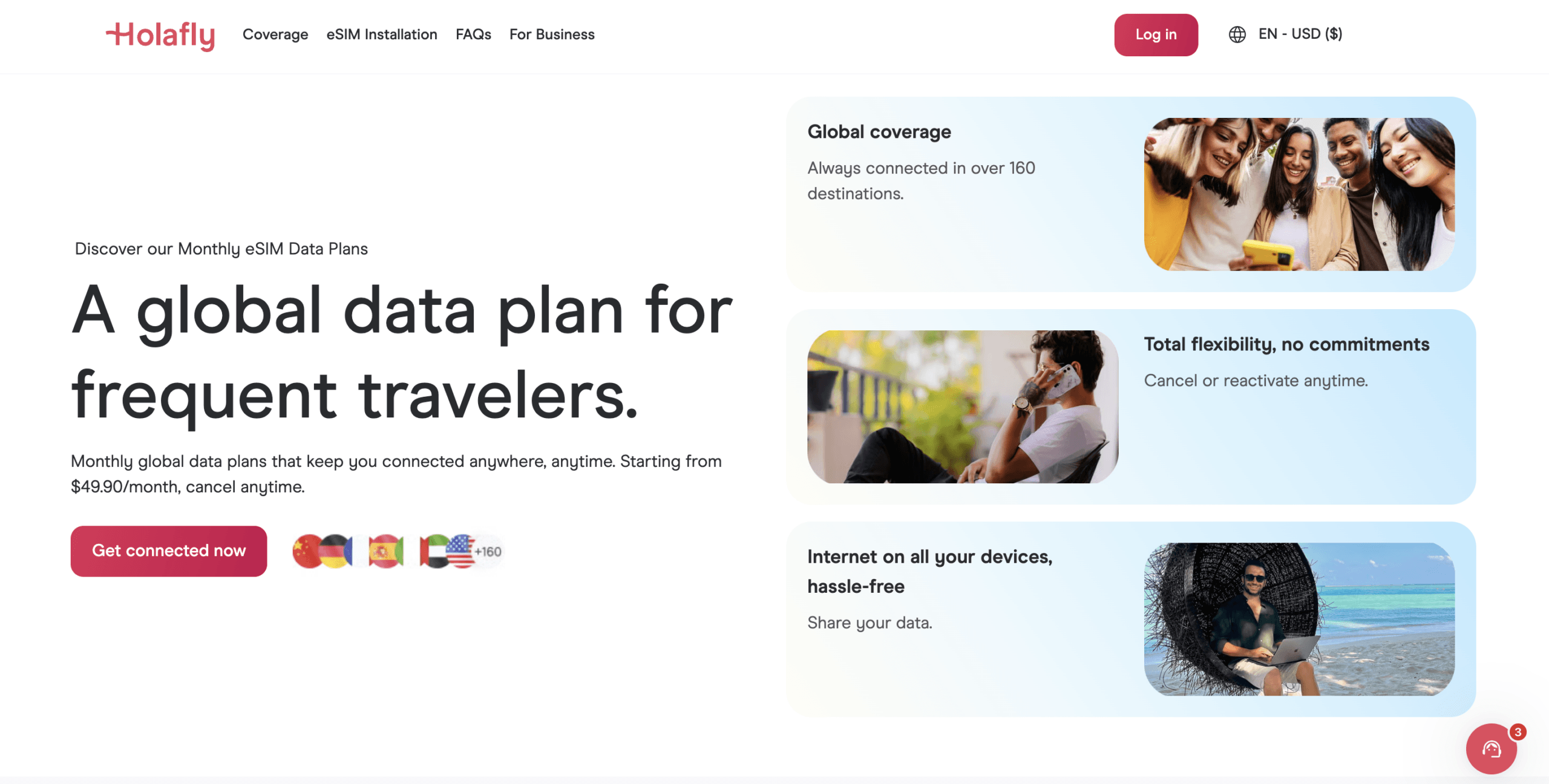
The newly introduced Holafly Plans address transactional friction by introducing a standing, multi-destination subscription model. Operating across more than 160 countries, the service automatically detects local network partnerships upon a traveler’s arrival, re-establishing cellular connectivity without requiring manual intervention, re-purchasing, or new profile downloads.
The service is structured around two distinct operational tiers designed to accommodate varying consumer data consumption habits:
- The Unlimited Plan: Targeted toward digital nomads, remote professionals, and heavy data users, this tier features unthrottled data allowances alongside an unrestricted mobile hotspot capability. This allows users to tether laptops, tablets, and secondary devices securely on the go. Additionally, the Unlimited tier incorporates a local phone number originating from the United States, the United Kingdom, or Canada, enabling users to receive SMS messages while abroad.
- The Light Plan: Tailored for casual travelers who primarily utilize navigation software, messaging platforms, and intermittent web browsing, this tier provides a fixed allowance of 25 gigabytes of high-speed data per month. Like the Unlimited tier, it includes hotspot functionality and maintains coverage across the same global network of 160-plus destinations.
Both subscription tiers incorporate a proprietary feature designated as "Always On." This safety-net mechanism supplies users with a recurring one gigabyte of backup data each month indefinitely, remaining active even if the consumer temporarily suspends or entirely cancels their primary subscription. Pricing models vary depending on billing cycles—offering monthly, quarterly, or annual commitments—with multi-month prepayment structures yielding incremental cost reductions.
Comparative Market Analysis and Industry Implications
To contextualize the financial impact of continuous international eSIM subscriptions, industry analysts often compare consumer expenditures across three primary models: domestic carrier roaming passes, traditional single-destination travel eSIMs, and comprehensive global subscriptions.
Major domestic telecommunications providers in North America and Europe typically price international daily roaming passes between $10 and $15 per day, which can easily scale expenditures to $300 per month for continuous travelers. Furthermore, these daily passes frequently incorporate strict high-speed data caps before throttling connection speeds to unusable bandwidths.
Conversely, standard destination-specific eSIM packages generally cost between $30 and $60 per month depending on the region, but necessitate administrative oversight when transitioning between jurisdictions. By comparison, ongoing multi-destination eSIM subscriptions consolidate billing into a single recurring fee—typically ranging between $55 and $65 per month depending on the chosen prepayment term—while delivering unthrottled data and multi-device tethering without data caps.
Market researchers note that the normalization of global software-defined telecommunications poses a distinct competitive challenge to legacy mobile network operators. As consumer preference shifts toward decentralized, software-based international connectivity, traditional carriers face mounting pressure to re-evaluate high-margin roaming tariffs.
Logistical Implementation, Support Infrastructure, and Consumer Considerations
Implementing a global eSIM subscription requires compatible hardware. Modern smartphones manufactured within the past several years—including recent iterations of Apple iPhones, Samsung Galaxy devices, and Google Pixel handsets—fully support dual-SIM functionalities incorporating eSIM technology.
Activation typically requires downloading the provider’s application, selecting the desired subscription tier, and completing digital authentication. Upon processing, the eSIM profile integrates into the device’s network settings. Technical support frameworks accompanying these global plans generally feature around-the-clock digital assistance to resolve network handoff discrepancies or configuration errors encountered across disparate international cellular infrastructures.
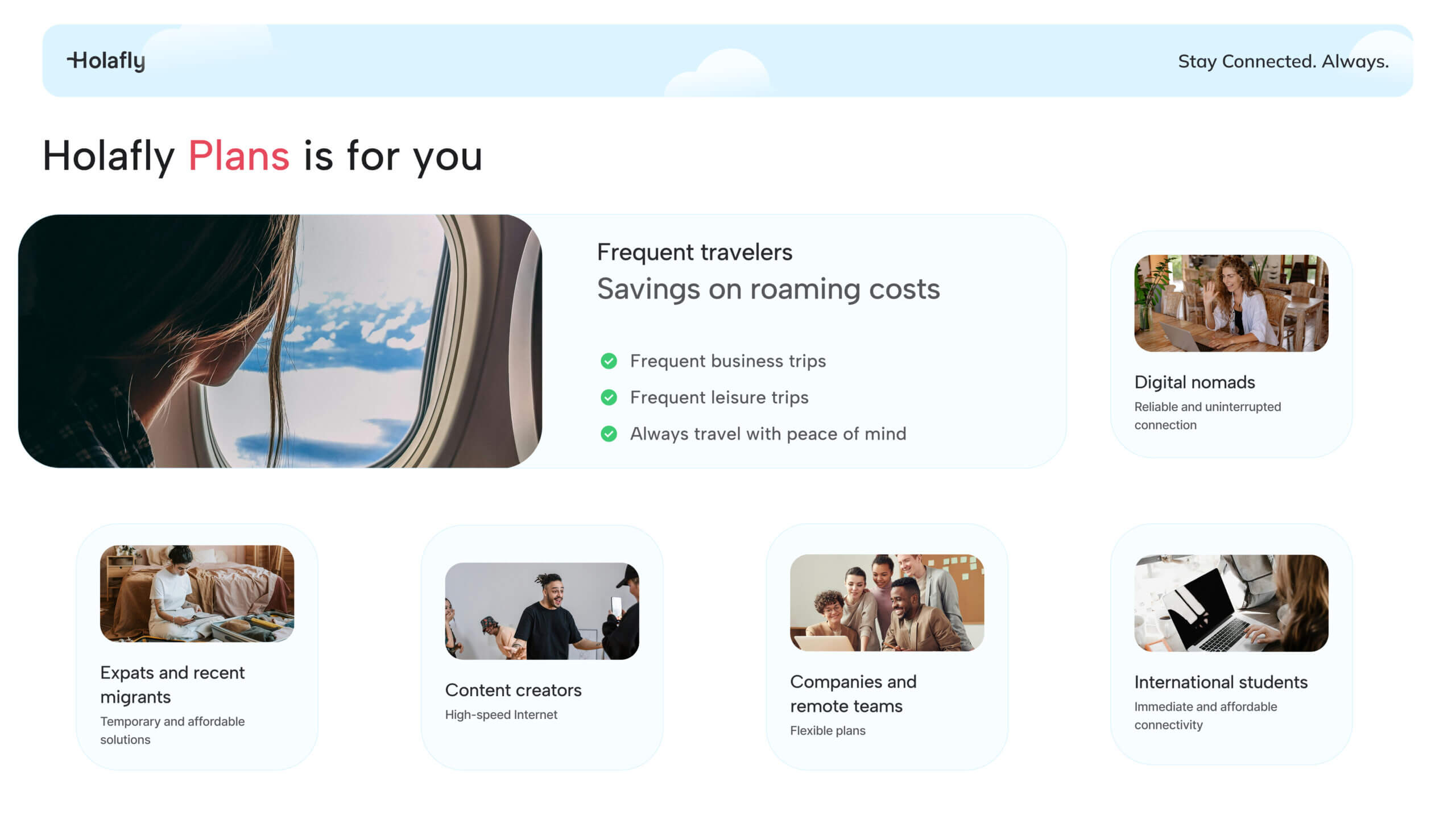
While continuous subscription models offer substantial economic and logistical advantages for individuals residing abroad for significant portions of the year, industry experts advise that casual vacationers taking isolated, single-destination trips lasting under two weeks may still find conventional, short-duration single-country eSIMs more cost-effective. However, for the rapidly expanding demographic of location-independent professionals, remote corporate employees, and frequent international travelers, the consolidation of global roaming under a single recurring digital subscription signifies a major milestone in mobile telecommunications accessibility.