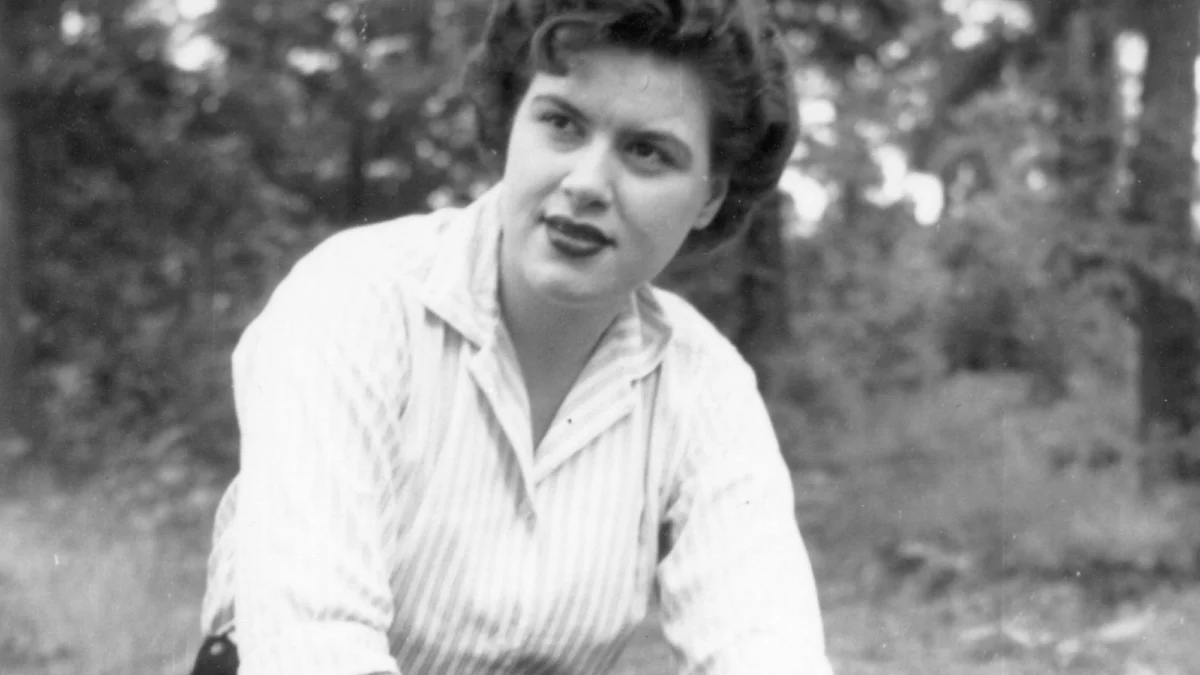

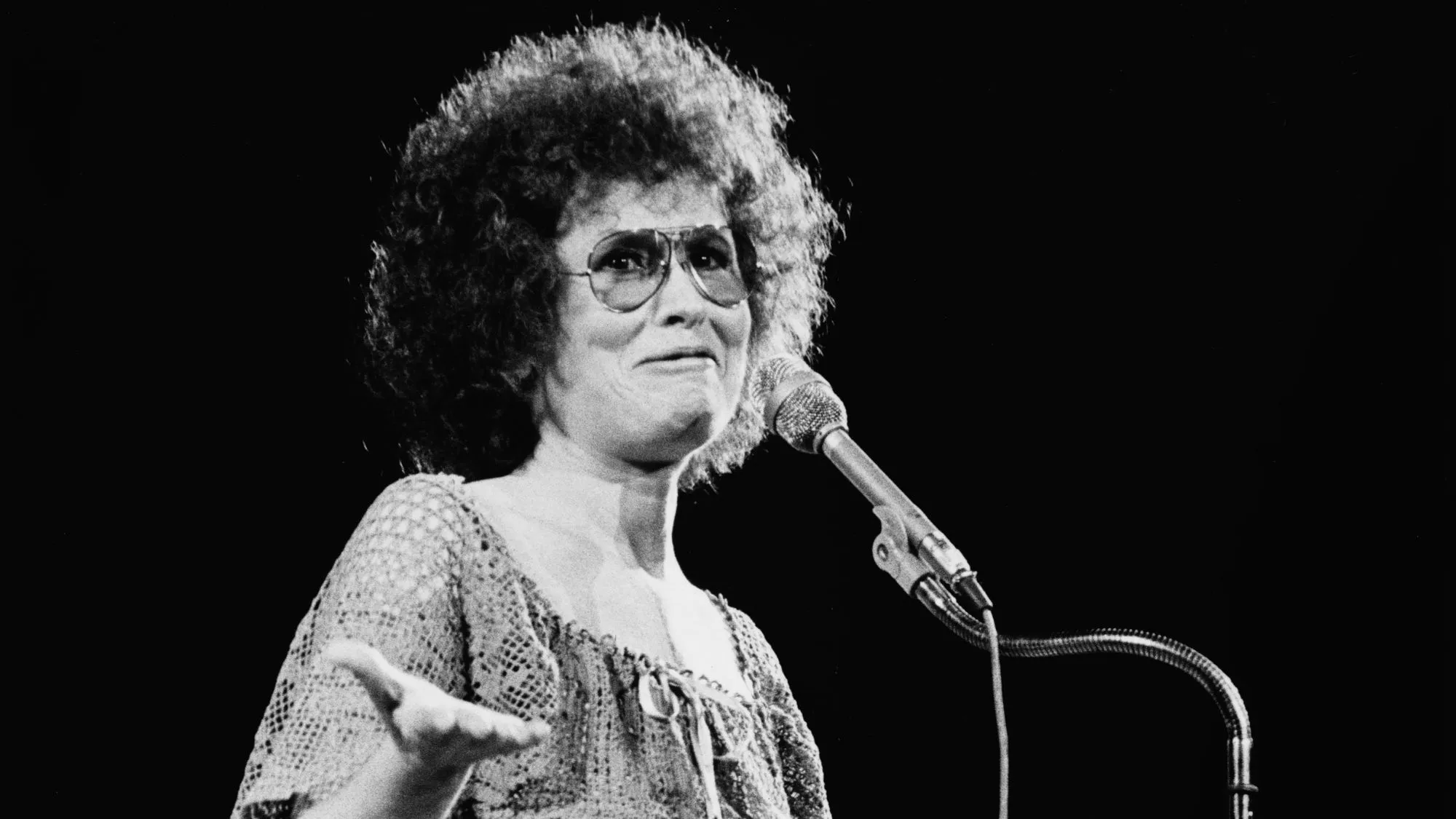
The legacy of Dory Previn stands as a masterclass in turning personal trauma into resonant, enduring art. Born Dorothy Veronica Langan in Woodbridge, New Jersey, on October 22, 1925, Previn navigated a life marked by unimaginable childhood terror, a glittering yet constrained Hollywood career, a devastating public betrayal, and a pioneering transition into the confessional singer-songwriter genre. On what would have been her 101st birthday, the music world looks back at an artist who defied the industry’s boundaries to chart the unvarnished contours of the human psyche, leaving an indelible imprint on generations of musicians.
A Terrifying Upbringing in New Jersey
To understand the profound vulnerability and psychological depth that later characterized Previn’s songwriting, one must examine her formative years in New Jersey. As the eldest daughter in a strict Irish Catholic household, young Dorothy’s life was upended by the severe mental illness of her father, Michael Langan.
Michael had been exposed to chemical warfare while serving in the trenches of World War I, a traumatic experience that left him with chronic depression and volatile, violent mood swings. In a chilling manifestation of his post-traumatic stress and paranoia, Michael boarded up the family home during a severe psychotic episode, holding his wife and children hostage at gunpoint for several months.
This environment of constant fear and isolation instilled in Previn an acute awareness of psychological fragility. While she eventually escaped the confines of her childhood home to pursue the arts, the echoes of her father’s mental health struggles and the domestic terror she endured would serve as the foundational bedrock for her lifelong engagement with themes of trauma, abandonment, and survival.
Hollywood Success and the Golden Era of Film Soundtracks
Previn’s initial trajectory in the entertainment industry began on the stage. After briefly attending New York City’s prestigious American Academy of Dramatic Arts, she toured as a chorus-line dancer and singer while quietly honing her craft as a lyricist. By the 1950s, she relocated to Los Angeles, where her talent caught the eye of legendary MGM producer Arthur Freed, the creative force behind cinematic masterpieces like An American in Paris and Singin’ in the Rain.
Freed brought Previn on board as a staff lyricist for MGM. It was within this cinematic ecosystem that she met composer and pianist André Previn. The professional partnership quickly blossomed into a romantic one, and the couple married in 1959, forming one of the most formidable songwriting duos in the film industry.
During the 1960s and early 1970s, the Previns were ubiquitous fixtures in Hollywood scoring rooms. Their collaborative efforts yielded three Academy Award nominations:
- 1960: "The Faraway Part of Town" from the film Pepe, famously performed by Judy Garland.
- 1962: "A Second Chance" from the drama Two for the Seesaw, starring Robert Mitchum and Shirley MacLaine.
- 1967: The iconic theme song to Valley of the Dolls, which became a major pop hit for Dionne Warwick and cemented their status as pop-culture architects.
In addition to their collaborative work, Dory Previn earned a third independent Oscar nomination for "Come Saturday Morning," featured in the 1969 film The Sterile Cuckoo, starring Liza Minnelli. Throughout this period, Previn’s lyrics were recorded by a pantheon of vocal legends, including Rosemary Clooney, Sammy Davis Jr., Doris Day, and Nancy Wilson. Yet, despite this high-profile commercial success, Previn increasingly felt creatively restricted by the demands of commercial film scores.
The Catalyst: Divorce, Breakdown, and Rebirth
The pinnacle of Previn’s Hollywood success abruptly collided with personal catastrophe in 1969. While working in the upper echelons of the entertainment industry, Previn discovered that her husband was engaged in a clandestine affair with actress Mia Farrow. The ensuing fallout played out under the harsh glare of the public spotlight.
The couple divorced in July 1970, and André Previn married Farrow just two months later. The betrayal triggered a severe mental breakdown for Dory Previn, resulting in hospitalization and psychiatric treatment, which included electroshock therapy.
Rather than allowing the trauma to silence her, Previn redirected her creative output inward. She abandoned the polished, impersonal conventions of film composition in favor of radical, unflinching self-examination. In a 1973 interview, she reflected on this pivotal shift:
"I’d been writing for films for several years, but nothing I can say in those theme songs had not been said better by many songwriters before me; and gloriously by poets. So what did I do? Did I want to go on and write more poetic lyrical metaphors on things already said? Or did I want to write about the one thing I can only presume to be an authority on: myself?"
Signing with Mediarts Records as a solo artist, Previn released her debut album, On My Way to Where, in 1970. This marked the official birth of her career as a confessional singer-songwriter, arriving on the heels of the trauma that redefined her life.
Pioneering the Confessional Genre and Cult Following
Previn’s pivot placed her at the vanguard of the 1970s singer-songwriter movement, sharing a temporal space with luminaries like Joni Mitchell and Carole King. However, Previn’s path diverged sharply from her contemporaries in terms of commercial trajectory and subject matter. While Mitchell and King achieved widespread mainstream acclaim, Previn’s work was defined by a stark, almost clinical candor regarding mental illness, failed romance, and the anxieties of modern womanhood.
Her sophomore release, 1971’s Mythical Kings and Iguanas, moved 50,000 copies—a respectable showing for an artist charting such uncompromising lyrical territory. Her distinct performance limitations, however, added a raw, unpolished authenticity to her work. As New York Times music critic Don Heckman astutely observed:
"Ms. Previn is no great singer, her guitar playing is only adequate, and her melodies sometimes have an uncomfortable tendency to move in too-familiar directions. But her message is stated so brilliantly in her lyrics, and the tales she has to tell are so important, that they make occasional musical inadequacies fade away."
Compounding her distance from mainstream stardom was her severe aviophobia (fear of flying), which severely limited her ability to tour internationally. Despite this logistical barrier, Previn cultivated a fiercely dedicated cult following. On April 18, 1973, she played a landmark, career-defining concert at Carnegie Hall in New York City, which was subsequently captured and released as the double LP Live at Carnegie Hall. When European touring beckoned later in the decade, she famously bypassed her fear of flying by booking passage across the Atlantic on the ocean liner Queen Elizabeth 2.
Later Life, Legacy, and Lasting Cultural Impact
Previn continued to write, record, and publish throughout the subsequent decades. In 1984, she married actor and painter Joby Baker, entering a period of personal stability that contrasted sharply with the turmoil of her earlier life. She maintained her creative output into the 2000s, writing poetry, prose, and music until her passing.
On February 14, 2012, Dory Previn died at the age of 86 at her farm in Southfield, Massachusetts.
Though her name may not occupy the same household-name tier as some of her 1970s peers, Previn’s influence on the architecture of confessional songwriting is undeniable. Contemporary artists such as Sinéad O’Connor and Suzanne Vega have frequently cited Previn as a foundational inspiration, recognizing her as the artist who first dared to bring the darkest corners of private psychological pain directly into the public sphere of popular song.
Today, on what would have been her 101st birthday, Previn’s catalog remains a vital testament to resilience. Her transition from a Hollywood hitmaker writing for others to a fiercely independent voice writing exclusively about herself broke open doors for generations of songwriters who found strength in radical honesty.