
 admin
admin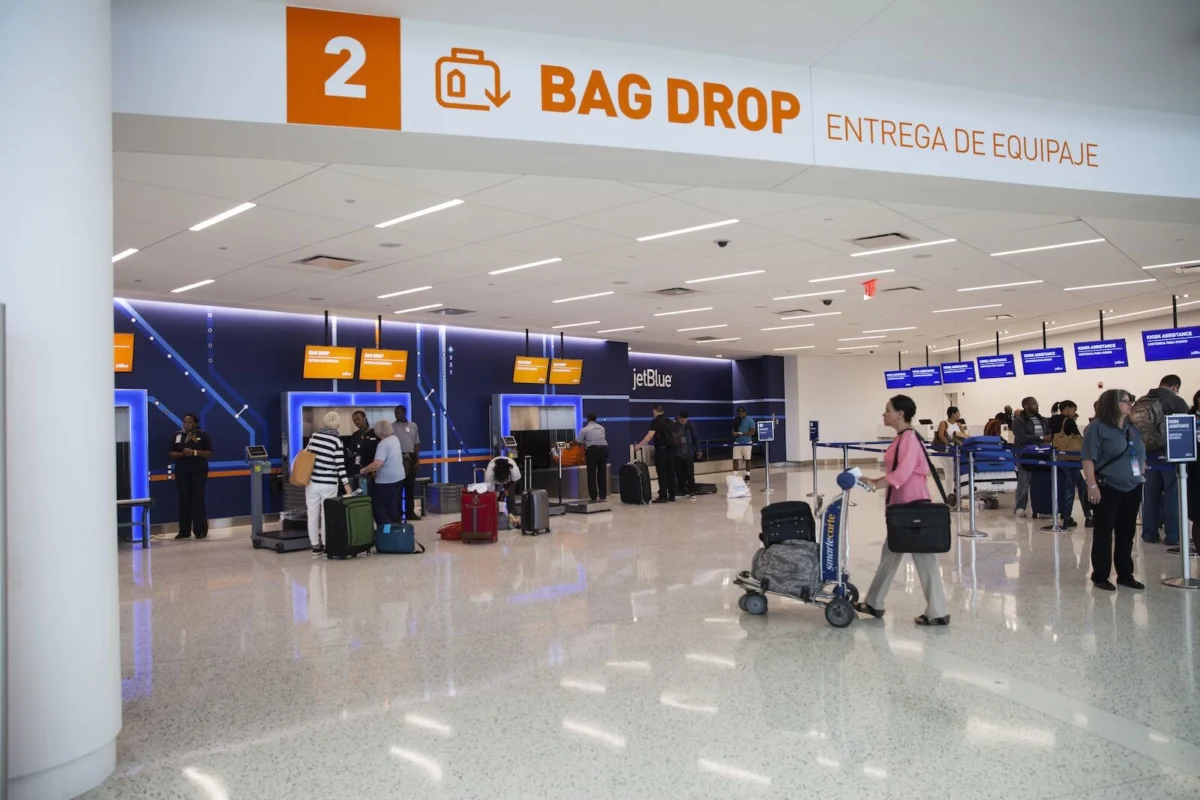
The landscape of air travel is once again shifting for consumers, with United Airlines and JetBlue Airways announcing substantial increases to their checked baggage fees. These adjustments, effective for tickets purchased on or after April 3rd, signal a growing trend among major carriers to offset rising operational expenses, primarily driven by escalating jet fuel prices linked to geopolitical instability in the Middle East. The move is expected to place further financial pressure on travelers, who are already navigating a complex pricing environment.
For United Airlines, the cost of checking a bag will now rise by approximately $10. This adjustment means that the first checked bag will cost $45 if paid in advance, escalating to $55 for a second checked bag. Travelers who opt to pay for their baggage at the last minute will face even higher charges, with the first bag costing $50 and the second a steep $60. JetBlue has enacted similar increases, though specific figures for their second bag were not immediately detailed in the initial announcement, the implication of a $10 rise on the first bag suggests a similar trajectory for additional items.
In their official statements, both airlines pointed to the escalating cost of jet fuel, directly attributed to the ongoing conflict in the Middle East, as the principal catalyst for these fee adjustments. JetBlue articulated its position by stating, "As we experience rising operating costs, we regularly evaluate how to manage those costs while keeping base fares competitive and continuing to invest in the experience our customers value." This sentiment suggests a strategic decision to absorb some of the increased expenses through ancillary fees rather than directly inflating base ticket prices, a tactic aimed at preserving booking volumes. United Airlines executives echoed this rationale, highlighting the financial strain imposed by the volatile energy market.
The financial burden on airlines from these fuel price surges is considerable. In a stark illustration of the impact, CEOs of United, Delta, and American Airlines independently stated in March 2026 that rising fuel costs had added approximately $400 million to their collective operational expenditures since February 28, 2026. This date coincides with the United States launching airstrikes against sites and cities across Iran, an event that significantly disrupted global oil markets and, consequently, jet fuel prices. This confluence of geopolitical events and airline operational costs underscores the delicate balance carriers must strike to remain profitable.
The Fuel Factor: A Deep Dive into Airline Expenses
Fuel typically represents the largest single operating expense for airlines, accounting for a substantial portion of their budget, generally between 25% and 30% of total operational costs. The recent surge in jet fuel prices in the United States, which have reportedly nearly doubled in recent weeks, has had a direct and significant impact on airline profit margins. This dramatic increase in a critical commodity squeezes the financial viability of routes and operations, forcing airlines to seek compensatory revenue streams.
The decision to implement baggage fee increases, rather than outright hiking ticket prices, is a well-established industry strategy. Raising base fares can be a more immediate deterrent to potential travelers, potentially driving them to competitors offering seemingly lower initial prices. Ancillary fees, such as those for checked baggage, seat selection, or onboard services, are often perceived as less impactful on the initial booking decision. They are frequently presented as optional add-ons, making them a more palatable, albeit less transparent, method for airlines to enhance revenue per passenger without immediately deterring demand. This approach allows airlines to recoup costs and bolster profitability while attempting to maintain a competitive edge in base fare pricing.
A Ripple Effect: Industry-Wide Trends and Anticipated Responses
Industry analysts are closely monitoring the situation, cautioning that the baggage fee hikes by United and JetBlue may not be isolated incidents. It is widely anticipated that other major airlines will follow suit, as the underlying economic pressures affecting fuel costs are industry-wide. While no other carriers have made formal announcements regarding baggage fee increases as of yet, other airlines have already begun to adapt their strategies in response to the rising fuel expenses.
For instance, in mid-March, Qantas announced an increase in ticket prices for its international routes, explicitly citing the surge in fuel costs stemming from the Middle East conflict. Similarly, the chief executives of Lufthansa and Ryanair have indicated that they may be compelled to reduce their flight schedules. This potential reduction in service could further impact travel availability and pricing for consumers, creating a domino effect across the aviation sector. These varied responses highlight the multifaceted challenges airlines face in navigating volatile economic conditions and the complex interplay between operational costs, pricing strategies, and consumer demand. The airline industry’s reliance on global energy markets makes it particularly vulnerable to geopolitical events, and the current situation serves as a stark reminder of this interconnectedness. The long-term implications of these sustained high fuel costs could lead to a more permanent recalibration of airline business models, potentially involving greater investment in fuel-efficient aircraft, exploring alternative fuels, and a more aggressive pursuit of ancillary revenue streams. For travelers, this means a continued period of uncertainty regarding the overall cost of air travel, where the initial ticket price may only represent a fraction of the final expenditure.
Historical Context and Precedents
The current trend of increasing baggage fees is not unprecedented in the airline industry. Following the September 11, 2001, terrorist attacks, which severely impacted air travel and led to significant financial losses for airlines, carriers began to introduce and then systematically increase baggage fees. This was part of a broader strategy to diversify revenue streams and reduce reliance on ticket sales alone. The introduction of fees for services that were once complimentary became a hallmark of the post-9/11 airline industry.
In the years since, baggage fees have become a significant contributor to airline revenue. For example, in 2023, U.S. airlines collected billions of dollars in baggage fees alone, a testament to their importance in the financial models of these companies. This history provides a backdrop against which the current increases can be understood; airlines have repeatedly turned to ancillary fees as a reliable method to manage costs and enhance profitability during periods of financial strain. The current geopolitical climate, however, adds a layer of urgency and a more direct causal link to the fuel market’s volatility, making the current fee hikes particularly notable.
The Consumer Impact: Beyond the Baggage Tag
The immediate impact of these fee increases is on the wallets of travelers. For individuals and families who frequently check bags, these incremental costs can add up significantly over the course of a year, especially for those undertaking multiple trips. This can disproportionately affect budget-conscious travelers, students, and those traveling for extended periods who are more likely to carry larger amounts of luggage.
Beyond the direct cost, these increases can also influence travel behavior. Some travelers may opt to travel with only carry-on luggage, leading to increased congestion in overhead bins and potentially longer boarding times. Others might reconsider their travel plans altogether, opting for alternative modes of transportation or delaying trips if the overall cost becomes prohibitive. The cumulative effect of rising fuel costs, baggage fees, and other ancillary charges could lead to a broader trend of reduced air travel demand, particularly for non-essential trips.
Furthermore, the increased reliance on ancillary fees raises questions about the transparency and fairness of airline pricing. While airlines argue that these fees allow them to keep base fares competitive, critics contend that they can obscure the true cost of travel until the latter stages of the booking process. This can lead to a sense of sticker shock for consumers and a feeling of being nickel-and-dimed.
A Look Ahead: Potential for Further Adjustments and Industry Evolution
The current surge in fuel costs and the subsequent baggage fee increases are likely to be a continuing theme in the airline industry for the foreseeable future. The geopolitical situation in the Middle East remains volatile, and any sustained disruption to oil production or supply routes will continue to exert upward pressure on jet fuel prices. This persistent economic pressure suggests that airlines will likely continue to explore and implement strategies to offset these costs.
The industry may see further innovation in how airlines manage their fuel expenses, including increased investment in more fuel-efficient aircraft technologies and potentially greater exploration of sustainable aviation fuels, though the latter are currently more expensive. However, the immediate response is often through pricing adjustments, which means travelers should brace themselves for potentially more fee increases across various services.
The long-term implications of these trends could reshape the airline industry. We might see a further bifurcation of the market, with low-cost carriers continuing to emphasize bare-bones pricing and higher ancillary fees, while full-service carriers attempt to differentiate through bundled services or loyalty programs that offer some relief from these charges. Ultimately, the sustainability of this approach will depend on consumer behavior and the competitive dynamics within the airline sector. As the industry navigates these turbulent economic waters, travelers will need to remain vigilant and informed about the evolving cost of air travel, factoring in all potential fees when planning their journeys.