 admin
admin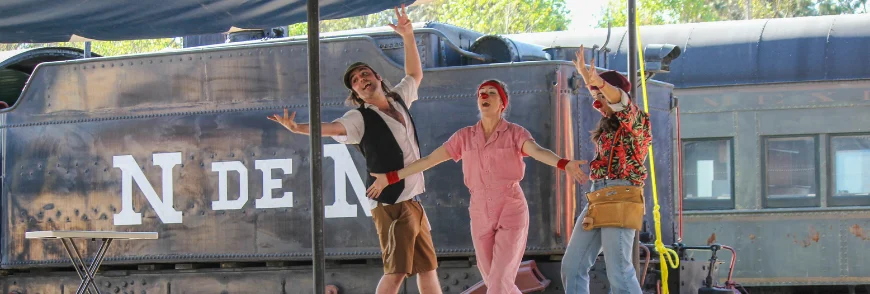
Families seeking asylum in Mexico are grappling with an escalating humanitarian crisis, marked by unprecedented backlogs and formidable barriers under current United States immigration policies. This protracted state of limbo inflicts a profound emotional and psychological toll, particularly on children, as they endure prolonged periods of waiting and uncertainty. Amidst this complex and challenging environment, Clowns Without Borders (CWB) embarked on a vital mission to central Mexico, from August 28 to September 9, 2024, delivering moments of laughter, relief, and connection to nearly 1,800 individuals experiencing displacement. Through 13 vibrant performances, CWB demonstrated how the simple act of a well-timed giggle or the spectacle of a unicycle can profoundly shift an atmosphere of anxiety and anticipation, even in the face of systemic challenges.
The Crisis of Prolonged Uncertainty at the US-Mexico Border

The journey for asylum seekers traversing Mexico is often fraught with peril, economic hardship, and the constant threat of violence. While previous CWB missions highlighted physical dangers like those associated with "La Bestia" train, the current crisis introduces a more insidious threat: prolonged uncertainty. For families fleeing persecution, gang violence, or generalized insecurity in countries like Honduras, Venezuela, and Haiti, Mexico often becomes an unforeseen bottleneck. US immigration policies, including remnants of the Trump administration’s executive actions and the increased militarization of the border, have created a system where the right to seek asylum is increasingly inaccessible. This has led to a significant increase in the number of individuals stranded in Mexico, often in precarious conditions.
The emotional and psychological impact of this indefinite wait is particularly devastating for children. When children are subjected to prolonged uncertainty, it constitutes a form of toxic stress that can severely impede their health and development. The Center on the Developing Child at Harvard University defines toxic stress as the cumulative toll that chronic or multiple stressors can take on a young child’s health and well-being, with lifelong implications. These can manifest as chronic health issues like heart disease and diabetes, as well as mental health challenges such as substance abuse and depression later in life.
Further research from Guatemala, specifically a 2021 study by Ibáñez-Alfonso et al., underscores these profound effects. The study revealed that children and adolescents living in vulnerable conditions—such as extreme poverty or exposure to violence, common experiences for displaced populations—consistently underperform in critical cognitive functions like attention, language, and executive functioning tasks compared to their non-vulnerable peers. These difficulties are not confined to academic settings; they permeate every aspect of a child’s existence, hindering their ability to form healthy connections, regulate emotions, and envision a secure future. The absence of stability and the constant state of vigilance required for survival prevent children from engaging in the fundamental developmental processes that allow them to thrive.

Clowns Without Borders: A Beacon of Laughter in Times of Despair
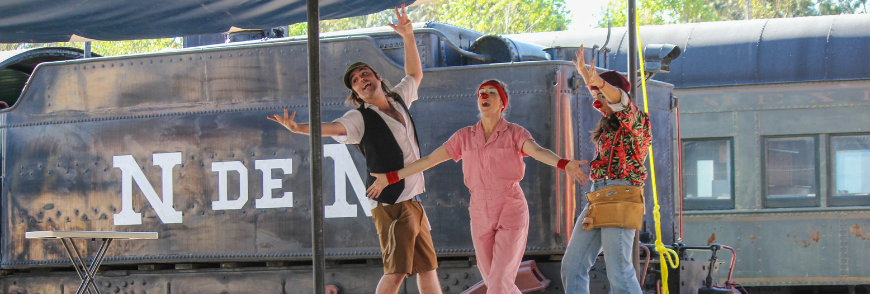
It is against this backdrop of profound hardship that organizations like Clowns Without Borders become not just entertaining, but essential. Their performances serve as a crucial intervention, reminding children that laughter, play, and the freedom to occupy space are their inherent birthrights, especially during times of waiting. The CWB team for the Mexico tour included talented artists Lars Uribe (Mexico), Andrea Barello (Italy), Darina Robles (Mexico), and Vanessa Nieto Terrazas (Mexico), who brought a unique blend of heart, courage, and humor to every interaction.
The 2024 tour, spanning from late August to early September, reached 1,771 people across 13 shows in various locations within central Mexico. These performances offered a temporary but vital respite from the daily grind of displacement, providing a much-needed emotional release and fostering a sense of community. The magic of CWB lies in its ability to transcend language and cultural barriers, speaking directly to the universal human need for joy and connection.
Stories from the Ground: The Immediate Impact of Play
One particularly poignant performance took place at the Center for the Care of Children in the Context of Migration in Tlaxcala. This center, which had opened just six months prior, represents a concerted effort by the Mexican government to address the escalating crisis of child migration. Within its walls, families from diverse backgrounds—Haiti, Venezuela, and Honduras among them—shared common narratives of loss, violence, and arduous journeys, often undertaken entirely on foot.
For many at the center, their presence there was perceived as an interruption to their plans to reach the US. While the government provides some assistance, including paperwork support, residents are not free to come and go, their movements monitored, and their futures hanging precariously in the balance. On the day of CWB’s visit, however, one thing was certain: a clown show. No documents, no waiting lines, just immediate, shared laughter.

Among the audience was Alexander, an 8-year-old boy who had arrived at the center just hours before with his parents and younger sister, Maria Jose, after walking all the way from Honduras. The weight of his uncertain future was palpable. Yet, when the show began, Alexander did not hesitate. He enthusiastically participated in a boxing act, then insisted on joining Lars Uribe for the unicycle finale. His infectious energy captivated the audience, transforming the tense atmosphere into one of unbridled joy. Later, his four-year-old sister, Maria Jose, sought out the clowns as they packed up, embracing each one in a pure expression of gratitude. These moments, seemingly small, are monumental for children like Alexander and Maria Jose, offering a precious break from the constant burden of their circumstances.
Another powerful anecdote involved Alexis, also 8 years old, who, when asked by CWB artist Lars Uribe what he liked most about his arduous trip from Honduras, simply responded, "The show." This simple answer eloquently conveys the desperate need for levity and joy in lives otherwise devoid of such moments. It underscores that while clown performances cannot erase trauma or rectify policy failures, they provide something equally vital: proof that these children matter, that they are seen, and that joy remains within their reach.
Beyond Entertainment: The Therapeutic Power of Play

The impact of CWB’s work extends far beyond momentary entertainment. The therapeutic power of play is well-documented, especially for children who have experienced trauma. Play allows children to process difficult emotions, develop coping mechanisms, and regain a sense of normalcy and control. For migrant children, who often experience a profound loss of agency, engaging in playful interactions can be a crucial step towards healing and resilience.
CWB performances are carefully crafted to resonate with the experiences of their audiences while maintaining a spirit of lightheartedness. CWB artists often embody a full spectrum of emotion, performing scenes that subtly echo the realities of migration, such as themes of movement, separation, and reunion, but always through the lens of humor and vulnerability. This approach fosters a deep connection, allowing audiences to feel seen and understood. Through shared laughter, CWB delivers dignity, affirming the inherent worth of every individual, even in the most uncertain and dehumanizing circumstances.
The ripple effects of these interventions are often observed by staff at the centers: children sleep better, become calmer, and parents talk more freely. Laughter acts as a powerful tension breaker, creating a temporary space for peace and connection, even when the underlying situation remains unchanged.

The Broader Humanitarian Landscape: A 2025 Update
The CWB tour in late 2024 occurred amidst a worsening situation for displaced people in Mexico. In February 2025, Amnesty International released a damning report titled "The Right to Seek Asylum Does Not Exist at the US-Mexico Border," which starkly outlined the dire reality. The report found that the US is violating both national and international human rights obligations, largely stemming from executive actions implemented by the Trump administration and the increased militarization of the border by the Mexican government. These policies effectively close off legal avenues for asylum, pushing vulnerable individuals into irregular and dangerous routes.
Data from the Danish Refugee Council, based on interviews with people on the move in Mexico between October and December 2024, provides further insight into the motivations behind these perilous journeys. Over a quarter (26%) reported fleeing direct threats, violence, or intimidation, often from gangs or armed groups. Another 21% cited escaping generalized insecurity and violence, while 12.7% reported a well-founded fear of persecution. While "generalized violence" may not always meet the strict legal threshold for asylum, it often intersects with protected categories suchibilities based on race, religion, nationality, political opinion, or membership in a particular social group. Regardless of legal classifications, the reality is that these individuals are fleeing real, immediate, and life-altering dangers.

Aid workers on the ground corroborate these findings. Reinaldo Ortuño, the Mexico and Central America medical coordinator at Médecins Sans Frontières (Doctors Without Borders), succinctly stated in February 2025, "The main problem is that migrants are stranded with no information about whether they will be able to apply for asylum [in the US] again." This lack of clear information and the indefinite waiting period exacerbate the psychological distress of those already traumatized.
Enrique López of Doctors of the World, working in Tapachula—a critical entry point on Mexico’s southern border—explained why many asylum seekers feel compelled to request asylum from the Mexican government or return to their home countries: "They don’t do it by choice, but rather because transiting through Mexico has become more complicated and there are no ways to access the United States, if not irregularly." This forces individuals into dangerous and unstable situations, prolonging their vulnerability. The combination of restrictive US policies and heightened Mexican enforcement has created a de facto containment zone, leaving thousands in limbo, exposed to exploitation, violence, and profound uncertainty.
Humanity Amidst Policy: The Role of Shared Laughter

Even within the confines of official centers, the human need for connection and levity finds a way to surface. During one CWB performance, Brachito, the clown persona of Vanessa Nieto Terrazas, turned her attention to the security guards, who serve as both protectors and enforcers within the center. She described three very serious guards, arms crossed, their expressions stern. Despite their official demeanor, Brachito slowly approached each, asking permission for a kiss on the cheek. Their eventual smiles and affirmative responses, met with a burst of laughter and camera flashes from the audience, transformed the dynamic. In that fleeting exchange, the guards transcended their roles, becoming part of a shared human experience, momentarily softening the inherent divide between authority and those they were guarding.
These small acts of shared humanity are powerful. They are a form of resistance against dehumanization, a reminder that joy can connect us, heal us, and affirm our shared humanity, even in the most challenging environments. The ability of CWB artists to elicit such moments speaks to the universal language of humor and its capacity to build bridges where policies erect walls.
Conclusion: The Enduring Need for Joy

This is the reality of anticipation at the US-Mexico border: families waiting in plazas, children in shelters, with illness and violence persistently close. In this state of perpetual anticipation, the need for joy is not a luxury, but a necessity. The work of Clowns Without Borders, supported by partners like Llaven Nü, is a testament to this truth. The artists—Lars Uribe, Andrea Barello, Darina Robles, and Vanessa Nieto Terrazas—bring heart, courage, and laughter to every moment, transforming lives, one giggle at a time.
Their performances don’t solve the complex geopolitical challenges of migration or the failures of international policy. However, they address a fundamental human need: the right to play, to feel seen, and to experience joy, especially for children whose childhoods are being stolen by circumstance. As CWB plans its next tour to Mexico in October 2025, the ongoing support for such initiatives remains critical. Every contribution helps send more clowns, reach more communities, and create more moments of relief and joy, ensuring that laughter continues to be a beacon of hope in places where it is needed most.