
 admin
admin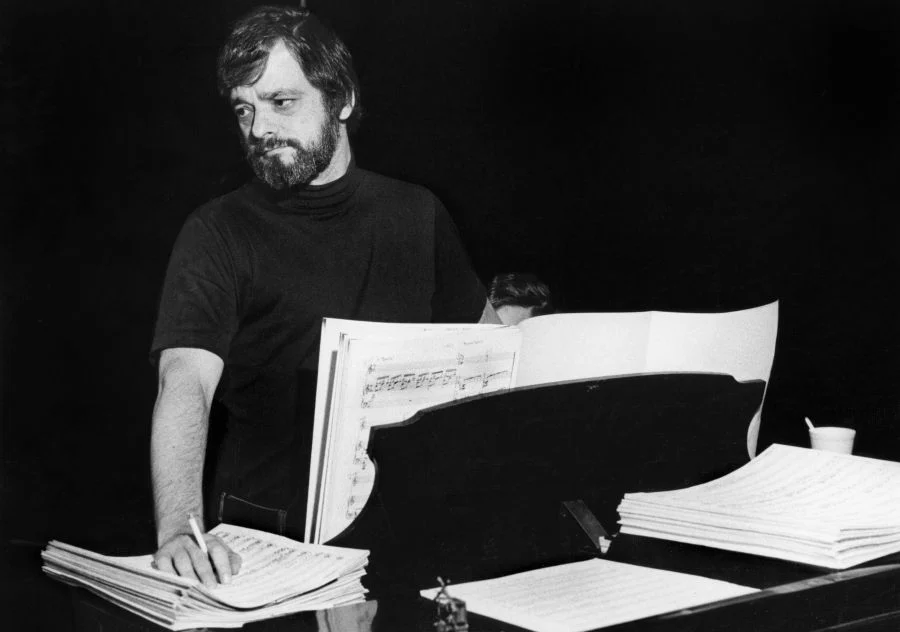
The axiom "Don’t meet your heroes" often serves as a cautionary tale, particularly when considering figures as monumental and complex as Stephen Sondheim. The composer and lyricist who undeniably redefined American musical theater was a multifaceted individual whose public persona evolved considerably throughout his illustrious career. Whether encountered in his formative years, grappling with the constraints of his medium and his mentors, or during his ascendant, at times tempestuous, 1970s period, or in his later, more magnanimous phase as an elder statesman of the arts, Sondheim presented different facets of his personality. It was in this latter stage, during the release of his comprehensive lyric collections, Finishing the Hat and Look, I Made a Hat (now consolidated as Hat Box), that he granted a conversation at his renowned Turtle Bay townhouse. While the exchange itself was an honor, the absence of a piano, either his or the interviewer’s, represented a missed opportunity to fully immerse in the creative spirit of the man. Anecdotal evidence from the 1970s paints a starkly different picture, with one former colleague recalling a profoundly antisocial encounter with a chain-smoking, greasy individual who spoke only to Oscar Hammerstein II’s son, Jamie, and pointedly ignored her. This "rude, unpleasant character" was, of course, a young Stephen Sondheim.
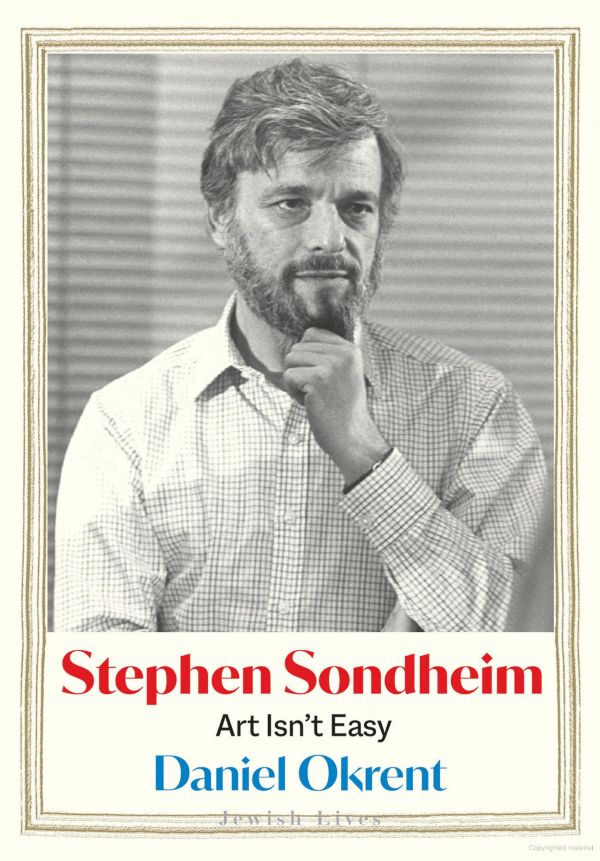
A Definitive Portrait: Daniel Okrent’s Stephen Sondheim: Art Isn’t Easy
Daniel Okrent’s new biography, Stephen Sondheim: Art Isn’t Easy, stands as a significant achievement, fulfilling its ambitious aim to capture the full spectrum of Sondheim’s mercurial personality. Okrent, who admits to never having met Sondheim personally, meticulously reconstructs the composer’s life through extensive archival research and new interviews, including a brief citation from the author of this review. The result is an immersive experience that brings readers remarkably close to encountering Sondheim at various junctures of his storied life and career. The portrait that emerges is as intricate and layered as Sondheim’s own musicals: complex, ambivalent, rich with detail, and deeply human. Okrent’s Sondheim is a figure of stark contrasts—by turns frosty and arrogant, yet also vulnerable and sensitive; a solicitous friend and an irrational grudge-holder; a ferocious critic, particularly of himself, yet intolerant of public critique; a seemingly disheveled individual with an exacting aesthetic sensibility; and a dedicated craftsman prone to distraction. This inherent duality, as Okrent adeptly demonstrates, is precisely what enabled Sondheim to articulate such profound insights into mixed emotions within his work.
Building on a Rich Legacy
Previous biographical accounts, notably Meryle Secrest’s seminal 1998 work, laid crucial groundwork by illuminating key aspects of Sondheim’s life, including his challenging relationship with his mother, Etta (known as Foxy), and his complex journey with his homosexuality. Secrest also detailed his formative artistic collaborations with luminaries such as Harold Prince, Arthur Laurents, and James Lapine. Further depth was added by Craig Zadan’s Sondheim & Company and James Lapine’s own Putting It Together, which offered an intimate look at the creation of Sunday in the Park With George.
Okrent’s contribution, however, transcends mere rehashing of established narratives. Despite Sondheim’s last major stage work, Passion, premiering in 1994, and his passing in 2021, the intervening years, often referred to by colleagues as "the God years," represented a period of esteemed reflection rather than extensive new theatrical output. Okrent navigates this landscape by focusing on a compelling thesis: the driving force behind Sondheim’s prodigious output was a complex interplay of revenge against his mother’s perceived callousness, coupled with a score of grievances against rivals and critics.
Unpacking the Demons: Revenge and Resilience
Okrent meticulously marshals evidence to support his revenge thesis. This includes examining articles by Sondheim’s longtime therapist, Milton Horowitz, and detailing numerous clashes with perceived adversaries. Crucially, Okrent avoids oversimplification. He casts a discerning eye on even the most legendary anecdotes, such as the widely reported letter from Sondheim’s mother after a near-death experience in the mid-1970s, stating, "the only regret I have in life is giving you birth." Okrent introduces a flicker of doubt regarding the letter’s authenticity and exact wording, while simultaneously offering a more nuanced portrayal of the mother-son dynamic as a "cold war," acknowledging Sondheim’s dutiful visits and financial support for his mother’s elder care, despite his absence at her funeral.
The Unseen Battles: Drugs and Alcohol
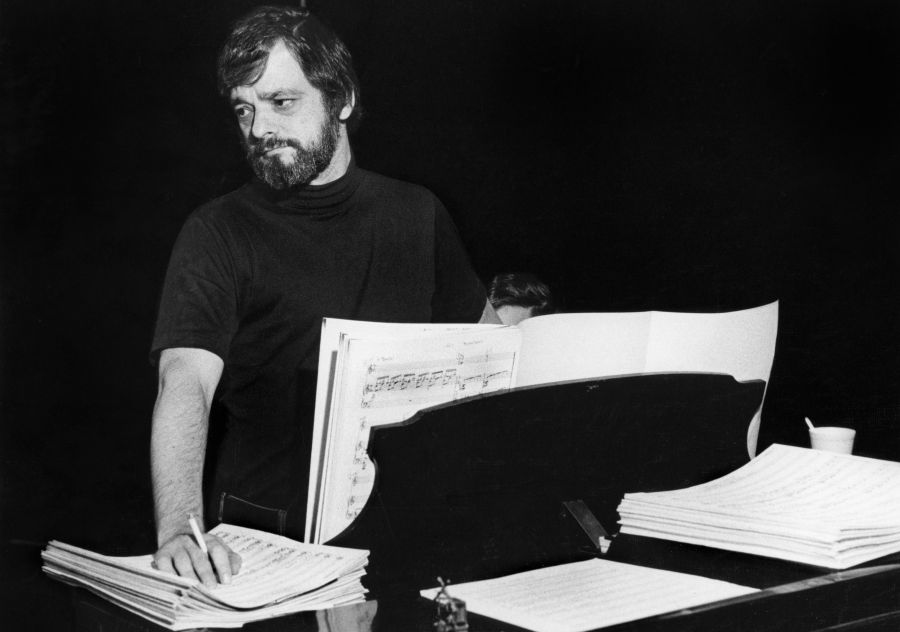
A significant area of new exploration in Okrent’s biography is Sondheim’s relationship with drugs and alcohol, subjects less prominent in Secrest’s work. While Lapine’s Putting It Together alluded to Sunday in the Park With George being conceived "in clouds of marijuana smoke," Okrent reveals a more startling revelation from Lapine: the writing of Into the Woods was "fueled by cocaine—mounds of it." This sheds new light on the creative process behind these iconic musicals.
Reports of Sondheim’s prodigious drinking are also detailed without qualification, with friends and collaborators labeling him an alcoholic. The sheer volume of his intake, and its seemingly minimal impact on his demeanor until later in life, continues to astound. Sondheim himself described lyric writing as "hell," admitting he drank to bypass his "mental censors." In contrast, he found immense pleasure in composing music, to the extent that the only score he completed sober was the entirely instrumental soundtrack for the film Stavisky.
The Art of the Self: Sondheim’s Musicals as Autobiography
Okrent’s biographical focus is thoughtfully integrated with astute analyses of Sondheim’s shows, tracing their gestation from early exercises like the Hammerstein-assigned Climb High to the posthumously staged Here We Are. While avoiding the pitfalls of the biographical fallacy, Okrent posits that Sondheim’s work inherently expresses aspects of his creator’s essence. This is evident in the aspirational lyrics of Climb High ("When I get famous/I’ll be free") and in characters who serve as clear stand-ins, such as the bachelor cipher Bobby in Company and the perfectionist painter George in Sunday in the Park With George.
However, Okrent’s psychological exploration is far from monolithic. He notes that while collaborations with Lapine unlocked unconscious themes amenable to biographical interpretation and introduced newfound warmth, working with John Weidman on Pacific Overtures and Assassins propelled Sondheim "outside of himself." Yet, even in these outward explorations, Sondheim’s own psyche was revealed. The Rashomon-esque "Someone in a Tree," from Pacific Overtures, is considered a towering masterpiece, a testament to Sondheim’s profound emotional connection to his work. Weidman recounts Sondheim’s struggle to even play the song initially due to being "so emotional about it," ultimately leaving him "completely undone."
The bloody, quasi-operatic Sweeney Todd emerges as a central exhibit in this process of self-expression through artistic creation and a cornerstone of Okrent’s revenge thesis. Arguably Sondheim’s magnum opus, the 1979 musical’s thematic resonance with its composer’s tastes and preoccupations has been extensively documented. It was the only property, aside from Passion, that Sondheim actively pursued rather than accepting a collaborator’s suggestion. Notably, Okrent reports that Sweeney Todd was the score Sondheim found most effortless to write, describing it as composing "like buttah," a seemingly paradoxical characterization for such a complex and grim work. The lyric "What’s hard is simple/What’s natural comes hard" from "Anyone Can Whistle" resonates profoundly here, perhaps offering a key to Sondheim’s creative paradoxes.
The Jewish Identity: A Secular Connection
As part of Yale University Press’s Jewish Lives series, Okrent addresses Sondheim’s Jewish heritage. Raised by divorced parents in the garment industry, Sondheim received no religious training and famously questioned a classmate at his Quaker school, "I’m told I’m Jewish. Is that true?" While few Jewish characters populate his works, Sondheim later expressed a "very deep" identification with his Jewish identity, interpreted as the secular, mid-century Jewish sensibility exemplified by figures like Nichols & May, Kander & Ebb, and Leiber & Stoller. The 2022 series "Sondheim and the Torah" at the 92nd Street Y, featuring actor Etai Benson and Rabbi Samantha Frank, explored Jewish themes in his work, with Frank positing "No One Is Alone" as "basically chapter one of the Torah." Sondheim, however, may have demurred. Lapine describes "No One Is Alone" as another deeply challenging song to write and perform, suggesting it touched upon profound, perhaps scriptural, truths for its author. As Sondheim himself stated, "You can be very naked in a lyric, and say what you want to say."
The Playful Mind: Barry Joseph’s Matching Minds With Sondheim
Complementing Okrent’s incisive biography is Barry Joseph’s Matching Minds With Sondheim: The Puzzles and Games of the Broadway Legend. This delightful compendium offers a "ludological biography," chronicling Sondheim’s elaborate games, treasure hunts, and puzzles, alongside a guide to "how to play the Sondheim way." While Joseph’s psychological interpretations, such as linking Sondheim’s love of games to seeking order after a "nasty divorce," might appear less nuanced than Okrent’s, the book serves as a fascinating meta-biography. Sondheim’s prolific game-making career, which even outlasted his musical endeavors, raises the intriguing question of how much creative energy might have been diverted from musicals to designing elaborate hunts for friends and organizations.
Joseph’s exploration of murder games and the film The Last of Sheila highlights Sondheim’s enduring influence on game design, even extending to contemporary online games like Among Us, a lineage acknowledged by his cameo in Glass Onion: A Knives Out Mystery. The book also details his participation in computer and video games, his tenure as a game show contestant, and his involvement in creating various board games.
A Glimpse of the Youthful Spirit
While the details of Sondheim’s puzzles and games might seem niche, Joseph’s book offers invaluable insights into his character. The saga of film researcher Jane Klain’s decades-long quest to locate a lost clip of Sondheim’s 1966 appearance on Password alongside Lee Remick is particularly touching. Sondheim’s effusive response, "OMG, as you young people say. I am gobsmacked," reveals a genuine delight in such discoveries.
Furthermore, the salutary effect of these games on Sondheim’s personality is evident. Friends recall his intense competitiveness and a youthful jocularity when engaged in play, described as having "the youngest energy in the room. He was like a 10-year-old." Jonathan Marc Sherman, a playwright and friend, noted that Sondheim was "as proud of inventing this game as any song he’d ever written."
Ultimately, it is the songs that cement Sondheim’s legacy. While Okrent’s biography and Joseph’s game compendium offer profound insights into the man behind the music, Sondheim the musical dramatist remains eternally accessible. His complex brilliance is always available through a replay or a revival, reminding us that he "holds us too close; he ruins our sleep; he knows us too well; he varies our days; he makes us alive."
Rob Weinert-Kendt is editor-in-chief of American Theatre and a theater and culture reviewer for America magazine.