 admin
admin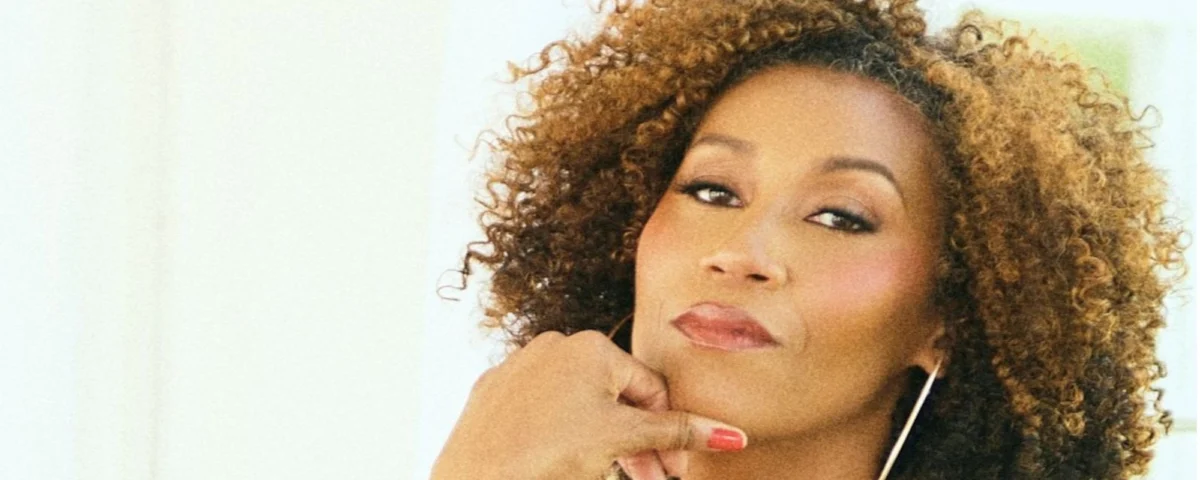
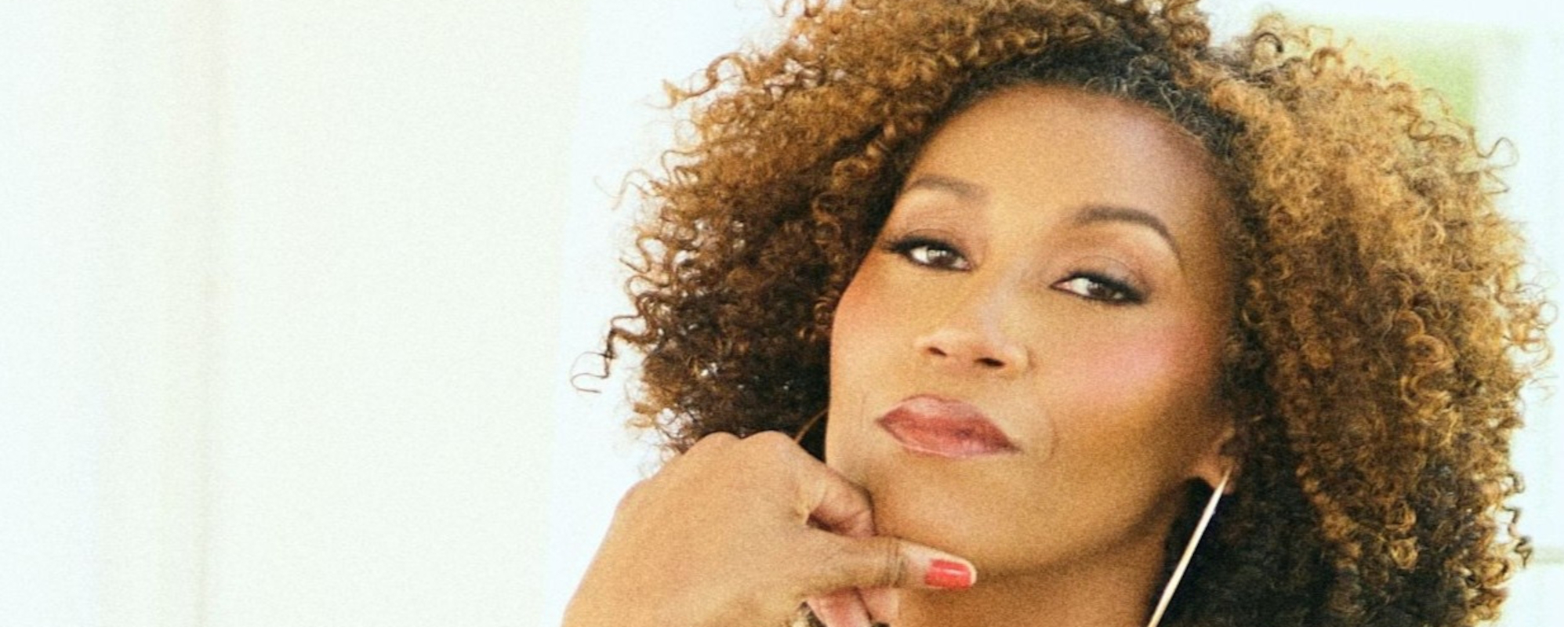
The contemporary country music landscape is currently experiencing a period of significant transformation, marked by a renewed interest in the diverse voices that have long contributed to the genre’s foundation. At the center of this cultural shift is Rissi Palmer, a pioneering artist whose latest project, the EP titled Perspectives, serves as both a personal manifesto and a masterclass in roots-driven storytelling. Released in February, the four-song collection represents a pivotal moment in Palmer’s career, one where she fully embraces the multifaceted nature of her identity as a Black woman, a mother, an advocate, and a veteran of the music industry. In a recent dialogue regarding the project, Palmer expressed a profound sense of ownership over this new chapter, noting that the EP reflects a "different side" of her artistry—one that is unburdened by industry expectations and deeply rooted in her lived experience.
The genesis of Perspectives was not a linear path but rather an organic evolution. Originally, the lead single, "Old Black Southern Woman," was intended to be part of a forthcoming full-length album. However, as Palmer delved deeper into the recording process, she realized that the song, and several others she was developing, possessed a unique thematic synergy that demanded its own space. This realization led to the decision to release an EP first, providing a concentrated look at her current worldview. To bring this vision to life, Palmer collaborated with her longtime friend and collaborator, Shannon Sanders. Sanders, a Grammy Award-winning producer and songwriter known for his work with artists like India.Arie and John Legend, provided the necessary sonic backdrop to allow Palmer’s "rootsy, soulful, and honest" take on country music to flourish.
The Artistic Evolution and Production of Perspectives
The collaboration between Palmer and Sanders is a cornerstone of the EP’s success. By stripping back the glossy production often associated with mainstream Nashville releases, the duo focused on a sound that honors the traditions of bluegrass and soul. This aesthetic choice was intentional, aimed at reclaiming Palmer’s place within the country genre on her own terms. The project explores a wide range of themes, from the weight of ancestral legacy to the modern complexities of dating in one’s 40s. According to Palmer, the overarching goal was to create a cohesive narrative that reflects the various "perspectives" from which she now views her life and career.
One of the most striking elements of the EP is the inclusion of "Can You Run?" a cover of a track originally performed by The SteelDrivers. The song, which depicts an enslaved person’s harrowing journey toward freedom during the American Civil War, takes on a new dimension when filtered through Palmer’s voice. The suggestion to record the song came from Alice Randall, the esteemed author and songwriter who famously wrote "XXL" for Trisha Yearwood and has been a vocal advocate for the recognition of Black contributions to country music. Palmer noted that the context of the performer fundamentally alters the meaning of the lyrics. While the original version, sung by Chris Stapleton, is a powerful third-person narrative, Palmer’s rendition is an act of reclamation. As a descendant of enslaved people, her performance transforms the song into a personal history, highlighting the "through lines" that connect the past to the present.
A Chronology of Resilience and Advocacy
To understand the significance of Perspectives, one must look at the trajectory of Rissi Palmer’s career. In 2007, Palmer made history as the first Black woman to chart a country song on the Billboard Hot Country Songs chart in two decades with her debut single, "Country Girl." Despite this early success, she faced the systemic barriers that have historically marginalized artists of color in the Nashville establishment. After a period of relative quiet in the mainstream, Palmer re-emerged not just as a singer, but as a formidable advocate and media personality.
In 2020, Palmer launched "Color Me Country" on Apple Music Country, a radio show dedicated to highlighting the Black, Indigenous, and Latinx voices that have been part of the country music fabric since its inception. This platform, along with the subsequent Color Me Country Artist Grant Fund, has positioned Palmer as a central figure in the movement for equity within the genre. The Perspectives EP is the musical manifestation of this advocacy work. It is the sound of an artist who has spent years fighting for a seat at the table and has now decided to build her own, bringing her community along with her.
Analyzing the Thematic Core: Good To Me and Old Black Southern Woman
The songwriting on Perspectives is characterized by a raw, autobiographical vulnerability. "Good To Me," co-written by Palmer, Sanders, and Hilton Wright II, is a standout track that addresses the realities of life after divorce. At 44, Palmer uses the song to explore the nuances of dating with a sense of self-assuredness that only comes with maturity. The lyrics eschew the tropes of romantic desperation, instead focusing on a demand for basic respect and emotional intelligence. Palmer describes the writing process as a "cerebral exercise," one that forced her to confront her own desires and boundaries.
However, the emotional heart of the EP is undoubtedly "Old Black Southern Woman." Palmer reveals that the song’s concept came to her in a dream, a common occurrence in her "internal" and "cerebral" songwriting process. The track serves as a bridge between generations, specifically honoring the influence of her mother and grandmother. A particularly poignant line in the song—"I want to honor her by healing, trusting and believing / That every curse my family claimed ends with me"—underscores Palmer’s commitment to breaking cycles of generational trauma.
The music video for the song further emphasizes this theme, featuring archival photographs of her ancestors. The visual narrative concludes with a powerful image of Palmer standing with her two daughters, looking at a photograph of her late mother. For Palmer, the song is an appreciation of the "blessing that is growing old." It is a reflection on the things she wished her mother could have seen and a vow to be present for her own daughters in ways that her mother, who passed away young, could not.
Broader Impact and the Future of Country Music
The release of Perspectives comes at a time when the conversation around race and country music has reached a fever pitch. With high-profile projects from artists like Beyoncé and the continued rise of performers like Mickey Guyton and Brittney Spencer, the genre is being forced to reckon with its exclusionary past. Palmer’s EP contributes to this dialogue by providing a blueprint for how to integrate traditional country sounds with modern, intersectional perspectives.
The EP concludes with a cover of Loretta Lynn’s "Somebody Somewhere (Don’t Know What He’s Missin’ Tonight)," a choice that reaffirms Palmer’s deep-seated love for the genre’s legends. By ending the project with a nod to a traditional country icon, Palmer asserts her right to the heritage of the music. She describes the project as a way to "reach back" while simultaneously taking an assessment of her current growth.
The implications of Palmer’s work extend beyond her own discography. As an independent artist, her success with Perspectives demonstrates the viability of a career built outside the traditional label system. Her dual role as a creator and a curator has empowered a new generation of artists of color to pursue country music without compromising their identities. The "second chapter" that Palmer speaks of is not just her own; it is a second chapter for the genre itself, one characterized by greater transparency and inclusivity.
Implications for the Industry
The success of Perspectives and Palmer’s ongoing advocacy suggest several long-term shifts in the music industry:
- The Rise of the Independent Vanguard: Palmer’s ability to garner critical acclaim and maintain a loyal fanbase through independent releases highlights the waning power of major Nashville labels to act as sole gatekeepers.
- The Value of Contextual Storytelling: The reception of "Can You Run?" suggests that audiences are increasingly interested in music that acknowledges historical context and personal heritage, rather than just commercial appeal.
- The Maturity Market: By writing about divorce and aging in her 40s, Palmer is tapping into an underserved demographic within country music—adult listeners who seek stories that reflect their own complex life stages.
- Advocacy as Art: Palmer’s career proves that an artist’s platform can be as influential as their music. Her work with "Color Me Country" has created a feedback loop where her advocacy informs her art, and her art strengthens her advocacy.
As Rissi Palmer looks toward the future, she remains guided by her intuition. Her perspective, as the EP title suggests, is not static; it is an evolving entity that grows with her experiences. In her own words, the "beauty of getting older" is the opportunity to have multiple chapters, each one more informed and grounded than the last. With Perspectives, Palmer has not only honored her past but has also laid a firm foundation for whatever her "third chapter" may hold. The project stands as a testament to the power of resilience and the enduring relevance of a voice that refuses to be silenced.