 admin
admin
In an era defined by the rapid evolution of digital media and changing educational paradigms, the landscape of children’s ministry and religious education is undergoing a significant transformation. As traditional pedagogical methods face increasing competition from high-stimulus digital entertainment, organizations such as Bible Games Central, Let the Little Children Come, and specialized performers like those at Juggling World are pioneering a new frontier in "edutainment." This movement seeks to bridge the gap between ancient theological narratives and the cognitive preferences of the 21st-century learner. By integrating gamification, interactive puzzles, and kinesthetic performance arts, these entities are redefining how moral and spiritual concepts are transmitted to the next generation.
The Shift Toward Gamified Theological Instruction
The cornerstone of this modern approach is the strategic use of gamification—the application of game-design elements in non-game contexts. Bible Games Central has emerged as a leader in this sector, producing specialized tools like "Parable Parade" and "Bible Bingo." These are not merely recreational activities; they are structured educational instruments designed to lower the barrier to entry for complex biblical literature.
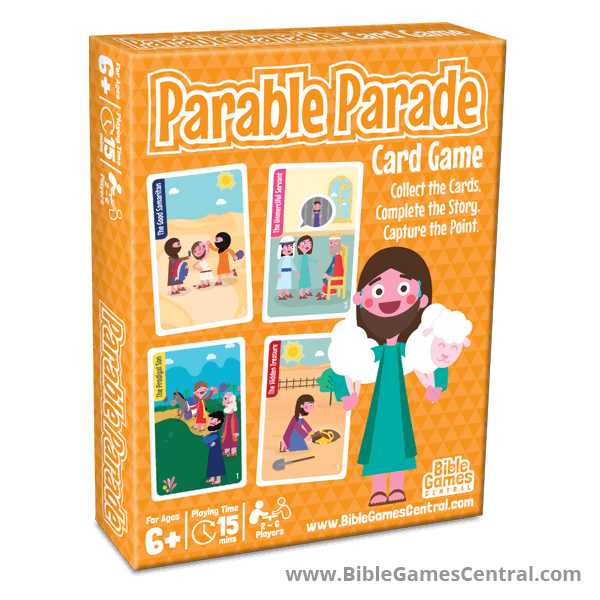
Parable Parade, for instance, utilizes a "push-your-luck" mechanic common in modern board gaming. Players attempt to complete sets of cards representing 12 distinct parables, each requiring four specific components to finalize the story. The inclusion of an "Oopsie" card introduces an element of risk management and probability, keeping young learners engaged through tension and reward. From a pedagogical standpoint, this method leverages the "testing effect," where the act of retrieving information (in this case, identifying story components) strengthens long-term memory more effectively than passive reading.
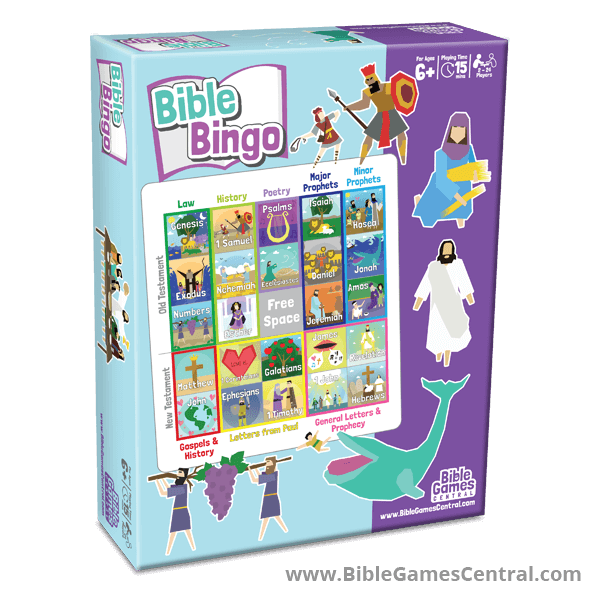
Similarly, Bible Bingo addresses a common challenge in religious literacy: navigating the complex structure of the Bible. By gamifying the identification of various books and their thematic organization, the tool transforms a potentially dry memorization task into a competitive and social experience. Industry data suggests that gamified learning can increase student engagement by up to 60%, a statistic that religious educators are increasingly eager to replicate in congregational settings.
Digital Integration and the Evolution of Puzzles
As educational environments shift toward hybrid models—combining physical and digital resources—platforms like "I’m A Puzzle" have adapted traditional jigsaw mechanics for the digital age. The integration of church-related imagery into digital jigsaw puzzles offers a multifaceted learning experience.
Jigsaw puzzles have long been recognized by developmental psychologists for their ability to improve spatial reasoning and cognitive flexibility. When these puzzles are themed around specific religious events or doctrines, they serve as a form of "slow media." Unlike the rapid-fire consumption of short-form video content, completing a digital puzzle requires sustained attention to detail. This duration of engagement provides a unique window for educators to discuss the underlying themes of the image being reconstructed. The transition from physical cardboard to digital interfaces allows for greater accessibility, enabling Sunday School teachers to distribute resources via QR codes or web links, ensuring that the learning process continues beyond the physical classroom.
Kinesthetic Learning: The Role of Performance Arts in Ministry
Beyond static games and digital puzzles, the use of kinesthetic learning—learning through physical activity—has seen a resurgence through specialized ministry tools such as Gospel Juggling. This approach, popularized by performers across the United Kingdom and promoted via digital platforms like YouTube, utilizes the visual spectacle of juggling to illustrate abstract theological concepts.
The effectiveness of this method is rooted in the "dual-coding theory," which suggests that information is better retained when it is presented both verbally and visually. A "Gospel Juggler" does not merely perform tricks; they use the rhythm, balance, and coordination of the objects to create a living metaphor for the narratives they describe. This form of "visual liturgy" is particularly effective for neurodivergent learners or children with high energy levels who may struggle with traditional lecture-based formats. The availability of these performances on global video-sharing platforms has democratized access to these specialized teaching methods, allowing local volunteers to utilize high-quality performance art in their own small-group settings.

Engineering Engagement: Animated and Interactive Print Media
The physical tract—a staple of religious outreach for centuries—has also seen a technological upgrade. "Let the Little Children Come" has pioneered the use of "Animated Tracts," which utilize lenticular-style overlays or moiré patterns to create the illusion of movement on a printed page.
These "scanimation" tools represent a sophisticated intersection of optical science and storytelling. By placing a transparent, lined plastic sheet over a specially encoded image, the viewer can see figures move, hearts beat, or scenes transform. This tactile interaction serves a dual purpose: it captures the "wonder" and "imagination" of the child while serving as a conversation starter. In a world where paper media is often viewed as obsolete by younger demographics, these engineered physical objects provide a "wow factor" that encourages the recipient to keep and revisit the material.
Chronology of Innovation in Religious Education
The evolution of these tools can be traced through a clear timeline of educational shifts:

- The Traditional Era (Pre-1950s): Instruction was primarily oral and text-based, relying on rote memorization of catechisms and scriptures.
- The Visual Era (1950s–1980s): The introduction of flannelgraphs and filmstrips brought a visual dimension to the classroom, allowing for more dynamic storytelling.
- The Multimedia Era (1990s–2010s): The rise of VHS, DVD, and early computer software introduced animation and interactive "point-and-click" games into the curriculum.
- The Integrated Era (2010s–Present): The current landscape features a seamless blend of physical board games, digital puzzles, and high-production-value video content, all designed to work in tandem.
Market Context and Supporting Data
The push toward these innovative resources is supported by broader trends in the global toy and education markets. According to market research, the global board game market was valued at approximately $11.88 billion in 2022 and is projected to reach $26 billion by 2030. Within this, the "educational games" segment is one of the fastest-growing niches.
Furthermore, a study by the Barna Group on "The Open Generation" indicated that while many young people remain interested in spiritual questions, they are increasingly looking for authenticity and engagement rather than passive attendance. Educators who utilize interactive tools report a significant increase in "dwell time"—the amount of time a child remains focused on a specific lesson. For instance, a standard lesson might hold a child’s attention for 10–15 minutes, whereas a well-designed board game like Parable Parade can extend that engagement to 30–45 minutes.
Broader Impact and Implications for the Future
The implications of this shift extend beyond the walls of the church or the classroom. By prioritizing engagement and interactive learning, these organizations are fostering a more inclusive environment for children with diverse learning styles. The move toward "open-source" or free digital resources—such as the Thanksgiving and Christmas game ideas provided by Bible Games Central—also addresses the socioeconomic barriers that some smaller communities face when trying to modernize their educational offerings.

However, the rise of these tools also presents a challenge to traditionalists. The primary concern often cited is whether the "message" is being lost in the "medium." To counter this, developers have integrated "handy reference and summary cards" into their games, ensuring that the fun of the game always leads back to a structured discussion of the core content. This "funnel" approach—where the game acts as the wide opening that narrows down into specific learning objectives—is becoming the standard for effective modern ministry.
As we look toward the future, the integration of Augmented Reality (AR) and Virtual Reality (VR) seems to be the next logical step. Some organizations are already experimenting with AR tracts that come to life when viewed through a smartphone camera. While these high-tech solutions are exciting, the current success of physical board games and puzzles suggests that there remains a deep-seated human desire for tactile, face-to-face interaction. The most successful educators will likely be those who can balance the high-tech allure of digital puzzles with the timeless appeal of a well-told story, a shared game, or a skillfully juggled routine.