
 admin
admin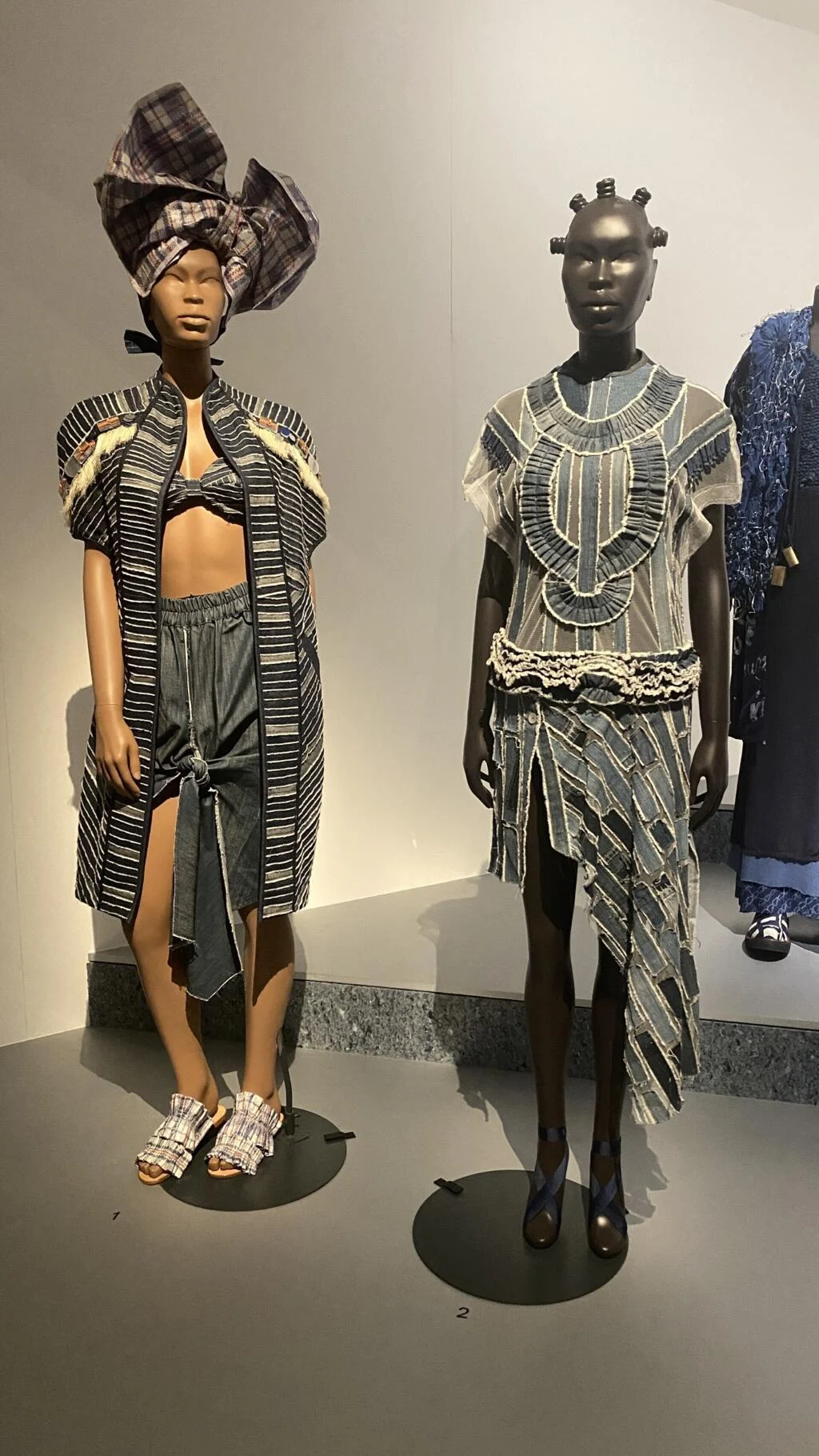
The arrival of the landmark exhibition Africa Fashion at the Musée du Quai Branly–Jacques Chirac in Paris marks a pivotal moment in the global recognition of African design, bringing a sprawling narrative of creativity, politics, and identity to the heart of the world’s fashion capital. Originally curated by the Victoria and Albert Museum (V&A) in London, the exhibition has undergone a multi-city global tour, stopping in New York, Portland, Chicago, Melbourne, and Montreal before reaching its current home in Paris. This iteration of the showcase, which runs until July 12, 2026, serves as a comprehensive survey of the continent’s sartorial evolution, spanning from the mid-20th-century independence era to the cutting-edge contemporary scenes of the 2020s. By placing African craftsmanship within the prestigious halls of the Quai Branly, the exhibition challenges long-standing Western-centric fashion histories and asserts the agency of African designers who have, for decades, shaped global trends from within their own cultural frameworks.
The exhibition is structured as both a historical retrospective and a forward-looking celebration of innovation. It features over 250 objects, including garments, textiles, photographs, sketches, and film clips, all curated to demonstrate that African fashion is not a monolith but a diverse tapestry of regional styles and individual artistic voices. At the core of the presentation is the concept of "agency"—the power of African people to define their own identities through what they wear. This theme is particularly resonant in Paris, a city that has historically been both a training ground for African designers and a gatekeeper of the global fashion industry. The presence of these works in the Quai Branly suggests a shifting tide in how the international community perceives African luxury and haute couture.
Historical Foundations and the Year of Africa
To understand the contemporary dynamism of African fashion, the exhibition delves deep into the transformative period of the 1950s and 1960s. This era, often defined by the "Year of Africa" in 1960—when 17 nations gained independence from colonial rule—saw fashion become a primary tool for political expression. As nations reclaimed their sovereignty, a new sense of pride manifested in the arts. Designers and citizens alike began to reject colonial dress codes in favor of styles that merged traditional heritage with modern aspirations.
The exhibition highlights the work of "vanguard designers" who laid the groundwork for the modern industry. Among these is Shade Thomas-Fahm, often referred to as Nigeria’s first modern fashion designer. Thomas-Fahm was instrumental in reinterpreting traditional Nigerian textiles and silhouettes for the modern woman, famously adapting the iro and buba into styles that suited the fast-paced life of the newly independent urban elite. Similarly, the showcase pays homage to Chris Seydou of Mali, who gained international acclaim for his innovative use of bògòlanfini (mud cloth). Seydou’s ability to take a traditional, ritualistic fabric and transform it into tailored, Western-style suits and dresses paved the way for future generations to view indigenous textiles as high-fashion materials.
This historical section is bolstered by archival photography and film, which capture the vibrant street styles of Lagos, Bamako, and Dakar during the mid-century. These images serve as evidence of a burgeoning middle class that used fashion to signal a break from the past and a commitment to a pan-African future. The exhibition successfully argues that the "African fashion boom" often discussed in modern media is actually a continuation of a sophisticated movement that began over 70 years ago.
The Global Tour and Curatorial Evolution
Christine Checinska, the V&A’s Senior Curator of African and African Diaspora Fashion, has been the driving force behind the exhibition’s journey. In her discussions regarding the Paris debut, Checinska emphasized that while the core narrative of the show remains consistent, each location adds its own local "resonance." The Paris edition is unique because of the city’s complex historical relationship with the African continent and its status as a hub for haute couture.

"The narrative has always been about trying to give people a glimpse of the politics and glamour of the African fashion scene," Checinska noted. She explained that the exhibition is designed to counter the "poverty-stricken" or "exoticized" tropes often associated with Africa in Western media. Instead, it presents a story of "abundance and unbounded creativity." For the Paris showing, the curatorial team collaborated with local museums to integrate additional photography and textiles, ensuring the exhibition felt fresh and relevant to the French public.
The tour itself reflects the growing global appetite for African cultural products. According to data from various host institutions, the "Africa Fashion" exhibition has consistently drawn large, diverse crowds, suggesting that the "African creative economy" is no longer a niche interest. By touring through North America, Australia, and now Europe, the exhibition has built a global dialogue around the ethics of fashion, the importance of sustainable heritage crafts, and the need for more inclusive representation in museum spaces.
Contemporary Visionaries and Haute Couture
A significant portion of the exhibition is dedicated to the designers who are currently redefining the global fashion landscape. Chief among them is Cameroonian designer Imane Ayissi, whose work serves as a bridge between African raw materials and the rigorous standards of Parisian haute couture. In 2020, Ayissi made history as the first designer from sub-Saharan Africa to be invited by the Fédération de la Haute Couture et de la Mode to show on the official Paris Fashion Week calendar.
Ayissi’s featured piece in the exhibition, "Mbeuk Idourrou," is a striking example of his philosophy. The ensemble, a vibrant hot-pink cape made of embroidered silk and linen, features a fringe of raffia sourced from Madagascar. The name, derived from the Beti language of Cameroon, translates to "He or she who wears a garment that is impressive." Ayissi’s presence in the exhibition is a testament to the "subtle and elegant blend of different cultural mixes" that Checinska describes. His work avoids the clichéd use of "wax prints"—which, despite their popularity, have complex colonial origins—and instead focuses on indigenous African weaves like kente, manjak, and faso dan fani.
Other contemporary designers featured include Nkwo Onwuka of Nigeria, whose brand NKWO is a leader in sustainable fashion. Her "Who Knew" collection, showcased in the exhibition, utilizes "Dakala cloth"—a new fabric created from stripped-down denim offcuts and traditional weaving techniques. This focus on sustainability is a recurring theme throughout the exhibition, highlighting how many African designers have long practiced "circular fashion" out of respect for resources and community traditions, long before the term became a trend in the West.
Supporting Data: The Rise of the African Fashion Industry
The "Africa Fashion" exhibition arrives at a time when the continent’s fashion industry is experiencing unprecedented growth. According to a 2023 report by UNESCO, the African fashion industry is currently valued at approximately $15.5 billion in exports annually. The report suggests that with the right investment and infrastructure, this figure could triple over the next decade.
Key statistics supporting the industry’s expansion include:

- Demographics: Africa has the world’s youngest population, with 60% of people under the age of 25. This demographic is increasingly tech-savvy and fashion-conscious, driving domestic demand for local brands over imported fast fashion.
- Digital Growth: E-commerce platforms across Nigeria, South Africa, and Kenya have seen a 35% increase in the sale of "Made in Africa" apparel over the last three years.
- Global Presence: Since 2019, there has been a 40% increase in African designers featured in major international luxury retailers like Net-a-Porter, Selfridges, and Galeries Lafayette.
The Quai Branly exhibition provides the cultural legitimacy that often precedes further economic investment. By framing African fashion as an art form worthy of museum study, it encourages investors and consumers to view these brands as long-term luxury assets rather than fleeting trends.
Broader Impact and Cultural Implications
The significance of hosting this exhibition at the Quai Branly cannot be overstated. The museum, which primarily houses indigenous art from Africa, Asia, Oceania, and the Americas, has often been at the center of debates regarding colonial-era acquisitions and restitution. By hosting a contemporary and historical fashion show that emphasizes African agency and voice, the museum is participating in a broader movement to decolonize cultural institutions.
The exhibition also serves as a point of pride for the African diaspora in France. For many, seeing the craftsmanship of their heritage celebrated in a major French national museum is a powerful validation of their identity. It provides a space where the "joy of dressing up," as Checinska puts it, meets the serious study of textile history and political resistance.
Furthermore, the exhibition highlights the interconnectedness of African fashion with other art forms. Throughout the galleries, the connection between music, movement, and clothing is palpable. From the highlife music scenes of the 60s to the global explosion of Afrobeats today, fashion has always been the visual language of African sound. This holistic approach to culture ensures that visitors leave with an understanding that African fashion is not just about clothes—it is about a way of being in the world.
Conclusion: A New Chapter for Global Style
As "Africa Fashion" continues its run in Paris through the summer of 2026, its legacy is already being felt across the industry. The exhibition has successfully shifted the focus from what the West can "take" from African inspiration to what African designers are "giving" to the global fashion dialogue. It is a story of resilience, innovation, and, above all, beauty.
By documenting the journey from the independence-era pioneers to the modern-day masters of haute couture, the exhibition proves that African fashion is a continuous, evolving force. As curator Christine Checinska concludes, there is no single African style, but rather a shared appreciation for aesthetics and the transformative power of textiles. In the heart of Paris, the Quai Branly has provided a stage for a narrative that is long overdue, ensuring that the world recognizes African fashion as a vital, permanent, and influential pillar of global culture.