 rifanmuazin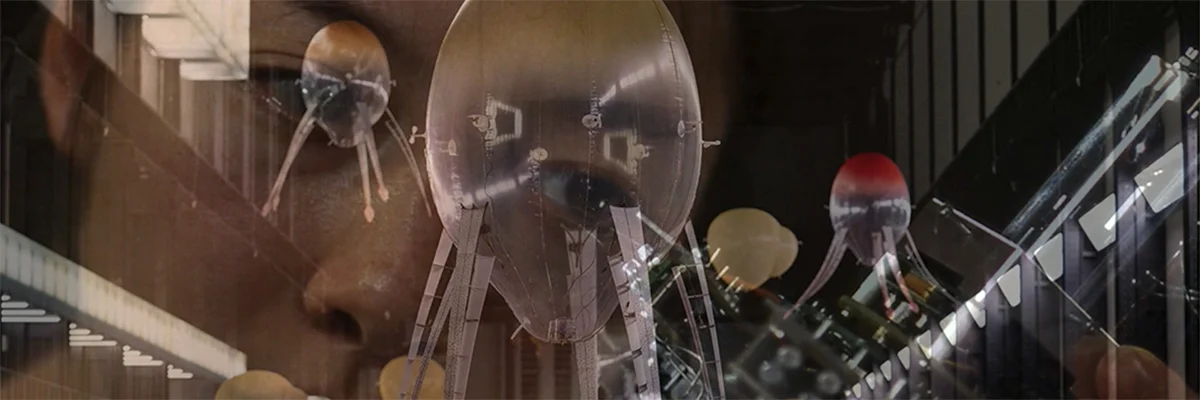
The New Museum has officially reopened its doors on the Bowery in early spring 2026, two years after commencing an ambitious $82 million expansion project that, while missing its original 2025 target, has culminated in a significantly enhanced institutional presence. Under the sustained leadership of longtime director Lisa Phillips, the museum re-emerges embodying its foundational ethos: an ambitious, dynamic, and distinct institution that, famously, does not collect art but rather stages compelling arguments. This reopening arrives at a moment of profound global reflection, coinciding with widespread discourse on "man’s inhumanity to man," a context that imbues its inaugural exhibition, New Humans: Memories of the Future, with particular resonance and urgency.
Architectural Transformation: A Seamless Integration of Past and Future
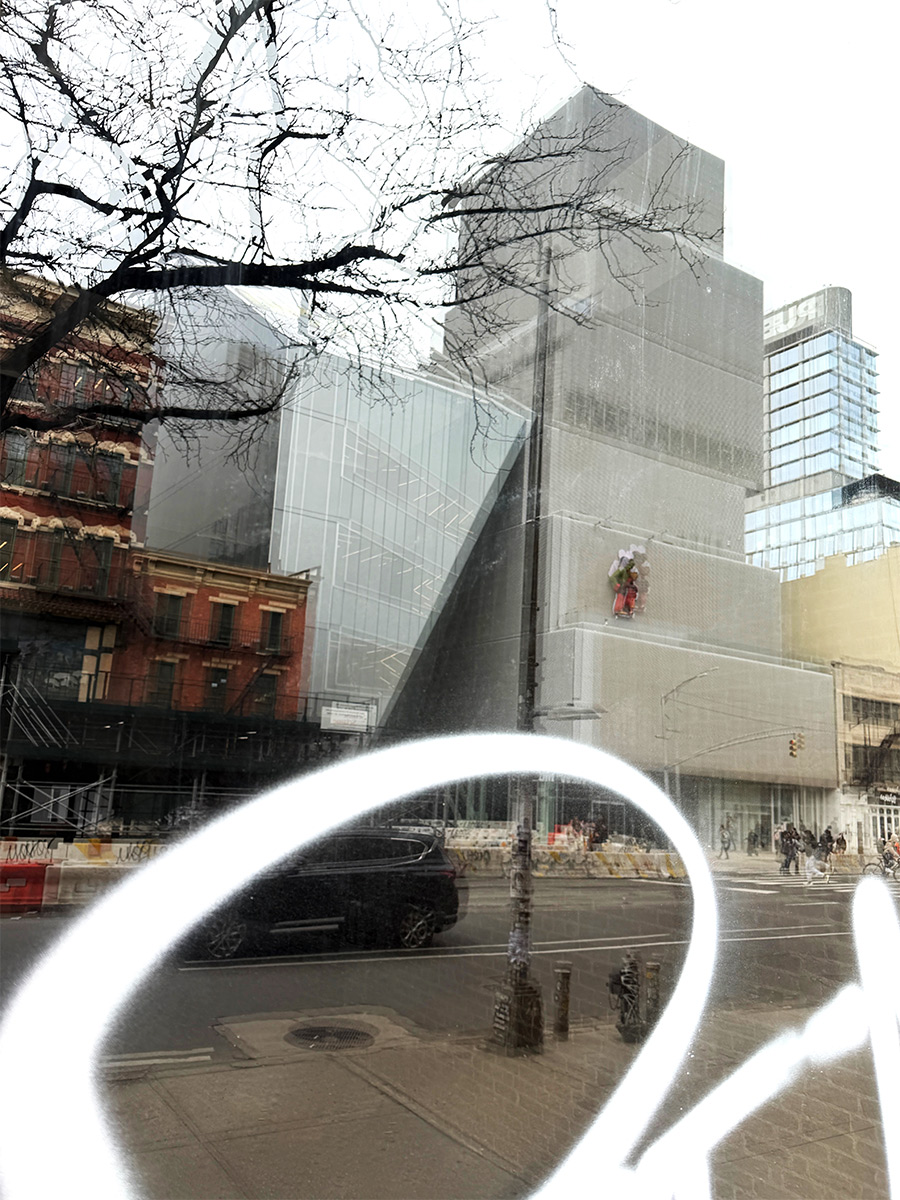
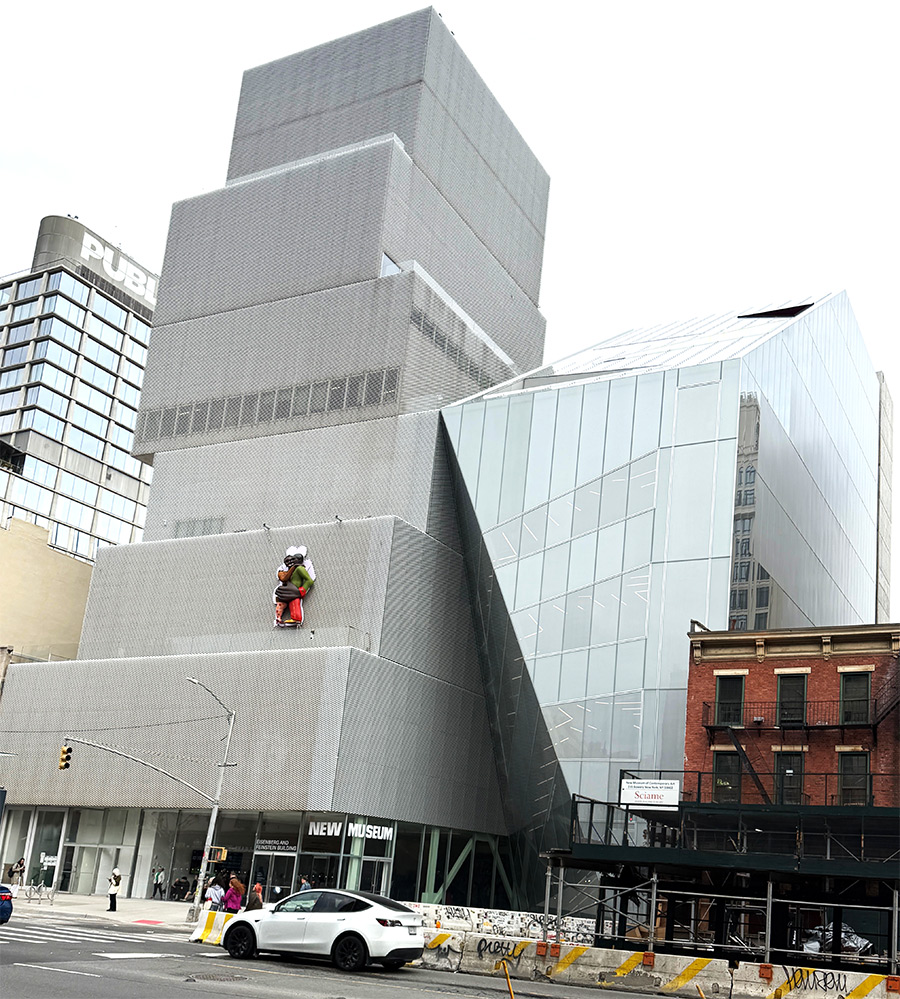
The $82 million expansion has fundamentally redefined the New Museum’s physical capabilities and visitor experience. Designed by the renowned architectural partnership of Rem Koolhaas and Shohei Shigematsu of OMA, the new building is a masterclass in functional elegance, seamlessly integrating with the existing structure while addressing its historical challenges. A primary objective of the expansion was to resolve the museum’s once persistent "quiet headache" of circulation. This has been achieved through the introduction of new elevator banks, a centrally located staircase, and a reconfigured flow that ensures cleaner, more intuitive movement between the original and newly added galleries.
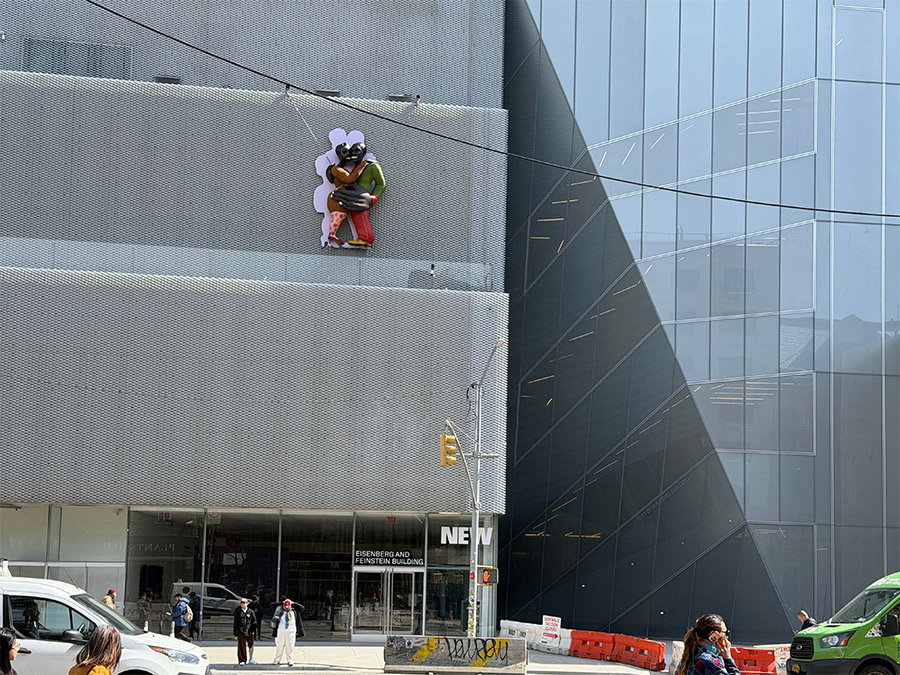
OMA’s design philosophy for the expansion is notably restrained yet impactful. The architects have prioritized functionality, creating spaces that elegantly serve their purpose without overshadowing the art they contain. The result is a structure that "does its job and gets out of the way," a testament to a mature team of designers and theoreticians who understand that architecture, in this context, should facilitate rather than dictate the artistic encounter. The glass façade, a striking feature of the new design, offers "small slices of the city," presenting dynamic, almost cinematic views of the Bowery. These static yet jarring glimpses frame the museum as a "fortress framed in streaming HD clarity," creating a compelling dialogue between the interior artistic explorations and the vibrant urban landscape outside. Once inside, the transitions are so seamless that discerning where the old structure ends and the new begins becomes an almost imperceptible shift, enhancing the immersive quality of the exhibition spaces.
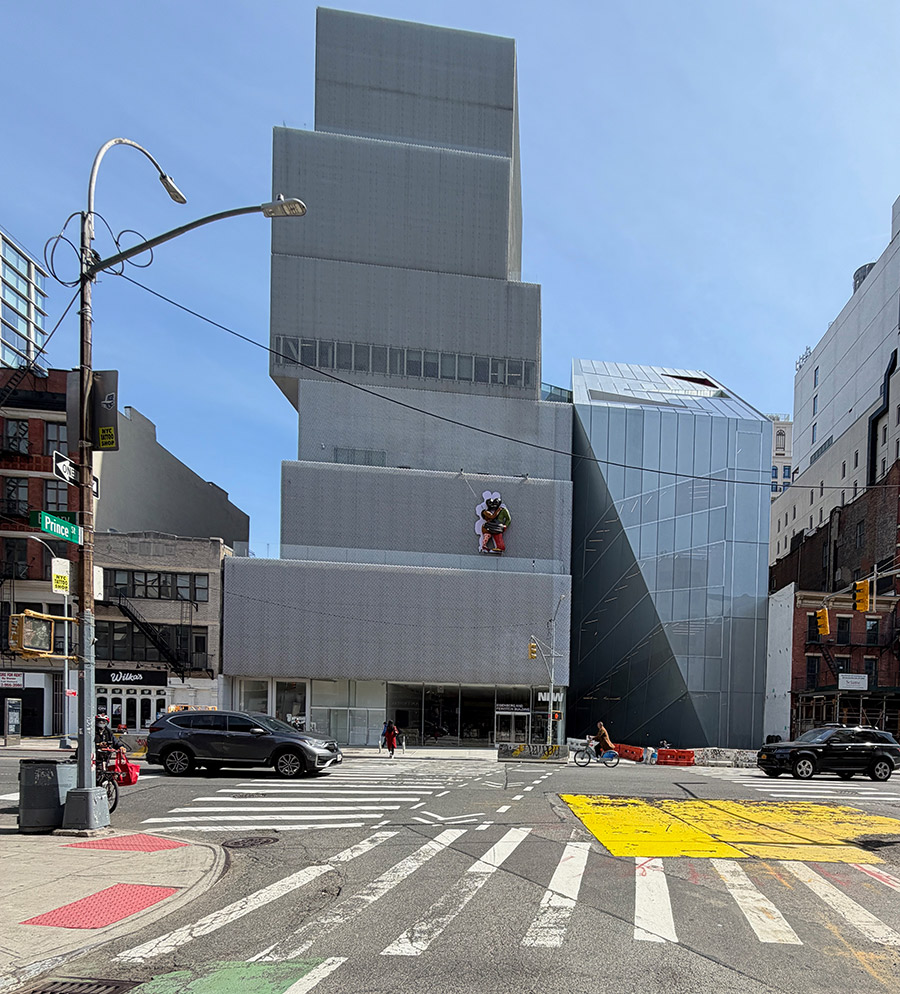
This expansion, initially conceived to accommodate growing visitor numbers and an increasingly ambitious curatorial program, represents a significant investment in the museum’s future. The planning stages for the expansion began several years prior to its completion, with initial designs revealed around 2019-2020. The project aimed to double the museum’s exhibition space, educational facilities, and public amenities, reinforcing its role as a vital cultural hub in Lower Manhattan. The slight delay from the projected 2025 completion to early 2026 is not uncommon for projects of this scale and complexity, particularly those navigating the intricacies of urban development and funding. The successful realization of the project underscores the New Museum’s enduring commitment to evolving its physical infrastructure to match its intellectual ambition.
"New Humans": An Ambitious Curatorial Statement for a Troubled Era
The inaugural exhibition, New Humans: Memories of the Future, is an expansive and intellectually rigorous undertaking, featuring more than 150 artists displayed across multiple floors of the expanded museum. It stands as an ambitious, and at times overwhelming, attempt to comprehensively map the evolving contours of human identity and experience under the immense pressures of our current era – pressures that are technological, political, biological, and existential.
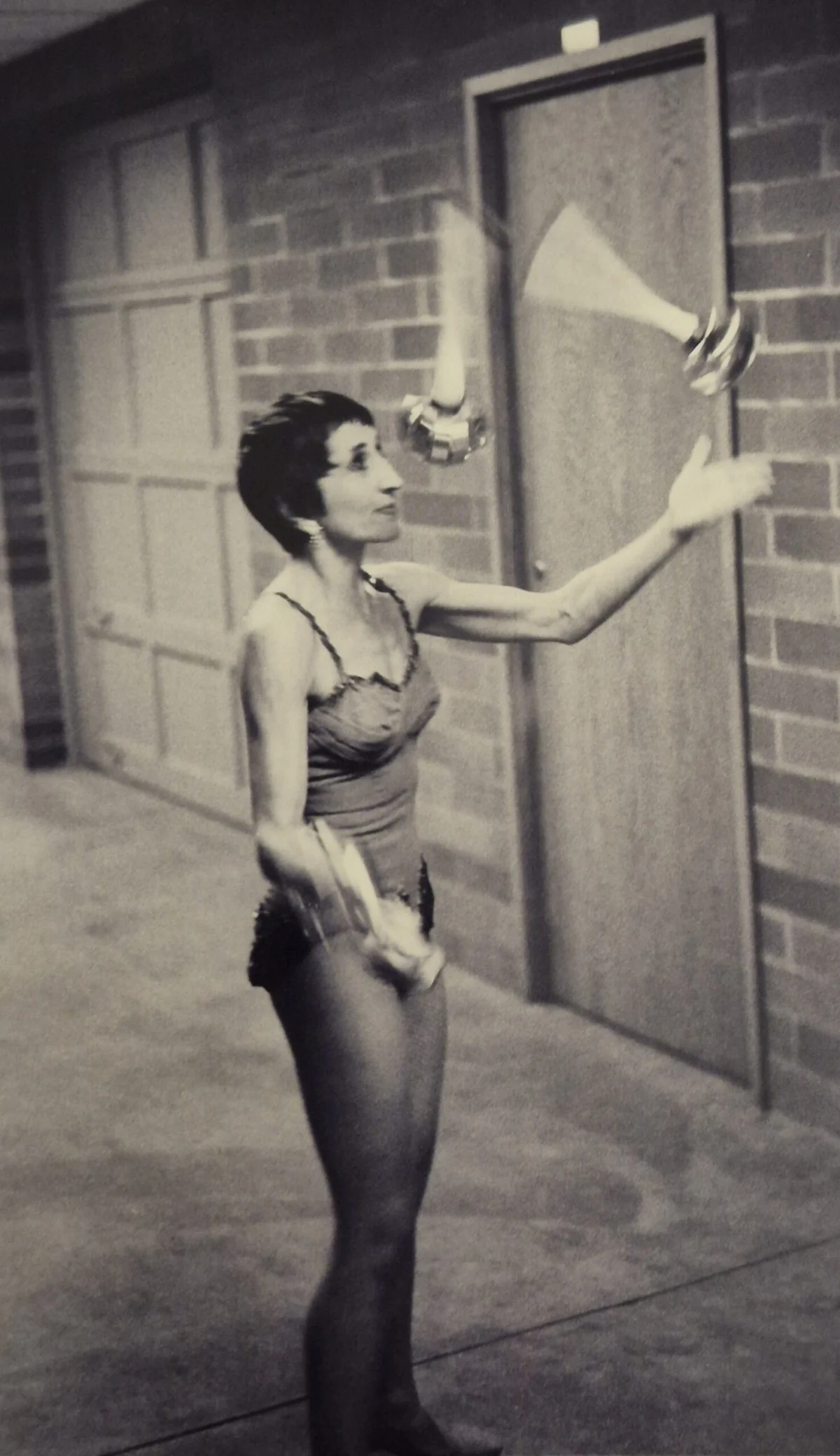
The exhibition’s thematic sections read like a contemporary checklist of global anxieties and obsessions, offering a panoramic view of humanity’s past, present, and potential futures. These sections include: Reproductive Futures, Mechanical Ballets, Prosthetic Gods, Leviathans, Dream Machines, Automatic Women, New Images of Man, Postapocalyptic Creatures, Human Animal, Homunculus, Animacies, Hall of Robots, and The City. Each segment delves into specific facets of how humans have imagined, constructed, and grappled with their own definition, from the dawn of industrialization to the age of artificial intelligence and beyond.
The curatorial team’s objective is clear: to trace a profound throughline across time, demonstrating that the pressing questions surrounding human nature are not novel phenomena born of recent technological advancements like AI. Rather, they are inquiries that have been building, evolving, and echoing through art and thought for at least a century. By juxtaposing earlier experiments and philosophical inquiries with contemporary works, the exhibition reveals a continuous, interconnected dialogue about what it means to be human. As one critic noted, the sheer volume of voices and ideas can feel like a "clattering din," suggesting that even with the museum’s expanded footprint, the profundity of human ideas and dilemmas still seems to demand more space than any single institution, or perhaps even the Earth itself, can contain. This observation speaks to humanity’s "exaggerated sense of self and appetite for exuberance and waste," a core tension explored throughout the exhibition.
A Century of Inquiry: Tracing the Human Condition Through Art
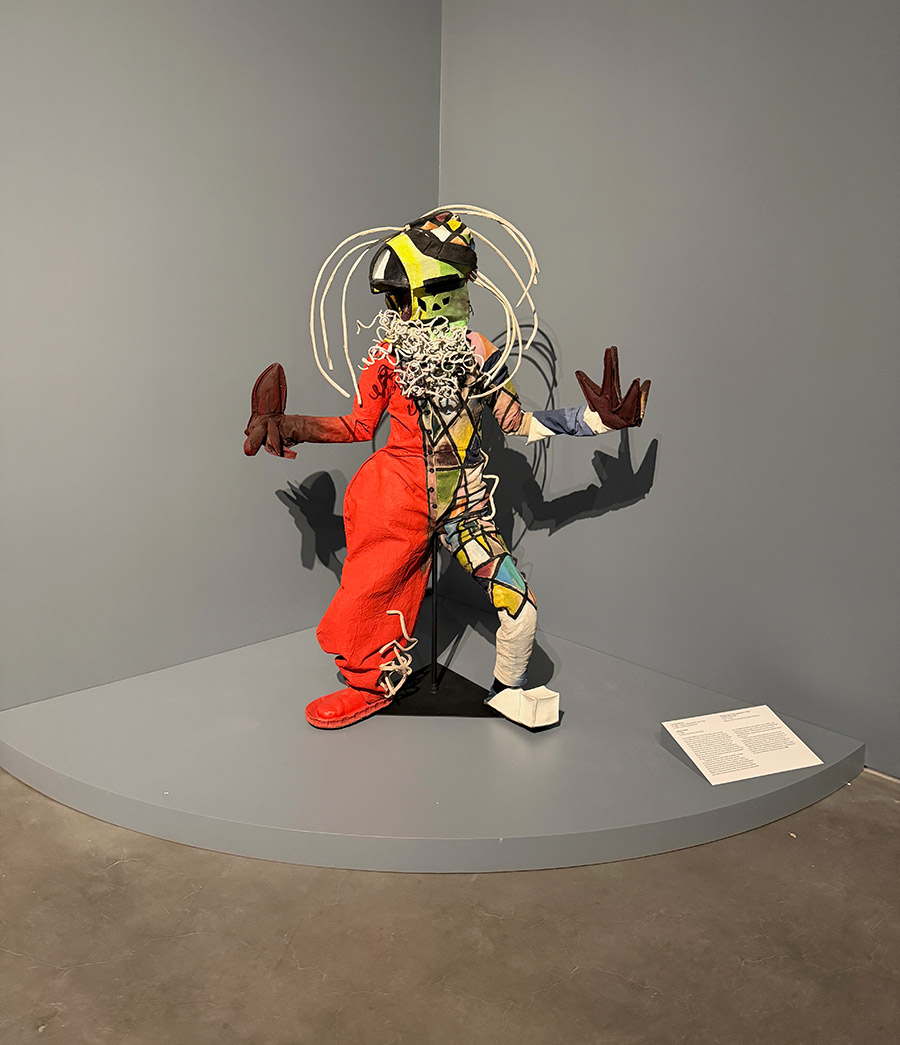
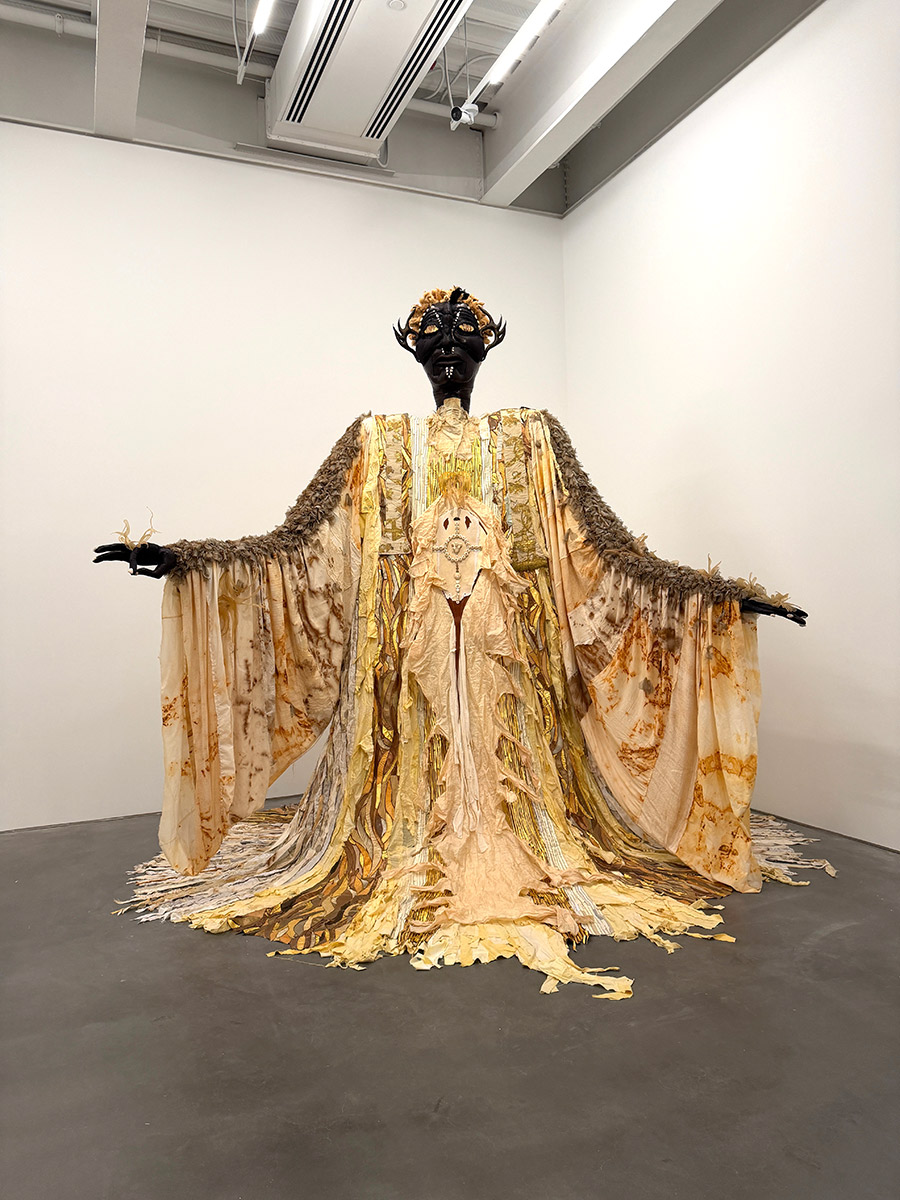
The exhibition excels in its historical depth, demonstrating how artists across different eras have confronted similar existential questions. For instance, Lavinia Schulz and Walter Holdt’s Maskenfigur “Toboggan Mann” (1923, replica 2005-06) from Germany, with its striking, almost alien form, speaks to early 20th-century avant-garde explorations of the human body, movement, and the emerging relationship between humans and machines. This work, created in the interwar period, anticipates later concerns about mechanization and identity, laying a groundwork for the "Mechanical Ballets" and "Prosthetic Gods" sections.
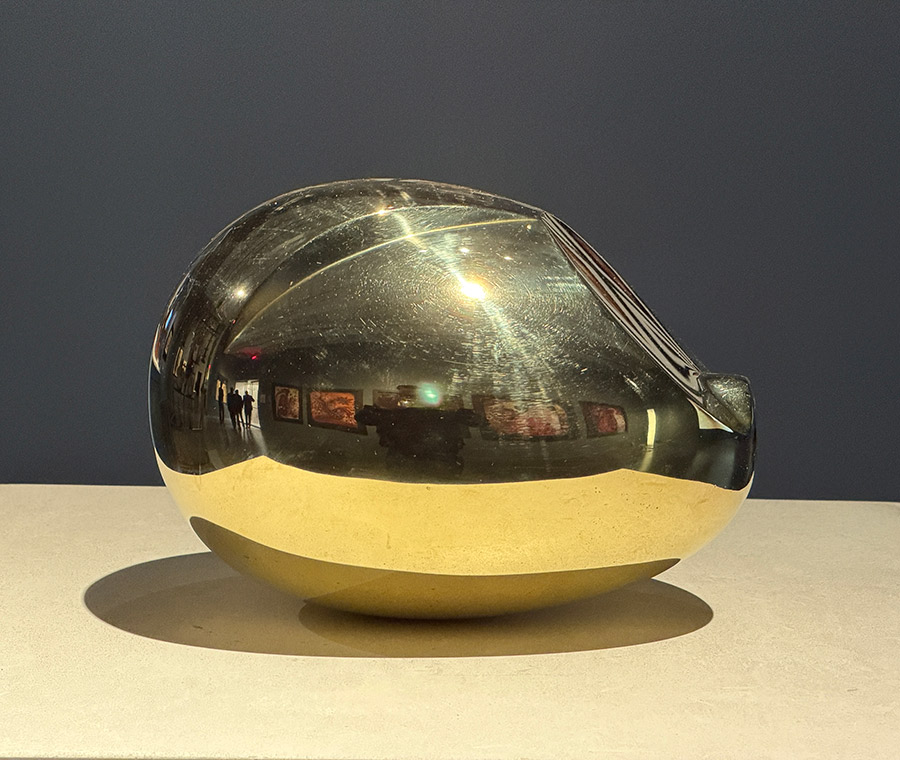
Similarly, Constantin Brâncuși’s Le Nouveau-Ne [I] (1920/2003), a sleek, almost abstract representation of a newborn head, reflects modernism’s quest for essential forms and new beginnings, echoing the exhibition’s theme of "Reproductive Futures" and the continuous rebirth of human identity. Elsa von Freytag-Loringhoven’s Dadaist assemblage God (ca 1917), a plumbing trap mounted on a wooden block, provocatively questions notions of divinity and creation in an age of industrial and spiritual upheaval, resonating with the broader challenges to traditional human self-perception.
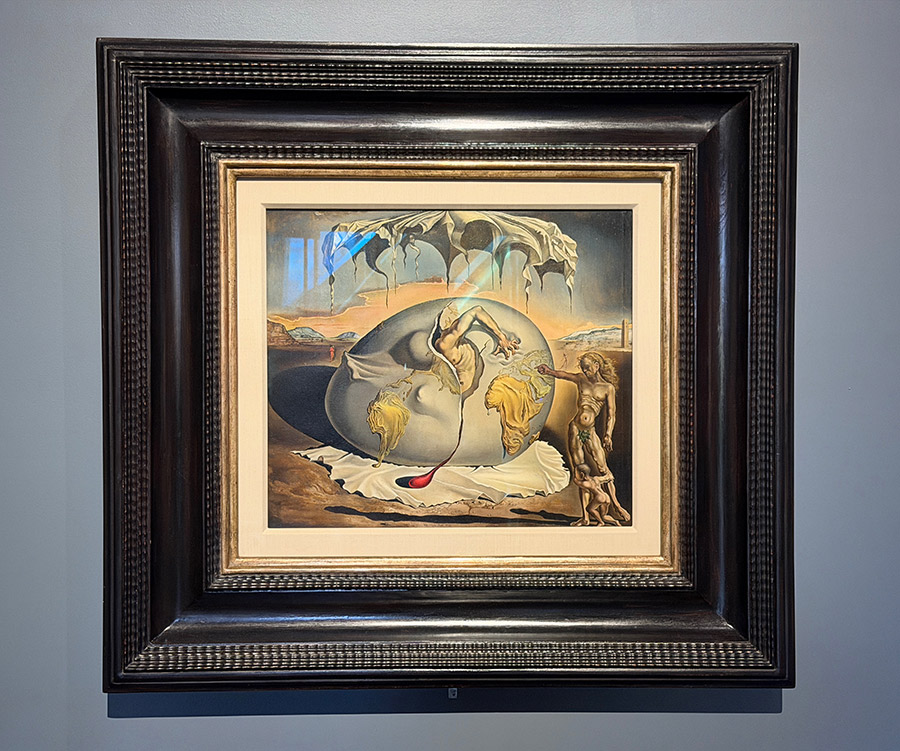
Later in the 20th century, Salvador Dali’s Geopoliticus Child Watching the Birth of the New Man (1943), painted during World War II, powerfully illustrates the anxieties surrounding global conflict and the emergence of a post-war human identity. Its surreal imagery of a figure breaking out of a world egg, observed by a child, connects directly to themes of transformation, conflict, and the uncertain future of humanity. Jean Dubuffet’s Sourire (Tete hilare II) (1948), with its raw, almost primal depiction of a smiling head, delves into the psychological landscape of post-war Europe, exploring the fundamental expressions of human emotion and the grotesque in the face of societal trauma. Francis Bacon’s Study for Self Portrait (1979) continues this exploration of psychological fragmentation, presenting a distorted, visceral image that challenges conventional portraiture and probes the inner turmoil of the individual. Finally, Varvara Stepanova’s Figure (1921) from the Russian Constructivist movement, with its geometric and dynamic representation of the human form, reflects an era attempting to redefine humanity through industrial and revolutionary ideals, feeding into the "Automatic Women" and "New Images of Man" sections.
These historical works collectively demonstrate that the contemporary preoccupation with AI, biotechnology, and environmental collapse is not entirely new; rather, it represents a continuation and intensification of long-standing human concerns about control, transformation, and survival.
Contemporary Voices and Urgent Narratives
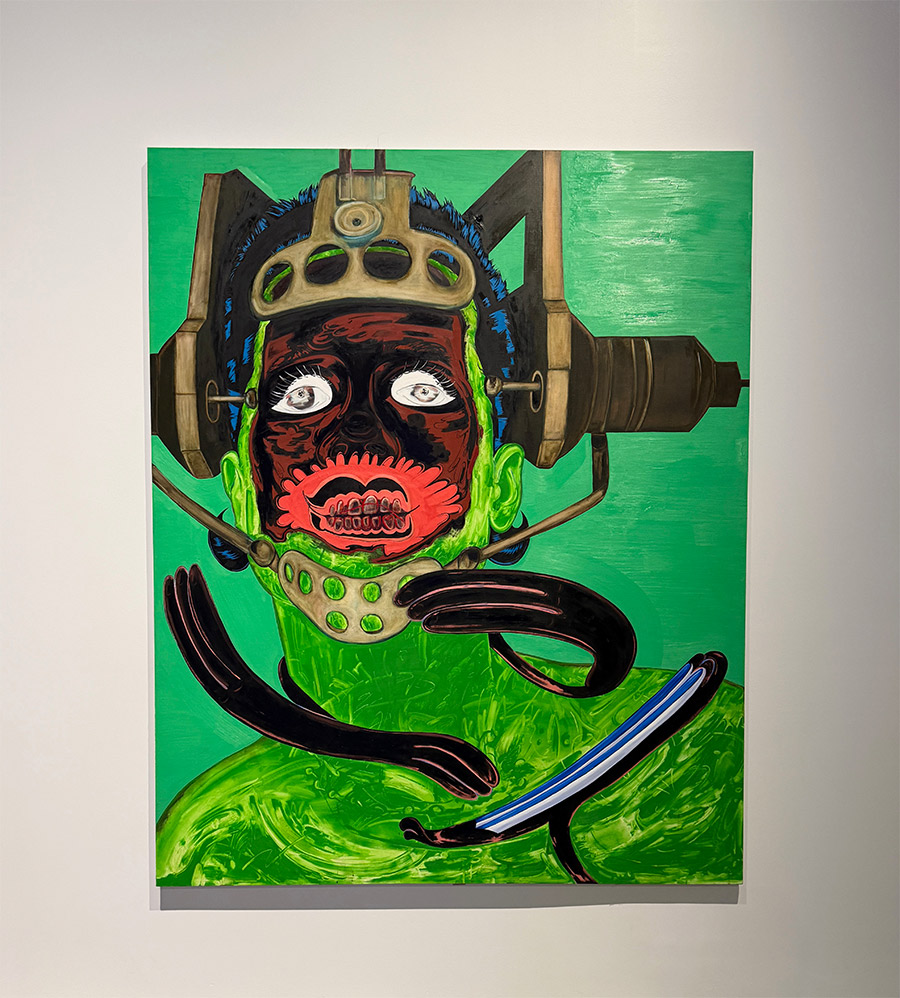
Amidst this rich historical tapestry, contemporary artists contribute vital, often unsettling, perspectives. Janiva Ellis’s Catchphrase Coping Mechanism (2019), for example, offers a vivid and chaotic portrayal of modern psychological states, reflecting the overwhelming nature of information and the strategies individuals employ to navigate mental landscapes filled with anxiety.
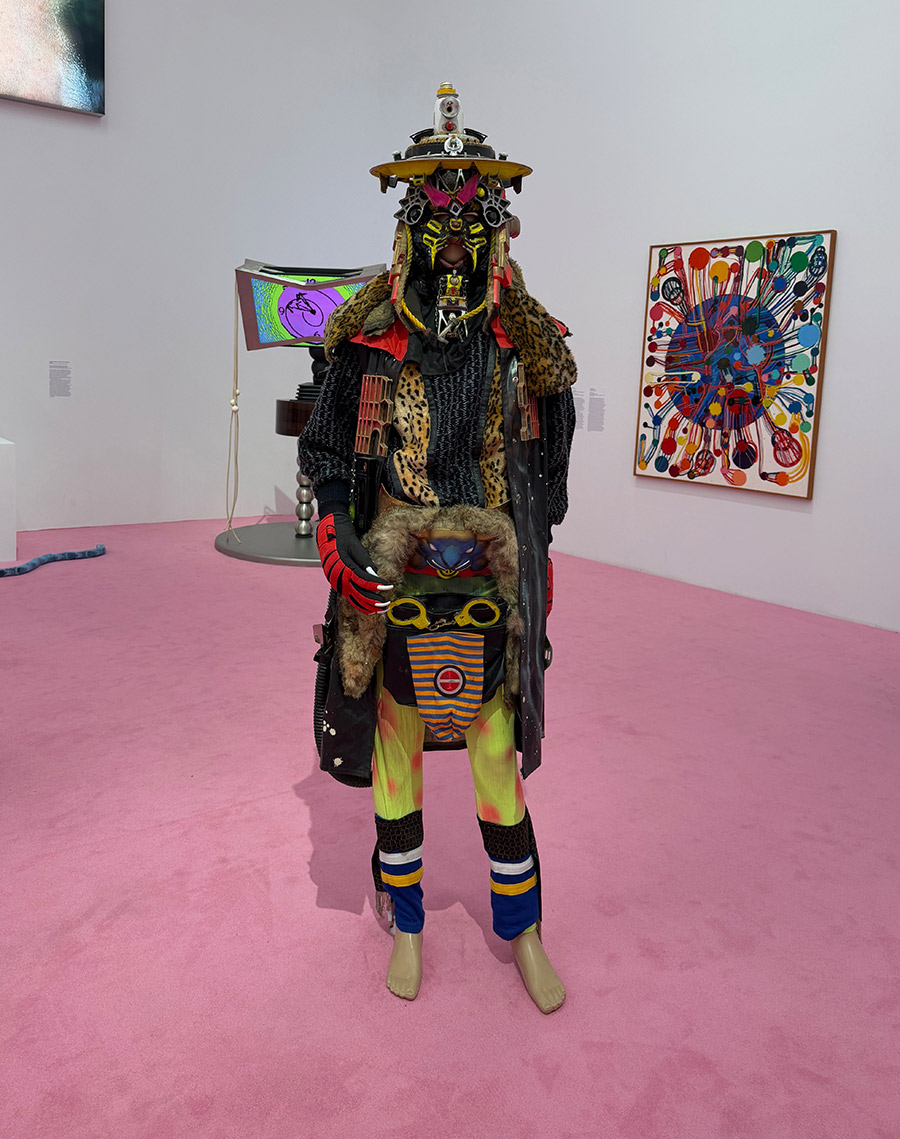
A particularly resonant voice in the exhibition, especially for those familiar with New York’s cultural history, is Rammellzee. His work, such as Chaser the Eraser (1991-2001), transcends simplistic questions about whether we are "post-human." Instead, it asserts that humanity is already engaged in an active, often combative, struggle over the very meaning of being human. Rammellzee’s armored figures and intricate, self-built cosmology – a powerful blend of graffiti theory, science fiction, and raw invention – imagine the body as a force in perpetual motion, constantly adapting, encoding, and defending itself. His artistic vision is not a retreat from humanity but a fierce push deeper into its complexities, expressed through language, conflict, boundless imagination, and an undeniable "dope style." His inclusion grounds the theoretical in a vibrant, rebellious, and distinctly human energy.
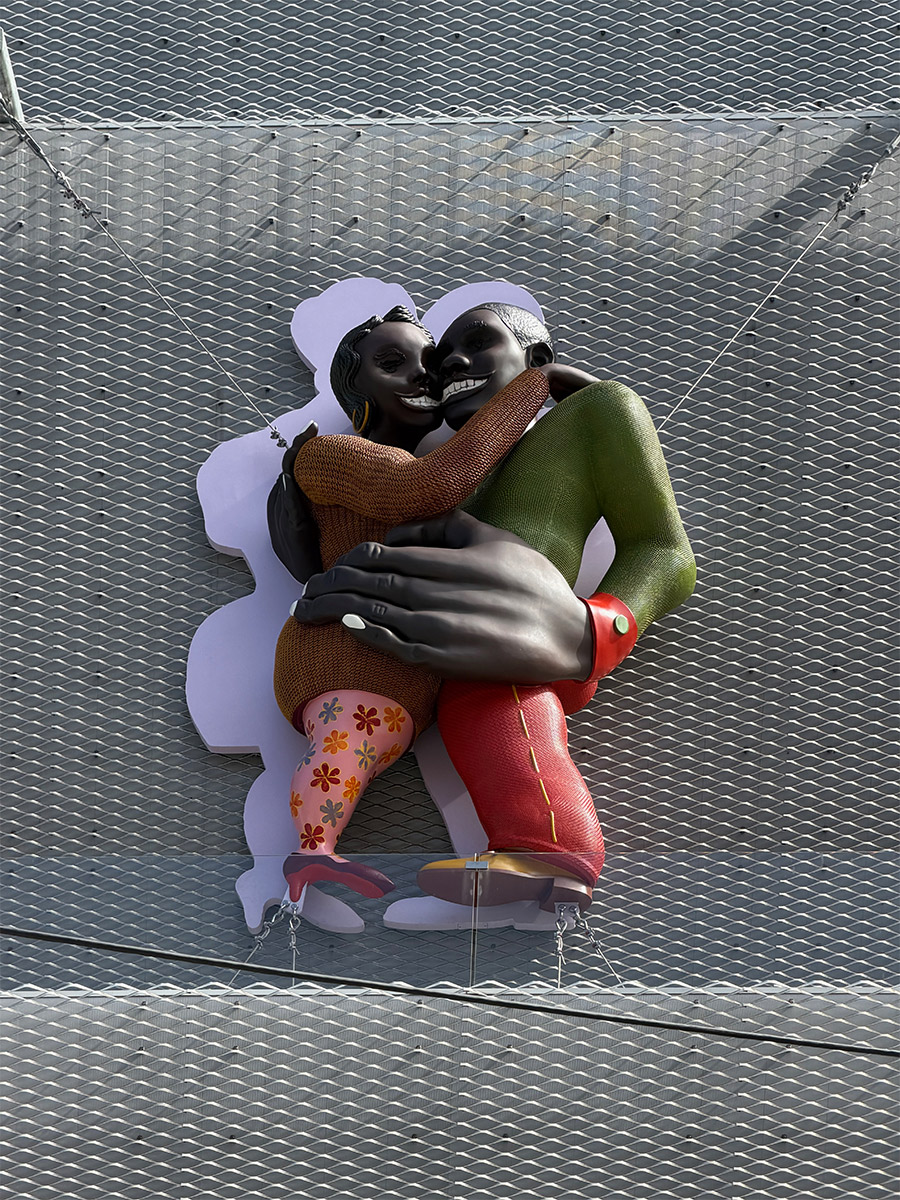
Further contemporary contributions include Tau Lewis’s The Handle of the Axe (2024) from Canada, which likely engages with themes of labor, power, and the handmade in a technologically driven world. Tschabalala Self’s Art Lovers (2025) from New York offers a fresh, vibrant perspective on human connection and the social dynamics within artistic spaces, perhaps commenting on the very act of viewing and interacting with art in the museum setting. Santiago Yahuarcani (Uitoto)’s Sequia en el rio Amazonas II (2024) from Peru brings a crucial ecological dimension to the exhibition, addressing the profound impact of climate change and environmental degradation on indigenous communities and the broader human-animal relationship. Frieda Toranzo Jaeger’s To Imagine Is To Absent Oneself (2025) from Mexico adds a philosophical layer, exploring the relationship between imagination, self-perception, and the act of withdrawal or presence in an increasingly connected yet fragmented world.
These contemporary works, alongside their historical counterparts, illustrate the ongoing, multifaceted debate about what it means to be human in a rapidly changing world, grappling with issues from environmental collapse to the ethics of technological advancement.
Beyond the "Post-Human": A Call to Present Action
One of the exhibition’s thematic subtitles, Postapocalyptic Creatures, starkly confronts a dire possibility: "In case we really do fuck things up beyond repair, what happens then? What sharpens, what falls away?" This provocative framing, softened only by a niece’s quiet query, "Would we still have TikTok?", highlights the spectrum of human concerns, from the profoundly existential to the surprisingly mundane, in the face of potential catastrophe.
However, the exhibition implicitly, and often explicitly, challenges the very language of "post-human." While the term suggests a state of having moved beyond ourselves, the diverse body of work presented overwhelmingly argues against this notion. The artists are not post-human; the audience is not post-human. The core concerns that animate the exhibition – war, control, care, survival, identity – are as ancient and familiar as ever. If anything feels outdated, it is the passive idea that humanity can simply step outside these fundamental conditions rather than actively engaging and working through them, right here, right now.
Director Lisa Phillips, whose leadership has consistently guided the New Museum towards challenging and relevant discourse, likely views New Humans as a powerful continuation of this mission. "The museum has always sought to provoke dialogue rather than provide definitive answers," Phillips might comment. "This exhibition, especially within our expanded spaces, offers an unprecedented platform for artists to grapple with the most pressing questions of our time: what defines us, what threatens us, and what future we are actively constructing." Curatorial statements accompanying the exhibition emphasize its role in fostering critical self-reflection. "We aim to create a space where visitors can confront these complex ideas head-on, recognizing that the future of humanity is not a foregone conclusion but a dynamic, contested terrain," a curator might state.
The New Museum excels at staging big questions without ever pretending to resolve them, and New Humans continues this vital tradition. It is a messy, frustrating, and sharply incisive experience. It asks what we are becoming, but its most potent moments pivot to a different, more urgent task: not to imagine a world beyond the human, but to figure out how to live with one another inside it – to repair existing damage, to recognize and empathize with each other’s experiences, and to consciously decide what, if anything, of our collective humanity we choose to carry forward.
The newly expanded building functions impeccably, a silent partner to the intellectual ferment within. The exhibition itself jars both the brain and the heart, prompting deep introspection. And in its strongest parts, New Humans: Memories of the Future does not merely point to some distant, abstract future; it points directly back at us, the viewers, demanding engagement with our shared present and active participation in shaping what comes next. As one attendee was overheard remarking at the opening, reflecting a common sentiment of historical disillusionment and future uncertainty, "The future isn’t what it used to be." To which another responded, with a wry cynicism, "Yes, we have a great future, behind us." This encapsulates the complex mix of hope, despair, and critical awareness that the exhibition so powerfully evokes.
The New Museum’s reopening with New Humans: Memories of the Future is more than just a cultural event; it is a significant statement on the role of art in an age of profound upheaval. By providing a meticulously designed space for challenging, multi-layered discussions, the museum reinforces its unique position in the global art landscape. It invites visitors to engage not just with art, but with the very essence of their own humanity, offering a vital opportunity for collective reflection and, perhaps, a renewed commitment to our shared future.
The New Museum. New Humans: Memories of the Future is now open to the general public. For a full list of artists, tickets, directions, schedule of events, and hours, click HERE.