 rifanmuazin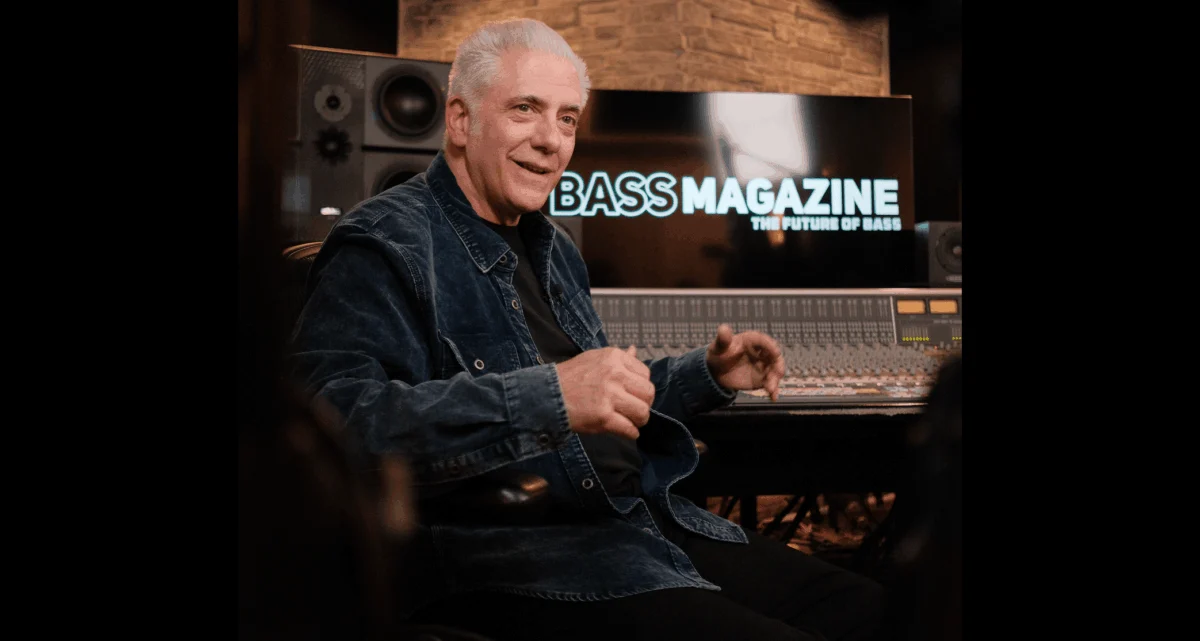
In a rare turn of events, Rick Beato, renowned for his incisive interviews with music titans and his comprehensive guitar tutorials, sat down with Bass Magazine for an in-depth exploration of his foundational experiences as a bassist. While his public persona often centers on guitar pedagogy and artist conversations, Beato’s significant history with the bass guitar is a narrative he seldom elaborates upon. This exclusive interview, conducted by Bass Magazine Editor Chris Jisi, delves into Beato’s early musical development, his philosophical approach to tone and musicianship, and culminates in the astonishing true story of his uncle’s 1952 Fender Precision Bass, an instrument that vanished for decades only to reappear in the esteemed collection of blues-rock virtuoso Joe Bonamassa. The extensive discussion, lasting approximately one hour, offers a unique perspective on the bass guitar’s history, its sonic nuances, and the compelling narratives that weave through its evolution.
The Unseen Foundation: Beato’s Bass Journey
Rick Beato’s prolific output in music education and artist interviews has established him as a prominent figure in the contemporary music landscape. However, his initial foray into music was firmly rooted in the rhythmic and harmonic backbone of the bass guitar. This interview marks a deliberate effort to illuminate this often-overlooked aspect of his musical identity. Beato shared insights into how his early engagement with the bass informed his broader understanding of music theory, arrangement, and the critical role of the rhythm section.
"My journey as a musician started with the bass," Beato revealed during the interview, emphasizing its foundational importance. "Before I ever seriously picked up a guitar, I was captivated by what the bass did – how it connected the drums to the harmony, how it created the groove. It’s the glue that holds everything together."
His early experiences likely involved absorbing the seminal bass lines of the era, drawing inspiration from pioneers who defined the instrument’s capabilities. While specific names weren’t detailed in the provided excerpt, it’s reasonable to infer Beato’s formative influences would have included artists like James Jamerson, Carol Kaye, Paul McCartney, John Entwistle, and Jaco Pastorius, whose innovations significantly shaped the perception and application of the bass guitar. The interview likely touched upon how these early encounters with the instrument shaped his analytical approach to music, a trait that now defines his popular YouTube channel.
A Bass Lost and Found: The 1952 Fender Precision and Joe Bonamassa
The narrative centerpiece of the interview is the remarkable tale of a 1952 Fender Precision Bass, originally owned by Beato’s uncle. This iconic instrument, a pivotal artifact in the history of electric bass guitars, disappeared under mysterious circumstances, only to resurface years later in the possession of Joe Bonamassa, a guitarist celebrated for his extensive collection of vintage instruments.
Timeline of the Bass’s Journey (Inferred):
- 1952: The Fender Precision Bass is manufactured and acquired by Rick Beato’s uncle. This period marks the very early days of the electric bass, with the Precision Bass revolutionizing music production and performance by providing a louder, more consistent alternative to upright basses.
- Pre-1970s (Estimated): The bass goes missing. The exact circumstances of its disappearance are a key point of interest in Beato’s story. Potential scenarios could include theft, being misplaced during a move, or being sold or traded under duress or without proper documentation.
- Decades of Absence: The instrument remains unaccounted for, presumed lost to the annals of musical history. During this period, the value and desirability of early Fender instruments would have steadily increased among collectors and musicians.
- Early 2000s – Present: The bass resurfaces and is acquired by Joe Bonamassa. Bonamassa is known for his meticulous sourcing of vintage gear, and this particular instrument would have been a significant find, especially given its provenance.
- 2026 (February): The story is publicly revealed through the Bass Magazine interview with Rick Beato. This brings the bass’s journey full circle, connecting its past with its present owner and Beato’s personal history.
The significance of a 1952 Fender Precision Bass cannot be overstated. Introduced in 1951, it was the first mass-produced electric bass guitar, a design that fundamentally altered the landscape of popular music. Its solid body construction, magnetic pickups, and fretted neck provided unprecedented clarity, volume, and playability compared to its predecessors. Owning a 1952 model, particularly one with a documented history, places it among the most coveted and historically important instruments in existence. Such basses can command astronomical prices in the collector’s market, often reaching hundreds of thousands of dollars, depending on their condition, originality, and provenance.

Joe Bonamassa, a prominent collector and performer, is well-acquainted with the value and rarity of vintage instruments. His acquisition of this particular Precision Bass suggests it met his stringent criteria for historical significance and playable condition. The fact that it belonged to the uncle of a respected music educator like Rick Beato adds a layer of personal narrative that elevates the instrument beyond its monetary value.
Beato recounted the emotional impact of discovering his uncle’s long-lost bass in Bonamassa’s collection. "It was surreal," he described, "seeing this instrument that was a part of my family’s history, and knowing it had been in the hands of one of the greatest guitarists of our generation. It’s a testament to how interconnected the music world is, and how these instruments carry stories."
Bass Tone, Musicianship, and the Art of the Interview
Beyond the captivating story of the lost bass, the interview delved into broader topics pertinent to bassists and musicians at large. Rick Beato’s expertise extends to sonic character, and his discussions on bass tone likely touched upon the fundamental elements that contribute to a bassist’s signature sound. This would include:
- Instrument Choice: The impact of different bass models (e.g., Fender Precision, Jazz Bass, Music Man StingRay) on tonal output.
- Amplification: The role of amplifiers and speaker cabinets in shaping the bass signal.
- Effects Pedals: How bass-specific or general-purpose effects can modify tone.
- Technique: The influence of plucking or picking hand position, attack, and muting on the sound produced.
- EQ Settings: The fundamental principles of equalization for bass frequencies.
Beato’s analytical approach is likely to have dissected how these elements combine to create a cohesive and impactful bass sound, emphasizing not just individual components but their synergistic relationship within a musical context.
Furthermore, the conversation likely explored the essence of great bass playing, moving beyond technical proficiency to encompass musicality. This would involve discussions on:
- Rhythmic Precision: The drummer-bass player synergy and the importance of locking into the groove.
- Harmonic Contribution: How the bass line supports and enhances the chord progression.
- Melodic Awareness: The role of the bass in melodic development and counterpoint.
- Dynamic Control: The use of volume and articulation to serve the music’s emotional arc.
- Arrangement and Space: Knowing when to play and, crucially, when to rest, allowing other instruments to breathe.
Beato’s reputation as an interviewer is built on his ability to elicit profound insights from his subjects. In this conversation with Bass Magazine, the roles were reversed, allowing him to reflect on his own experiences and perspectives. The interview format itself, a staple of Beato’s content, was a point of discussion, exploring the art of asking the right questions and fostering genuine dialogue. His approach is characterized by deep research, a genuine curiosity, and an ability to connect with artists on a technical and emotional level, facilitating conversations that often reveal new facets of their careers and creative processes.
Broader Impact and Implications
The revelation of the 1952 Fender Precision Bass’s journey and its current ownership by Joe Bonamassa has several implications for the music community:
- Vindication of Collector’s Market: The story underscores the enduring value and historical significance of vintage instruments. It highlights how instruments, even after disappearing for decades, can be rediscovered and appreciated by those who understand their legacy.
- Interconnectedness of Musicians: The narrative emphasizes the often-unseen threads that connect musicians across generations and genres. Beato’s family history intertwines with the career of a contemporary guitar hero through a single, iconic instrument.
- The Power of Storytelling in Music: Instruments are not merely tools; they are vessels of history and narrative. The tale of this bass adds a compelling chapter to the rich lore surrounding iconic musical equipment.
- Appreciation for the Bass Guitar: By focusing on the bass and its history, the interview elevates the instrument’s profile, encouraging a deeper appreciation for its fundamental role in music creation. Beato’s willingness to discuss his bass roots provides a valuable example for aspiring musicians, demonstrating that a strong foundation on any instrument can lead to a multifaceted musical career.
The interview, captured on video and produced by Ben Hyman, with cinematography by Chuy Gutierrez and Nicole Rochelle, and editing by Henry Heinitsh, serves as a comprehensive document of this significant conversation. The visual medium allows viewers to engage with Beato’s expressive storytelling and witness the passion he holds for both his personal musical history and the broader world of music. The availability of the full interview on platforms like YouTube ensures that this exploration of bass legacy, sonic artistry, and remarkable artifact recovery can reach a global audience, inspiring and educating musicians for years to come.