 rifanmuazin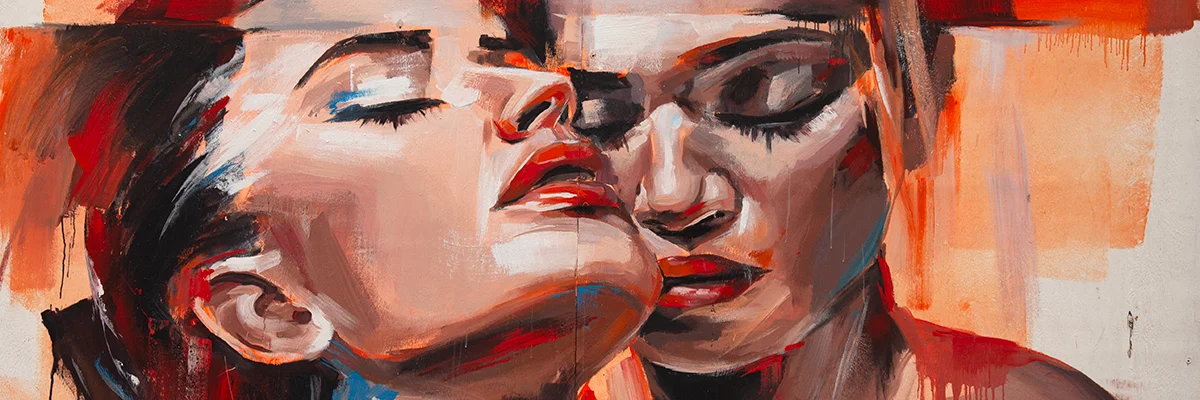
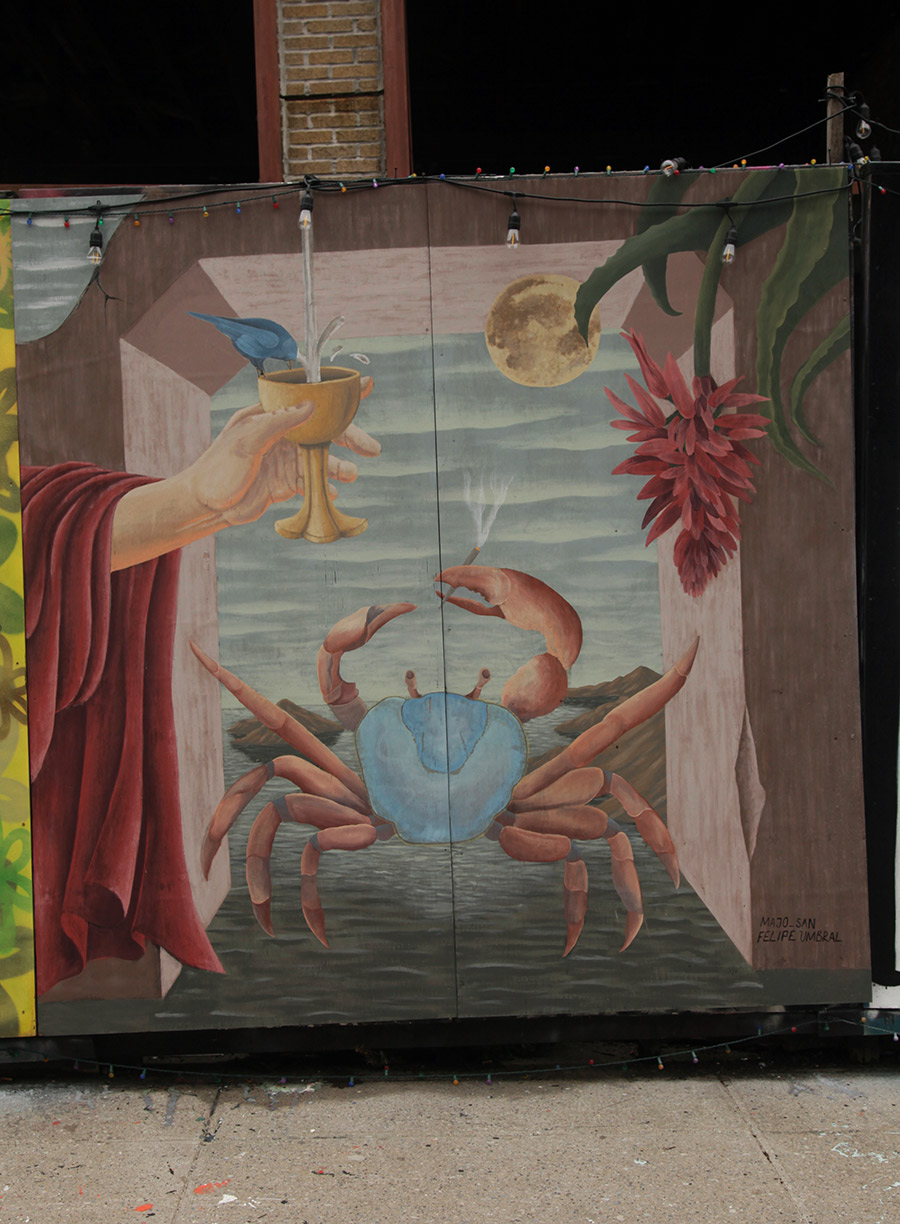
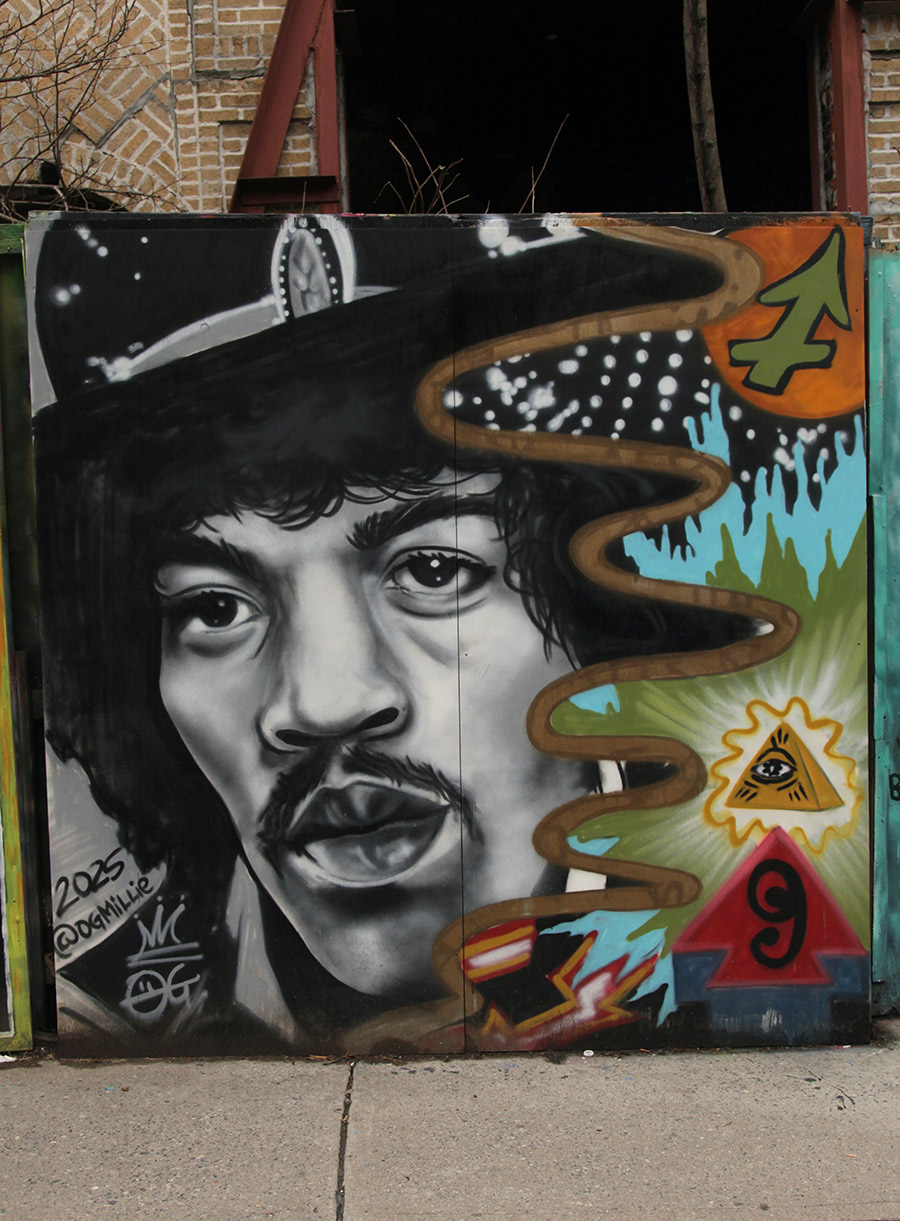
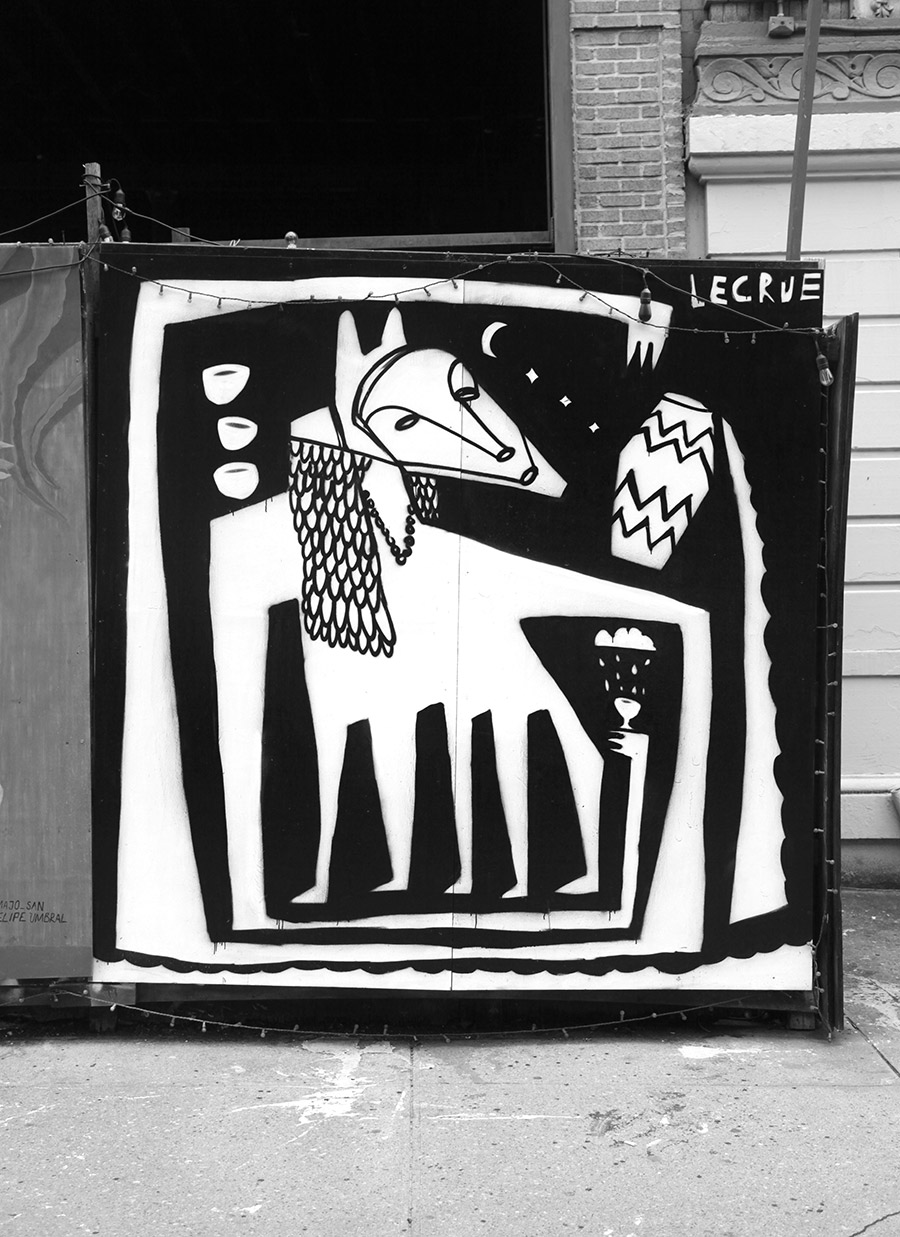
The latest installment of Brooklyn Street Art (BSA) Images of the Week, published on April 5, 2026, prominently features a vibrant refresh of the community-driven Underhill Walls project in Prospect Heights, Brooklyn. This recurring open-air mural space continues its tradition of transforming urban landscapes, showcasing a dynamic collection of panels by both established and emerging muralists. The new works, captured through the lens of acclaimed photographer Jaime Rojo, illuminate the ongoing commitment to public art and community revitalization in the borough, offering a fresh visual narrative for residents and visitors as spring settles across New York City.
The Underhill Walls Initiative: A Decade of Community Art
The Underhill Walls project, now in its eleventh year, represents a significant grassroots effort to reclaim and beautify neglected urban spaces through art. Founded in 2015 by artist and curator Jeff Beler, the initiative was born out of a vision to transform the mundane and often unsightly construction fencing surrounding a long-abandoned, fire-damaged building into an accessible public art gallery. This innovative approach addressed a common urban blight, turning a visual deterrent into a focal point of neighborhood pride and artistic expression. Beler, who secured crucial permissions to initiate the project, envisioned the site not just as a temporary canvas, but as a dynamic cultural hub, aiming to combat urban decay with vibrant expressions of creativity.
Early in its development, Beler collaborated with curator Frankie Velez, whose expertise was instrumental in shaping the project’s foundational structure. Together, they established a model for a recurring, theme-based installation, ensuring that the walls would be refreshed approximately twice a year. This consistent turnover keeps the artwork current and engaging, fostering a sense of anticipation within the community. The selection process for artists emphasizes a mix of established figures in the street art scene and promising emerging talents, ensuring a diverse range of styles and perspectives. Crucially, the curators prioritize "collaboration, accessibility, and artist chemistry" in their roster selection, striving for a cohesive yet varied exhibition that resonates with the neighborhood’s spirit. Over the past decade, Underhill Walls has grown from a localized effort into a visible neighborhood fixture, recognized as a broader hub for mural production and a testament to the power of community-led urban renewal.
The Spring 2026 Collection: A Spectrum of Artistic Voices
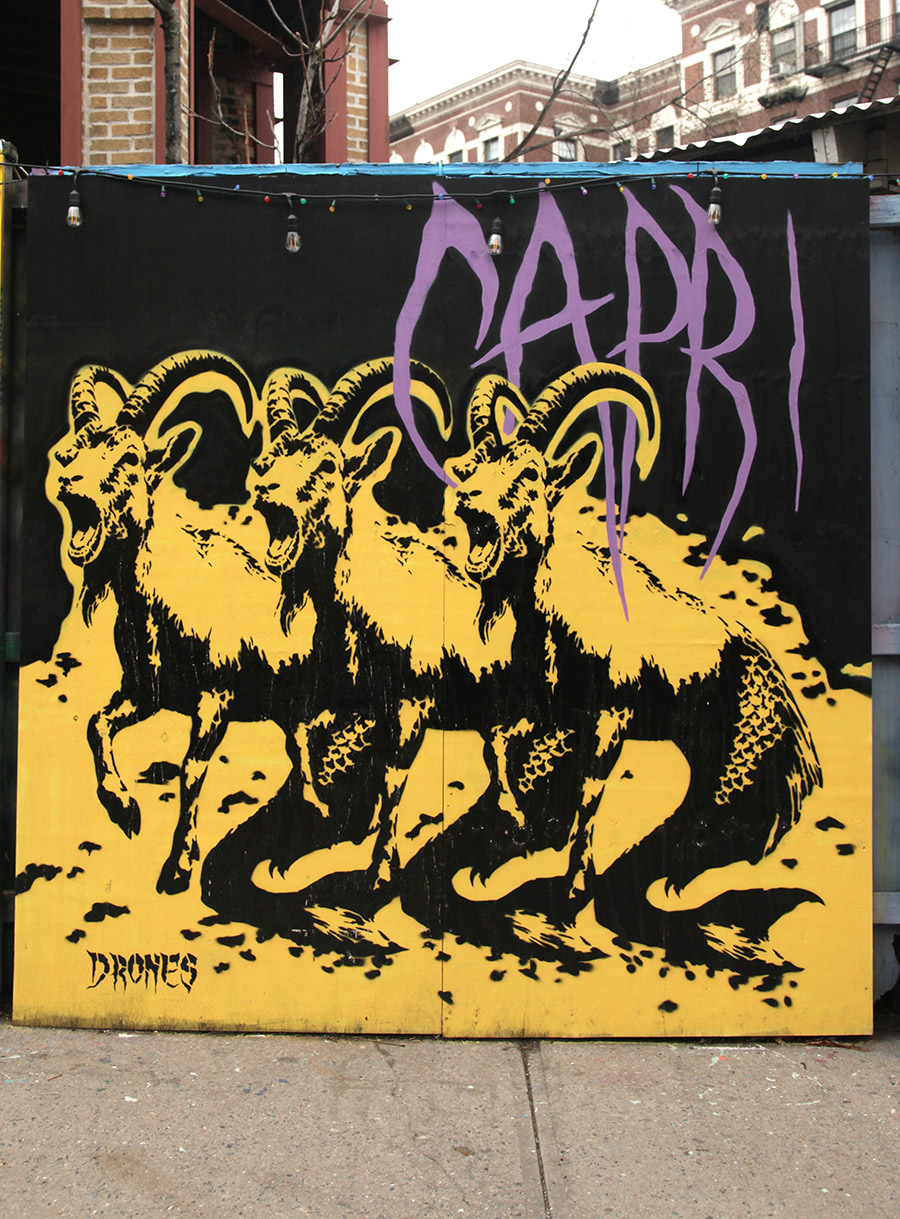
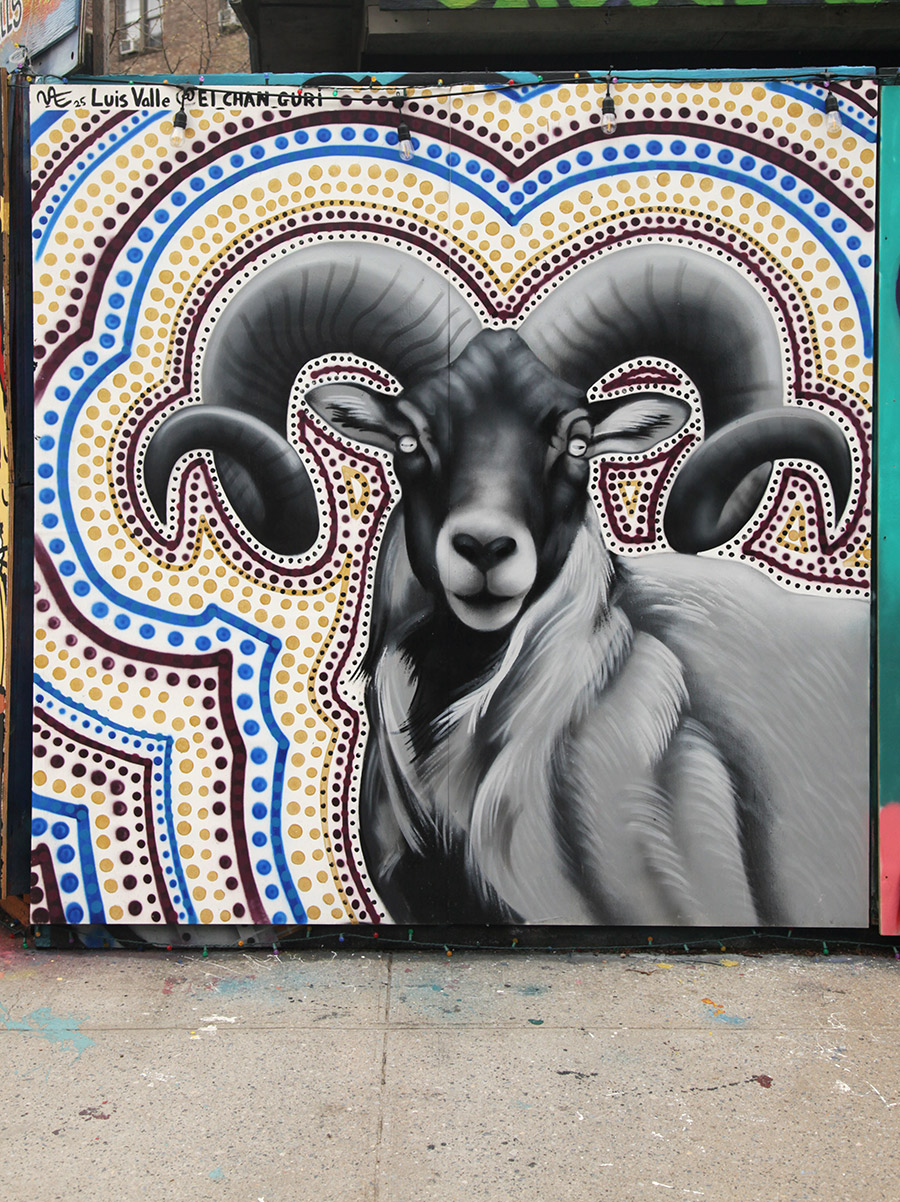
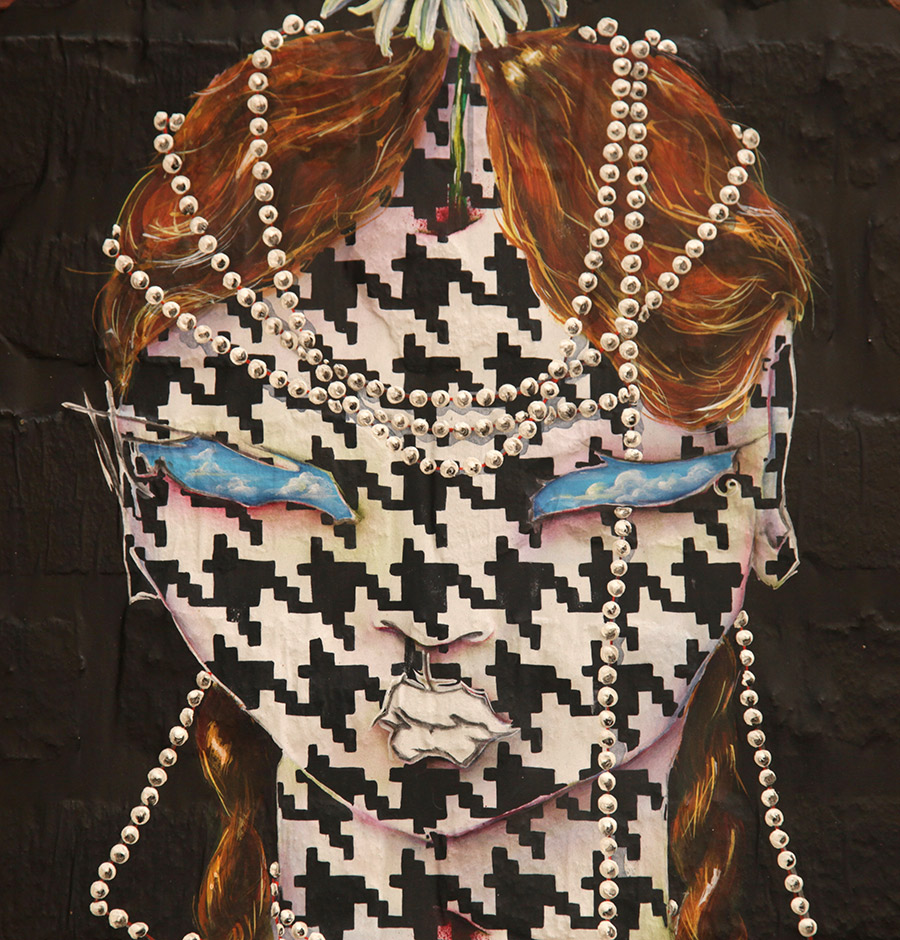
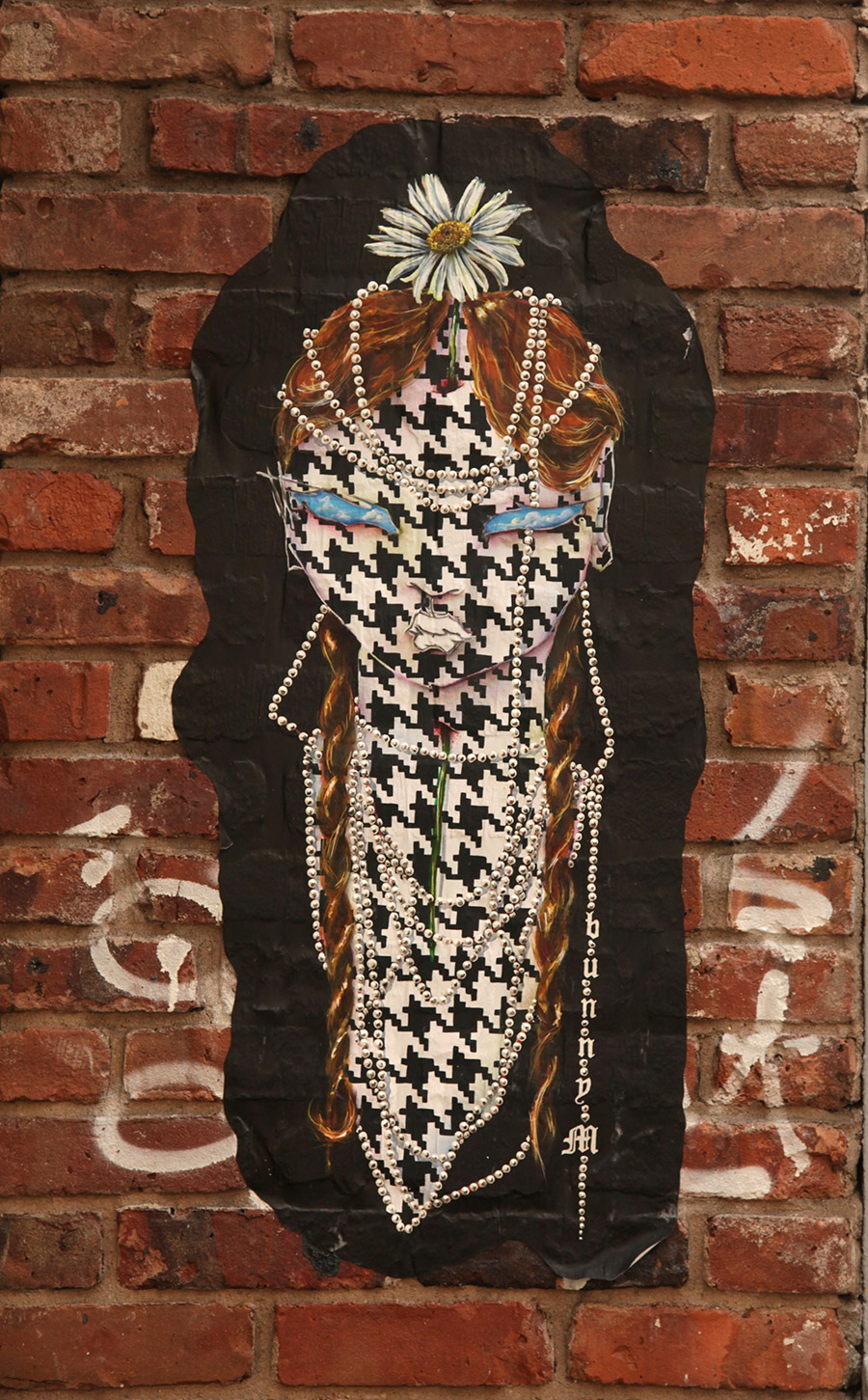
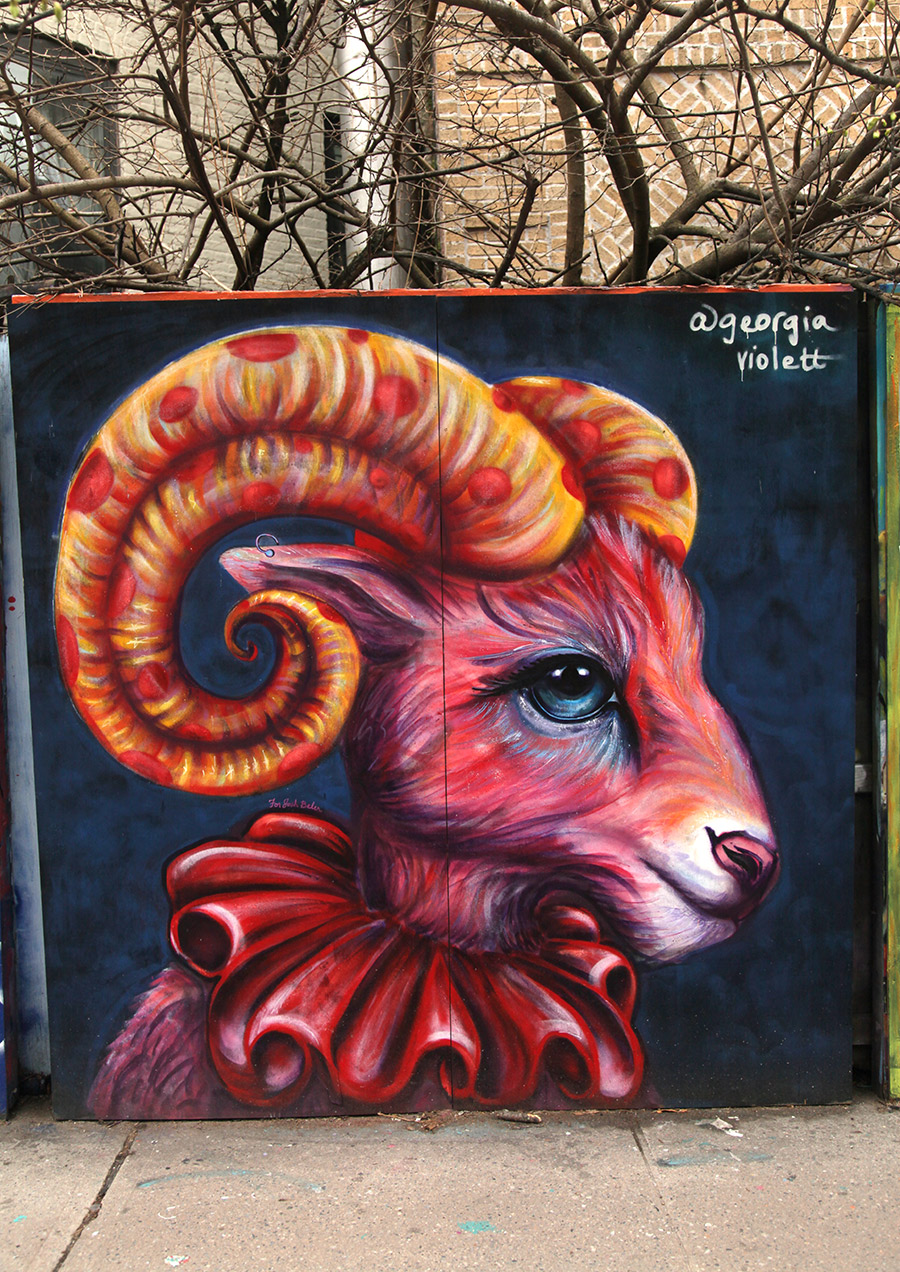
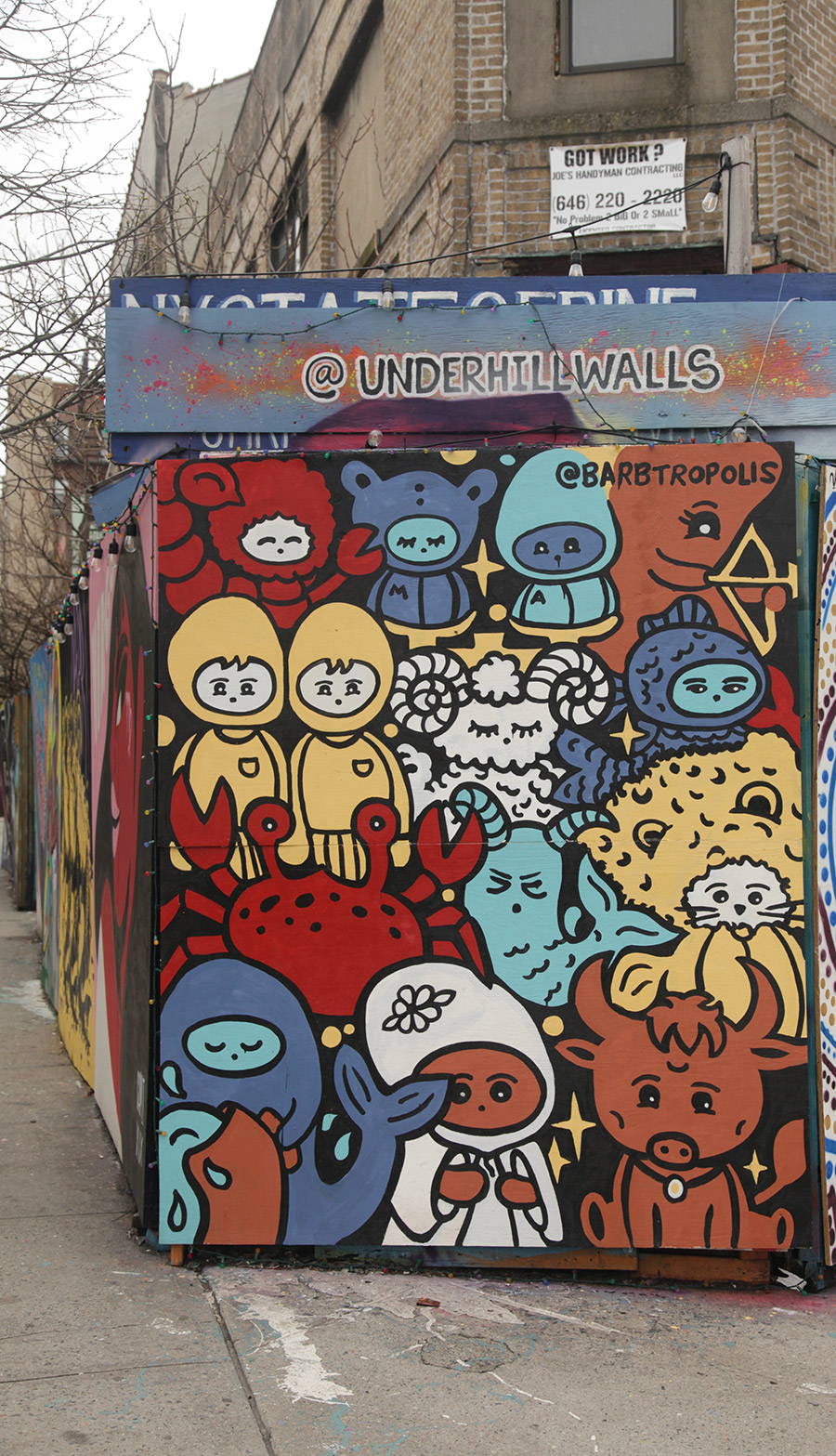
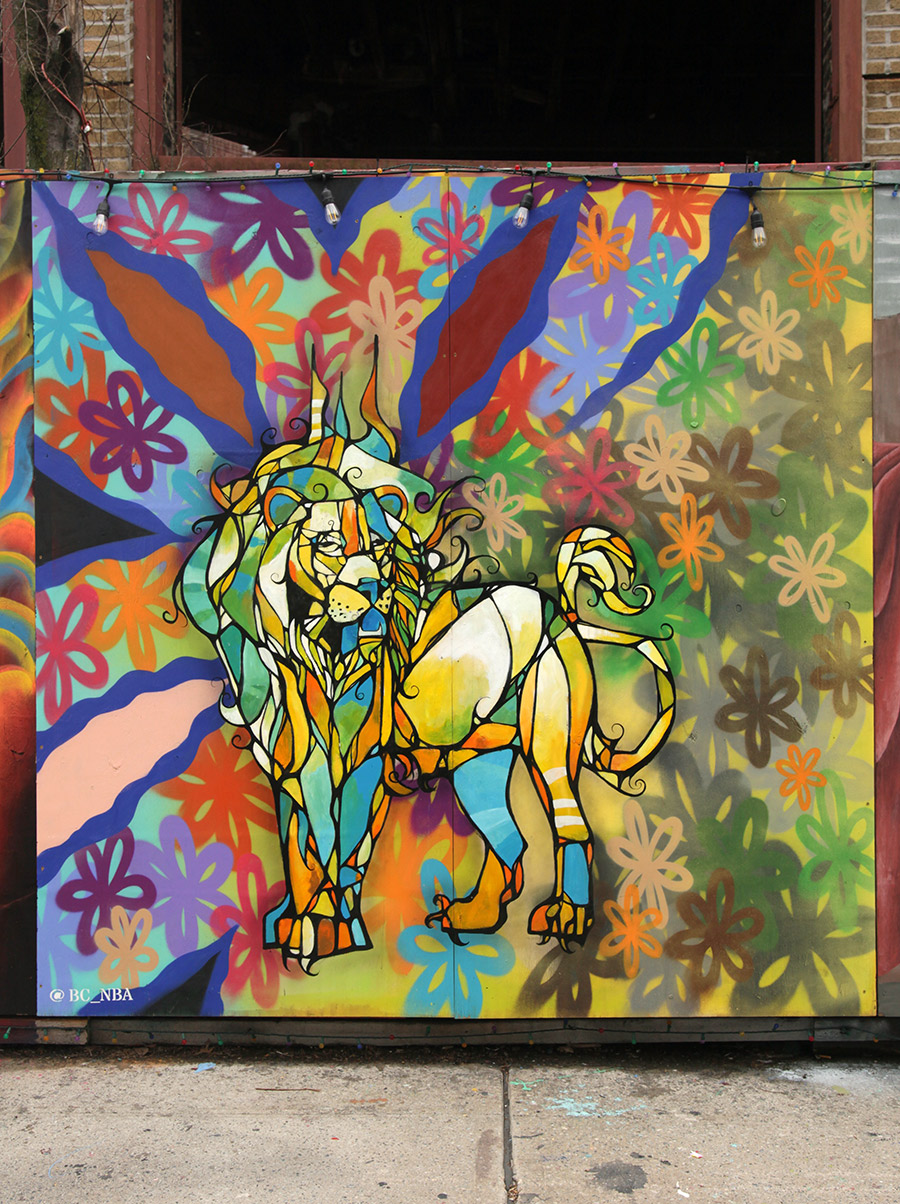
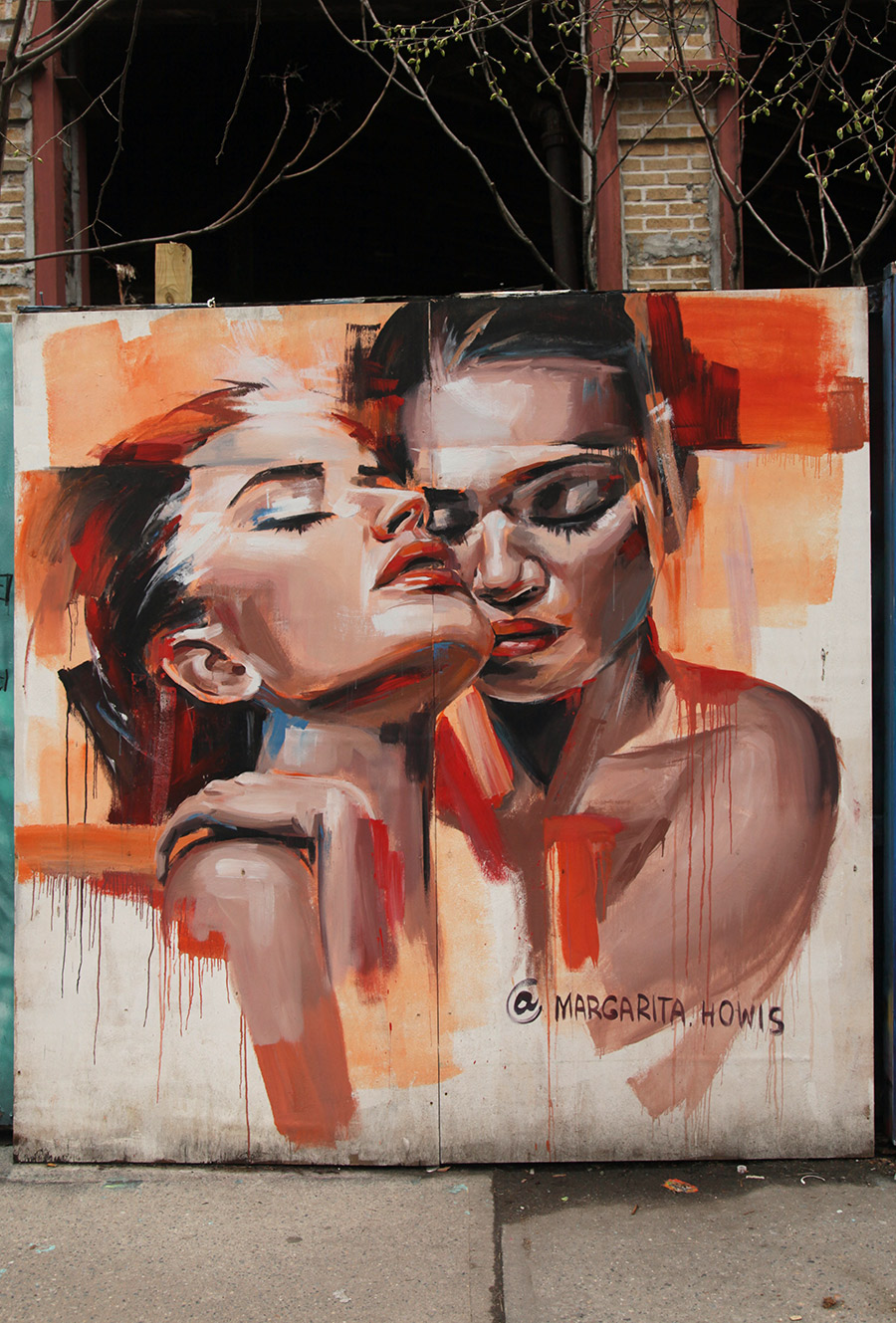
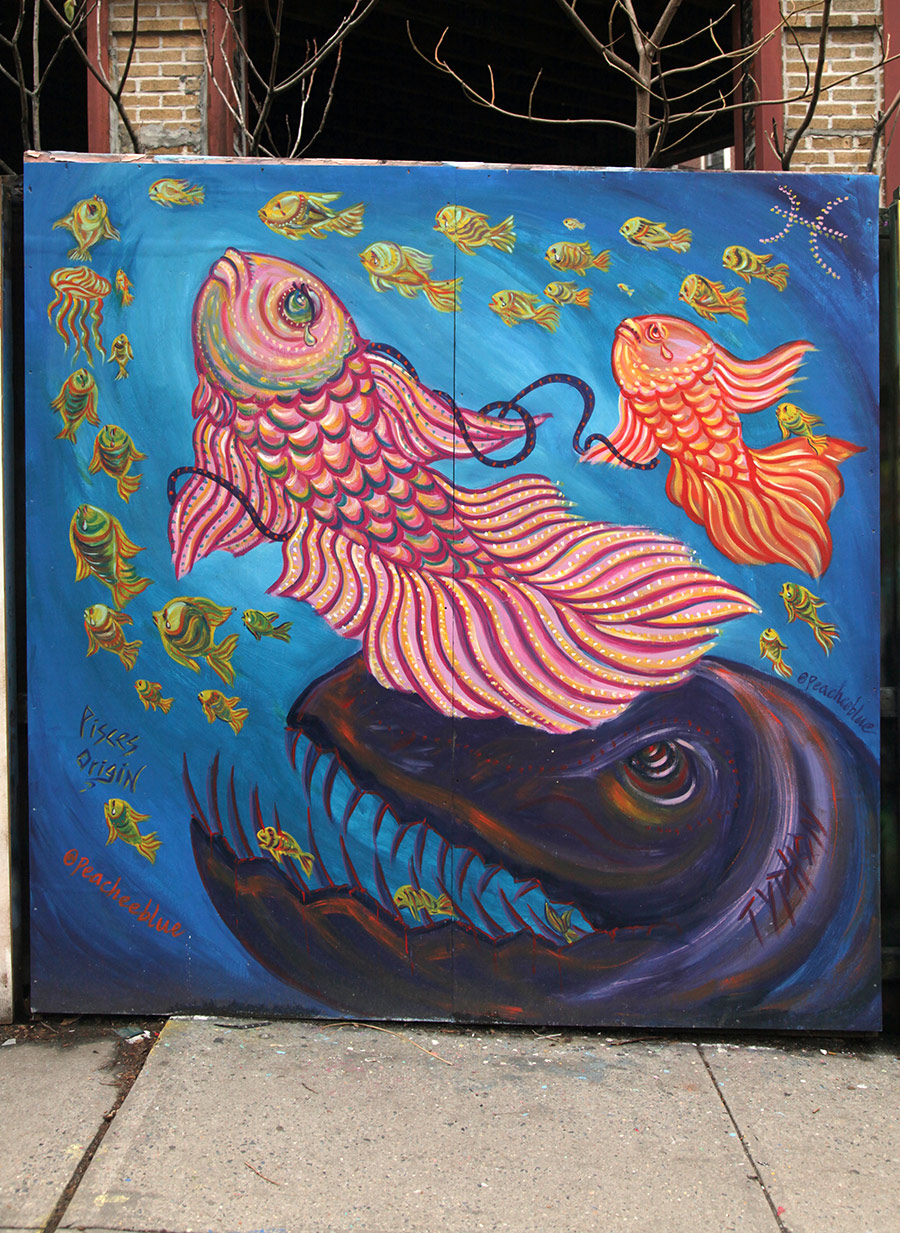
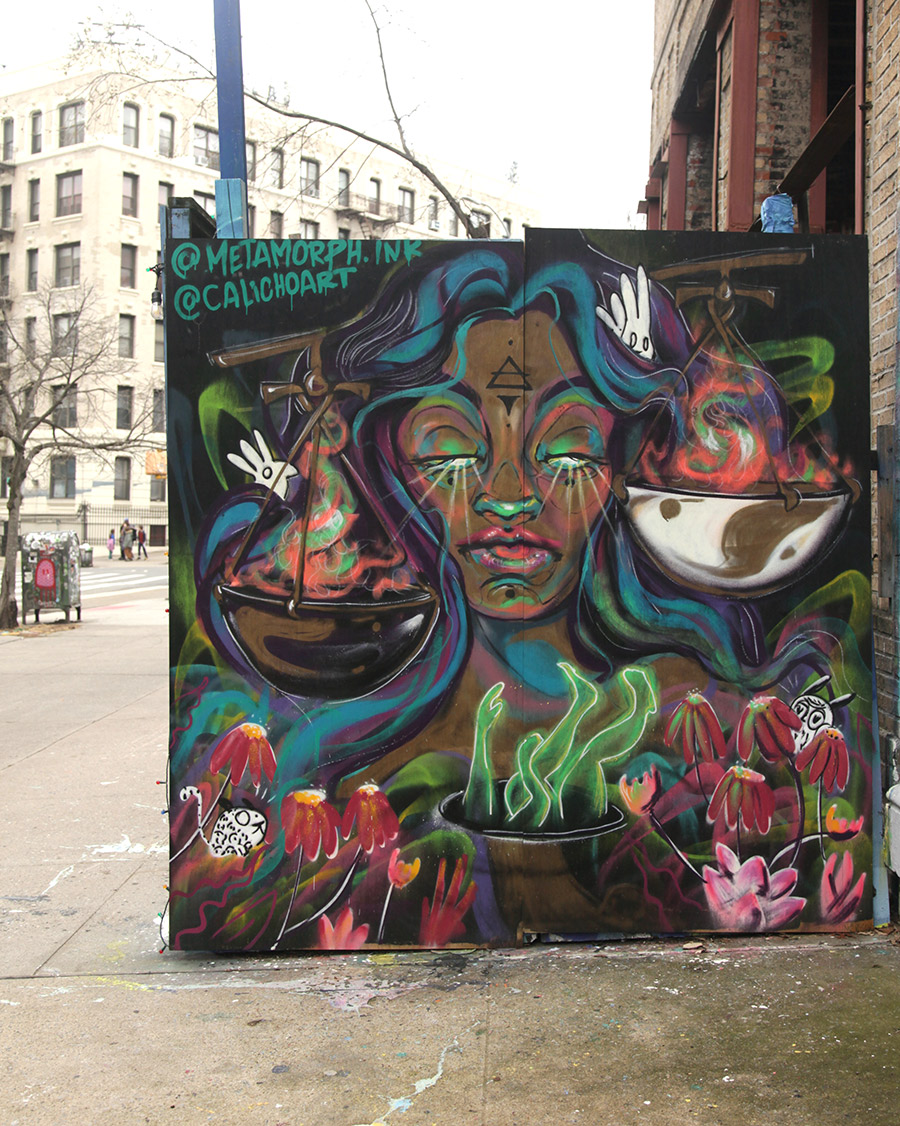
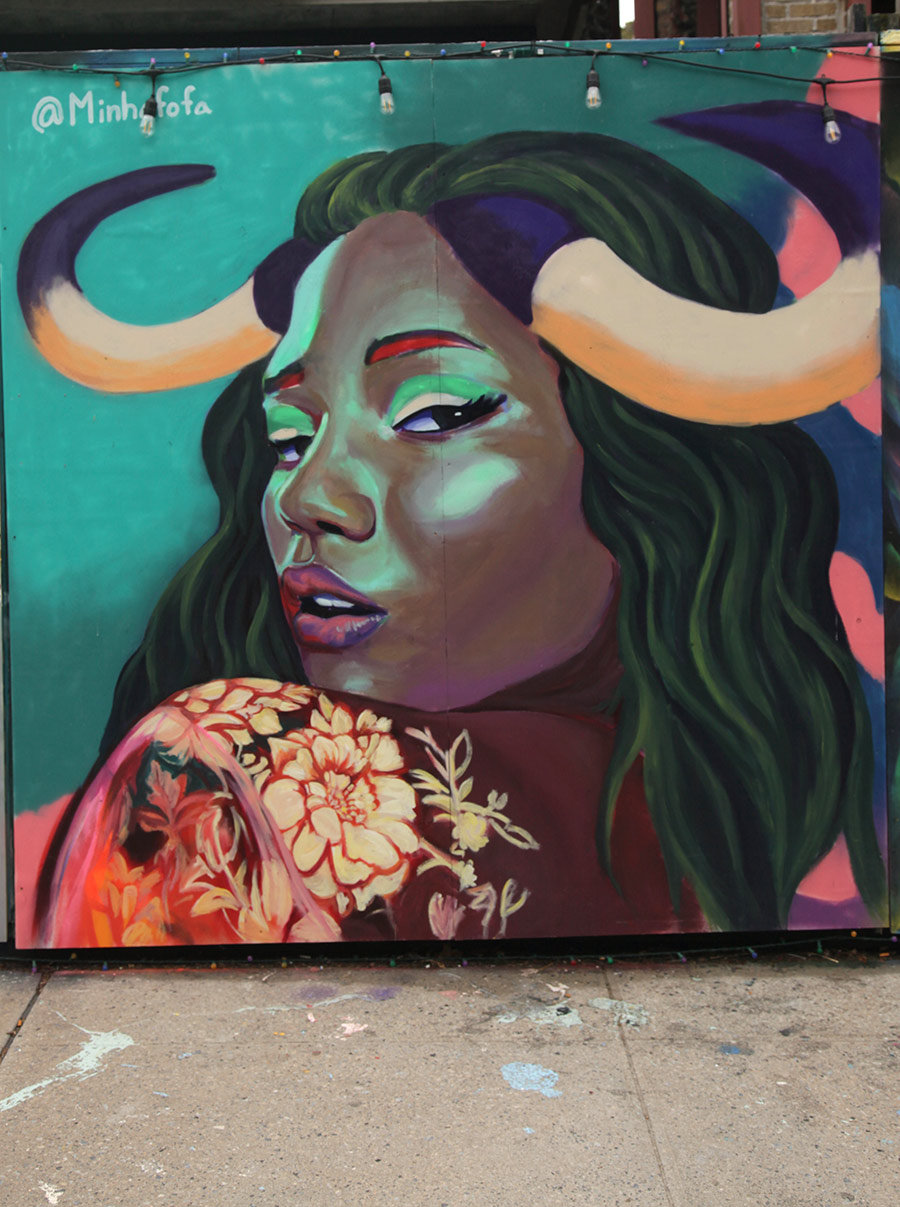
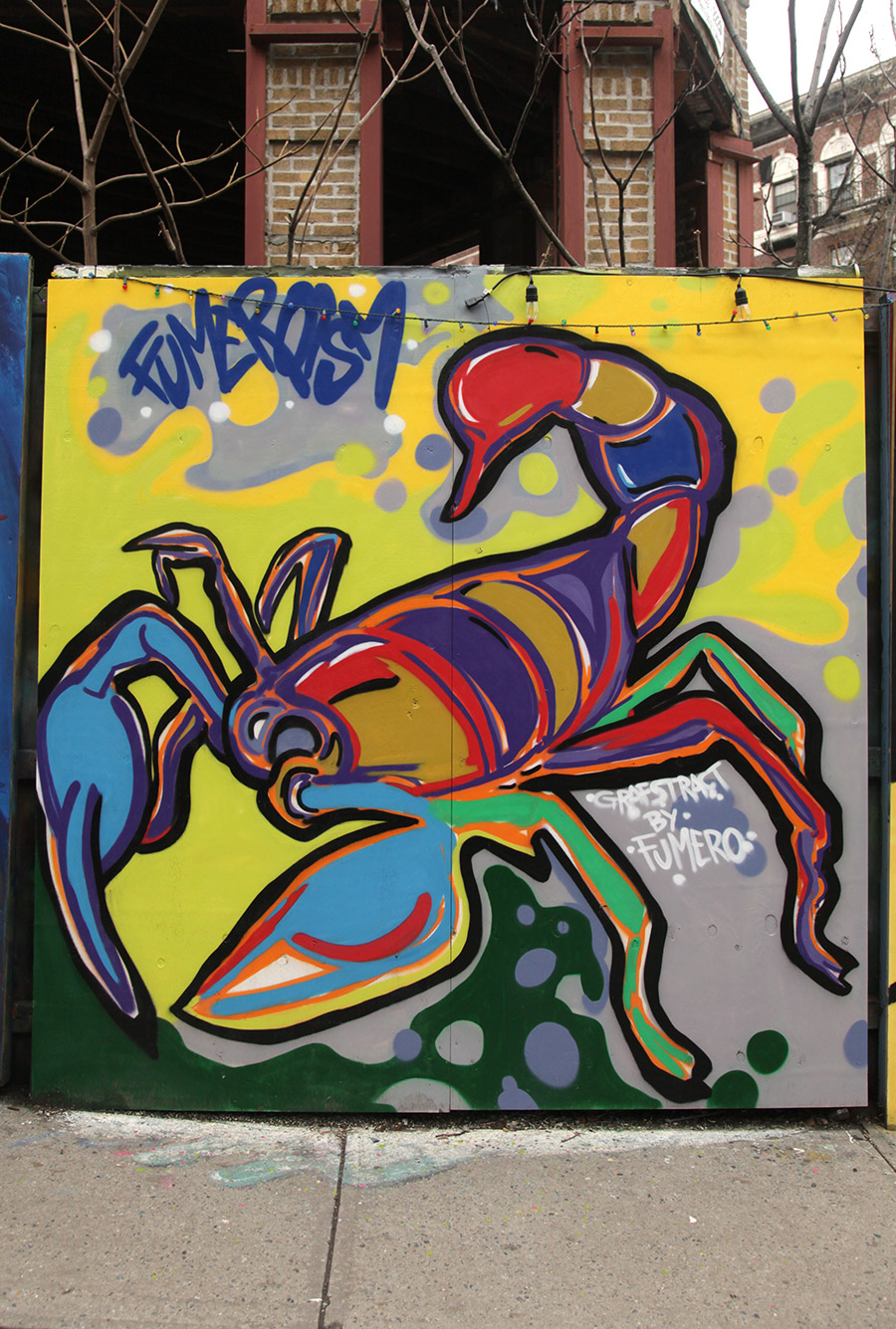
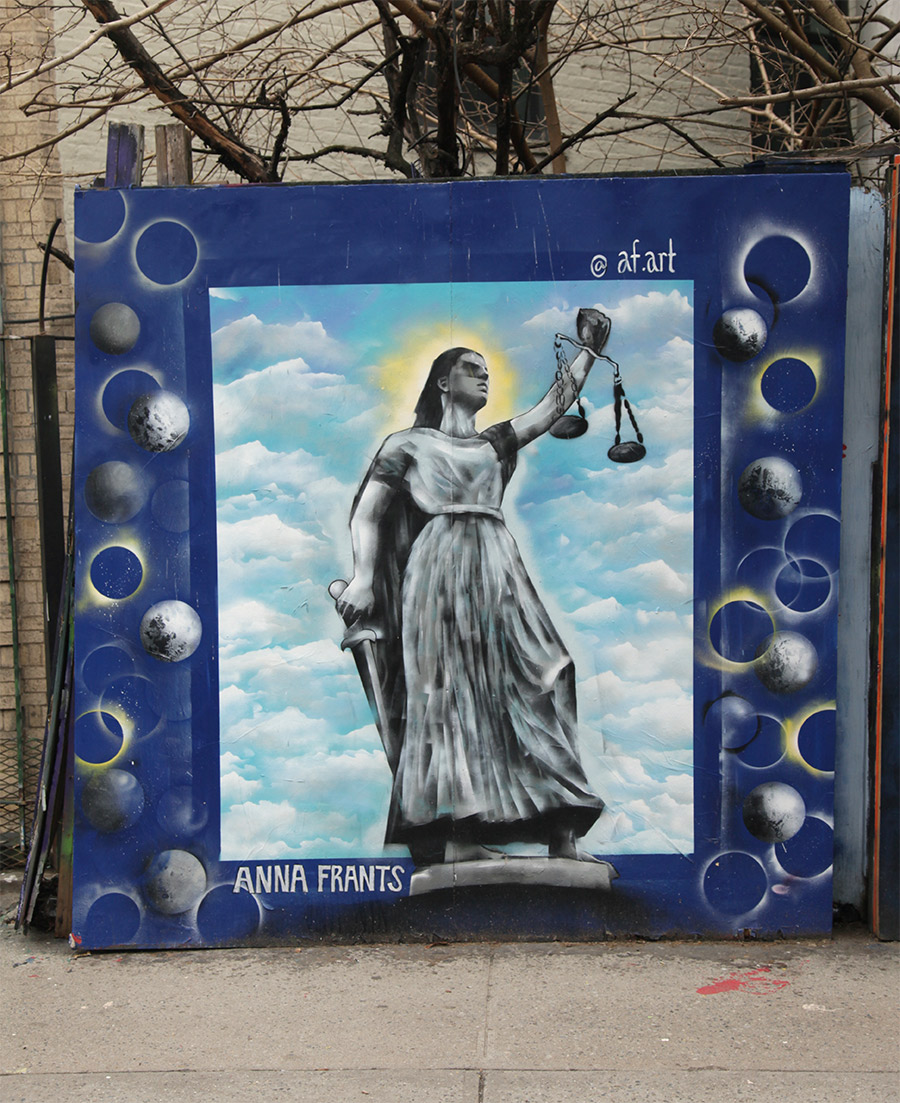
The Spring 2026 iteration of Underhill Walls brings together a compelling lineup of artists, each contributing their unique aesthetic to the collective narrative. This week’s BSA feature highlights works by Anna Faris, Barbtropolis, BC NBA, Bunny M, Calicho Art, CAMI XVX, DG Millie, Drones, Fumero, Georgia Violett, Kams S Art, LeCrue Eyebrows, Luis Valle, Majo, Margarita Howls, Metamorph, Minhafofa, and Peachee Blue.
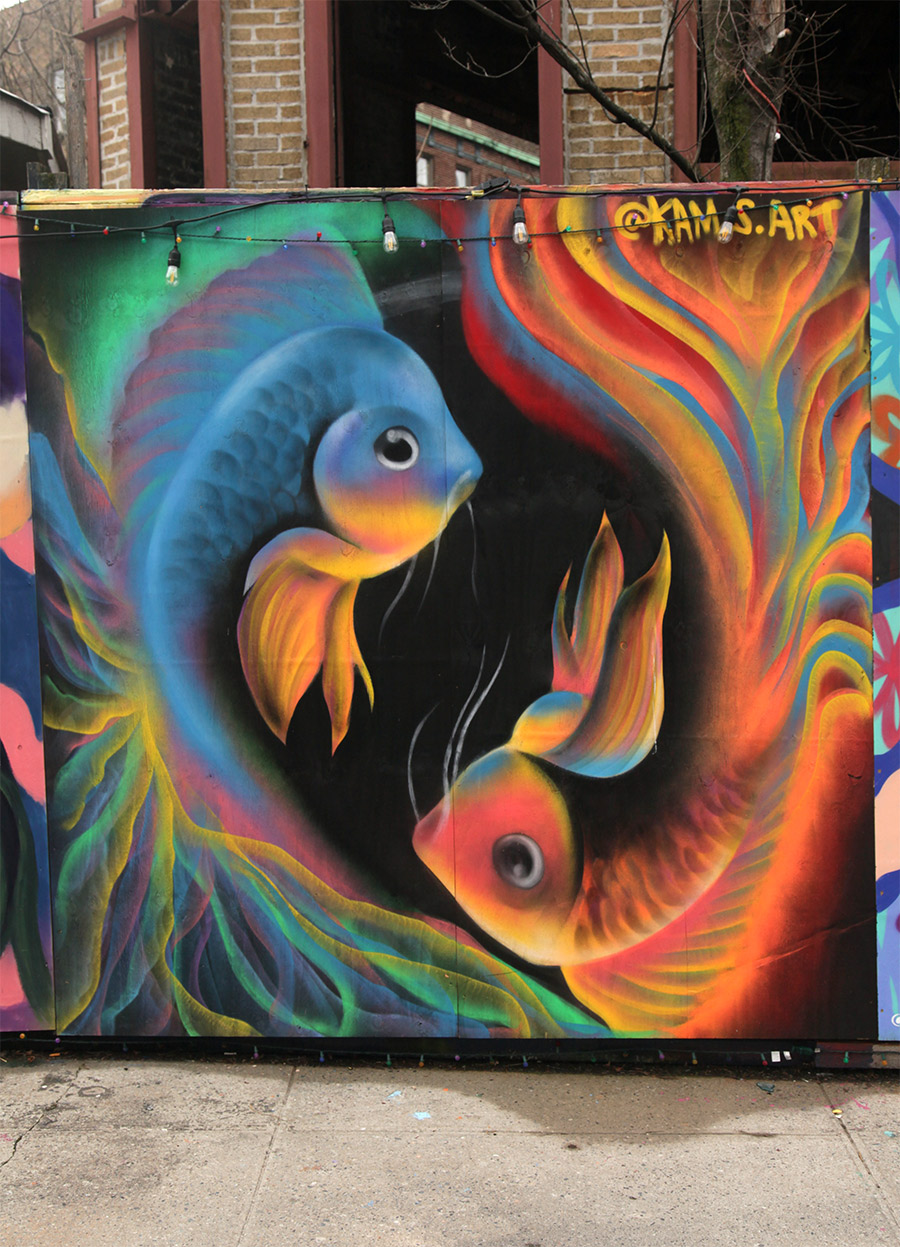
The breadth of talent on display underscores the project’s commitment to artistic diversity. Luis Valle, for example, is known for his intricate, often spiritually-charged imagery, while Bunny M’s distinctive characters inject a playful, narrative quality into the urban fabric. Fumero’s signature “Fumeroism” style, characterized by bold lines and energetic compositions, adds another layer of visual dynamism. Artists like Margarita Howis and Peachee Blue contribute their own unique interpretations, ranging from abstract forms to figurative narratives, ensuring that each panel offers a fresh perspective. The site-specific nature of these murals means that artists often consider the existing architecture, the surrounding environment, and the community’s context, resulting in works that feel deeply integrated into the Prospect Heights landscape. These panels not only serve as individual artistic statements but also collectively form a vibrant tapestry that reflects the contemporary pulse of Brooklyn street art.
Transforming Urban Spaces: The Societal Impact of Public Art
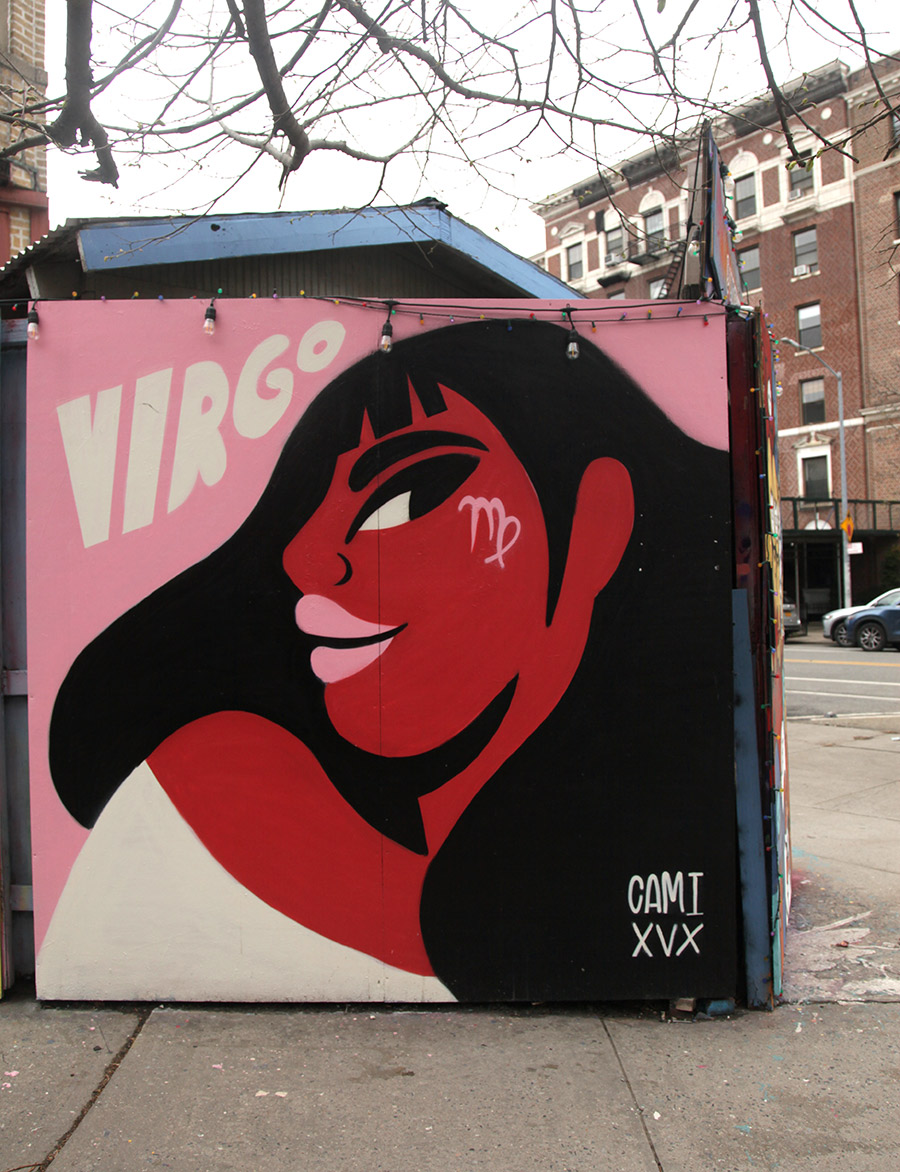
The enduring success of Underhill Walls exemplifies the profound societal impact that thoughtfully curated public art initiatives can have on urban environments. In neighborhoods like Prospect Heights, where historical structures meet modern developments, projects like Underhill Walls play a crucial role in combating urban blight, fostering a sense of community pride, and enhancing the overall quality of life. An abandoned building, once a symbol of neglect, becomes a dynamic canvas that injects color, creativity, and conversation into the public sphere.
Studies on urban revitalization consistently demonstrate that public art can significantly contribute to economic and social well-being. Increased foot traffic generated by public art installations often translates into greater patronage for local businesses, stimulating economic activity within the neighborhood. Moreover, vibrant public spaces tend to deter vandalism and crime, creating safer and more welcoming environments. For residents, the presence of accessible art fosters a deeper connection to their community and instills a sense of shared ownership and cultural enrichment. Children, in particular, benefit from exposure to art in their daily lives, sparking creativity and cultural awareness from an early age. Underhill Walls serves as a living example of placemaking, transforming a mere location into a meaningful place that embodies the community’s identity and aspirations. Its consistent refreshment ensures that the public space remains dynamic, reflecting changing artistic trends and maintaining community engagement.
The Curatorial Vision: Nurturing Talent and Community
Jeff Beler’s sustained curatorial vision has been central to Underhill Walls’ decade-long journey. His emphasis on "artist chemistry" is not merely an aesthetic preference but a strategic approach to fostering a collaborative environment where artists can engage with each other’s work and the collective theme. This often results in a harmonious flow between adjacent panels, creating a larger, cohesive narrative even with diverse individual styles. Beler’s commitment to balancing established and emerging artists also serves a dual purpose: it provides a platform for nascent talents to gain exposure alongside recognized names, while ensuring that the project benefits from a wealth of experience and fresh perspectives.
Managing a dynamic public art space like Underhill Walls involves considerable logistical planning, from securing permits and sourcing materials to coordinating artist schedules and ensuring the longevity of the installations. The semi-annual refresh cycle requires continuous outreach and organization. The project’s success is a testament to the dedication of Beler and his collaborators, as well as the ongoing support from the Prospect Heights community. This model of proactive engagement, where art serves as a catalyst for urban improvement, stands as a blueprint for other cities seeking to leverage cultural initiatives for neighborhood regeneration.
Beyond the Canvases: Broader Themes and Cultural Reflections
Beyond the immediate visual impact of the murals, Underhill Walls contributes to a broader cultural dialogue within Brooklyn’s renowned street art scene. The borough has long been a global epicenter for street art, a democratic art form that reflects contemporary social, political, and cultural narratives. The artists featured at Underhill Walls, through their diverse expressions, contribute to this ongoing conversation, offering insights into personal experiences, collective identities, and the challenges and triumphs of urban life.
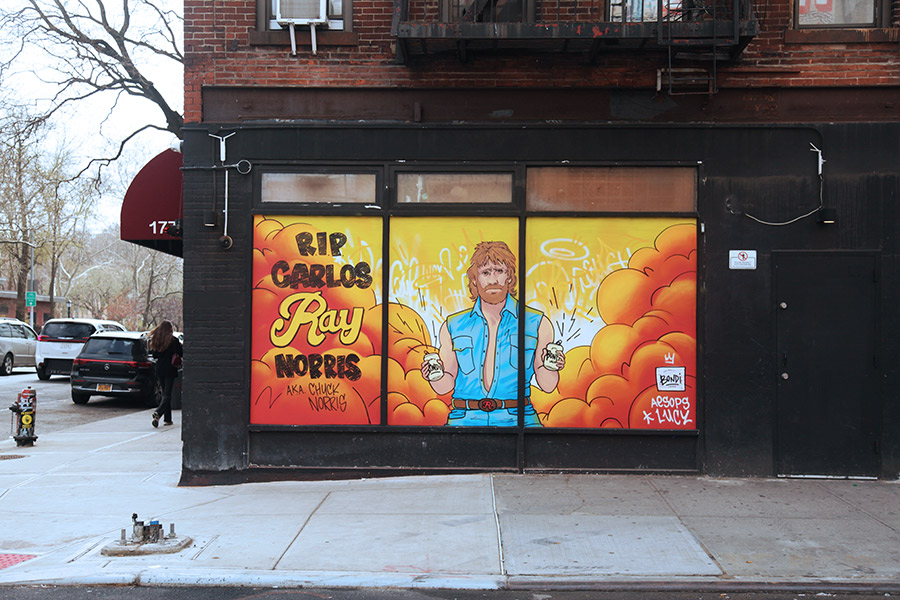
The BSA feature also makes a noteworthy reference to a recent article titled "Memento Mori on the Block: RIP Walls in New York," which explores the cultural significance of memorial murals. This specific mention, coupled with a photograph of a BONDI mural that includes a symbolic "R.I.P. Carlos Ray Norris AKA Chuck Norris," highlights the diverse forms and intentions behind street art tributes. While Chuck Norris is famously still alive, this kind of symbolic or ironic "R.I.P." in street art can serve various purposes: it might be a playful commentary on cultural iconography, a tribute to an era or a persona, or an inside joke within the art community. Such nuanced expressions underscore street art’s capacity for wit, social commentary, and unconventional forms of commemoration, extending beyond literal tributes to the deceased. These "RIP walls" often become focal points for community mourning, celebration, or collective memory, transforming public spaces into sites of emotional resonance and historical record.
Brooklyn Street Art: Documenting the Pulse of the City
Brooklyn Street Art (BSA) plays an indispensable role in chronicling and promoting the vibrant, ever-evolving world of street art. Through its "Images of the Week" series, BSA consistently captures the ephemeral beauty and dynamic changes occurring on city walls. This consistent documentation provides a vital archive for art enthusiasts, researchers, and the general public, showcasing new works, highlighting emerging trends, and celebrating the contributions of individual artists.
Jaime Rojo’s photographic contributions are central to BSA’s mission. His keen eye and dedication to capturing street art in its natural urban context ensure that the artwork is presented authentically, reflecting its interaction with the environment and its impact on the community. Rojo’s images do more than just record; they interpret, elevating the murals from mere graffiti to significant cultural artifacts. By regularly featuring projects like Underhill Walls, BSA reinforces the importance of community-led initiatives and provides a platform for these localized efforts to gain broader recognition, further cementing Brooklyn’s status as a global leader in urban contemporary art.
Looking Ahead: The Enduring Legacy of Underhill Walls
As Underhill Walls enters its second decade, its legacy as a model for community-driven urban renewal through art continues to strengthen. The project demonstrates that temporary structures, often symbols of urban stagnation, can be reimagined as dynamic cultural assets. Its consistent refreshing ensures that the public space remains vibrant and relevant, continuously engaging with new artistic ideas and community interests. The emphasis on collaboration and accessibility ensures that Underhill Walls remains a welcoming and inspiring presence for everyone in Prospect Heights.
The ongoing dialogue between art, community, and the urban environment fostered by Underhill Walls serves as a powerful reminder of art’s capacity to heal, inspire, and unite. In an increasingly complex urban landscape, such initiatives provide essential moments of beauty, reflection, and communal experience. The project’s success is a testament to the power of artistic vision combined with persistent community engagement, promising many more years of vibrant murals and enriched public spaces in Brooklyn.